Anxiety, Stress & Emotional Wellness
Measuring Your Stress Level: Tools, Scales and Interpretation
Learn what your stress level means, how common tools measure it, and how to read scores calmly without turning one result into a verdict.
15 min read
Insights, guidance, and inspiration from our team of licensed art therapists. Learn about art therapy techniques, mental wellness, and the science behind creative expression.
Browse articles by categoryLearn what your stress level means, how common tools measure it, and how to read scores calmly without turning one result into a verdict.
Am I stressed? Use this gentle self-assessment checklist to spot stress patterns in your body, mind, habits, and relationships.
Learn what causes stress, from poor sleep and pain to deadlines, conflict, and uncertainty. Map common triggers and warning signs gently.
Learn coping by stress type with a gentle, practical guide to choosing coping techniques that fit overload, numbness, pressure, or emotional pain.
Emotional regulation skills help you notice feelings, pause, ground, express emotion safely, and recover after stress with simple practice exercises.
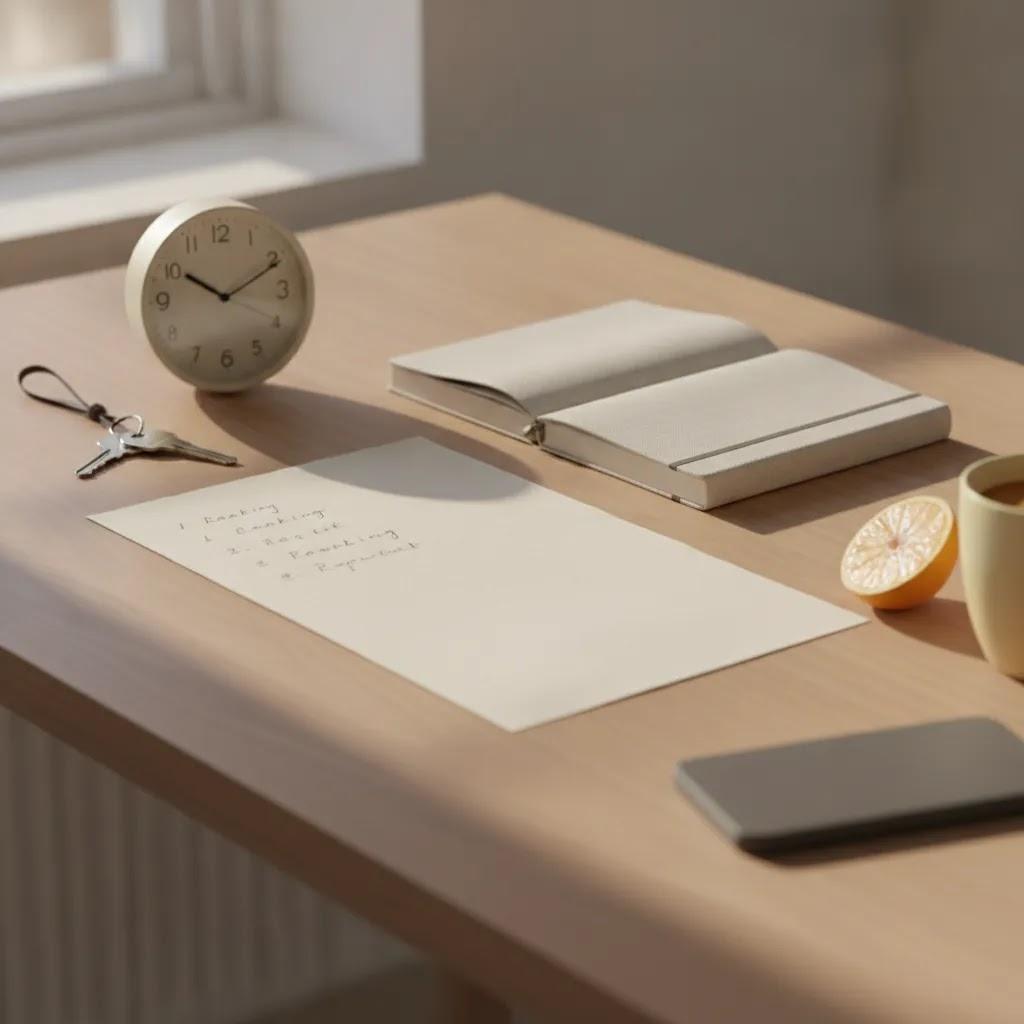
Learn what stressors are, the 4 main types, and how to rank your personal triggers with a simple method that makes stress feel less random.
Art as therapy means using art-making to explore, express, and steady your inner experience in a gentle, non-clinical way.
Learn how to reduce anxiety with gentle, practical tools matched to mild, moderate, acute, and persistent anxiety levels.

Learn how to reduce stress with simple daily techniques, quick body resets, and gentle routines that help you feel steadier every day.
Art therapy benefits for seniors may include better focus, memory cues, social connection, gentler communication, and a renewed sense of purpose.
Learn how an art therapist supports emotional expression, what training matters, and how to choose a safe, good-fit provider.
Explore art therapy benefits across ages and conditions, from emotional expression and stress relief to connection, reflection, and agency.
Art therapy vs counselling: compare methods, benefits, limits, and how to choose the support style that feels right for you.

Expressive arts therapy tool review and guide for choosing simple, supportive materials, prompts, and digital options that feel easier to start.
Is art therapy effective? Research suggests it may help with stress, emotional expression, coping, and well-being, though results vary.
Art therapy benefits for autism may include easier communication, sensory regulation, and more choice. Learn how this gentle support can help.
Is art therapy worth it? Learn how to weigh cost, value, fit, risks, and alternatives so you can decide what kind of support makes sense for you.
Discover mandala art therapy benefits, including stress relief, focus, emotional containment, and self-reflection, backed by research.
Mental health apps for teens ranked for privacy, ease, and real use. Compare art-based, journaling, AI, and free support options.
Explore the types of expressive arts therapy, from music and movement to writing and visual art, plus how sessions work and how to choose.
What is art therapy? Learn the definition, origins, how it works, and how it differs from art classes, crafts, and creative self-care.
Mental health apps for kids can support calm, privacy, and emotional expression at home. Compare 5 safe picks, plus setup tips and FAQs.
Explore art therapy benefits for students, including emotional regulation, focus, peer connection, and confidence in school settings.
We rounded up eight research-backed art therapy benefits articles, with honest notes on what the evidence actually shows and where it still falls short.
Expressive arts therapy uses art, movement, music, writing, and more to help you explore emotions, stress, and inner experience beyond words.
Explore the benefits of art therapy for children with autism, including communication, regulation, and social engagement in structured support.
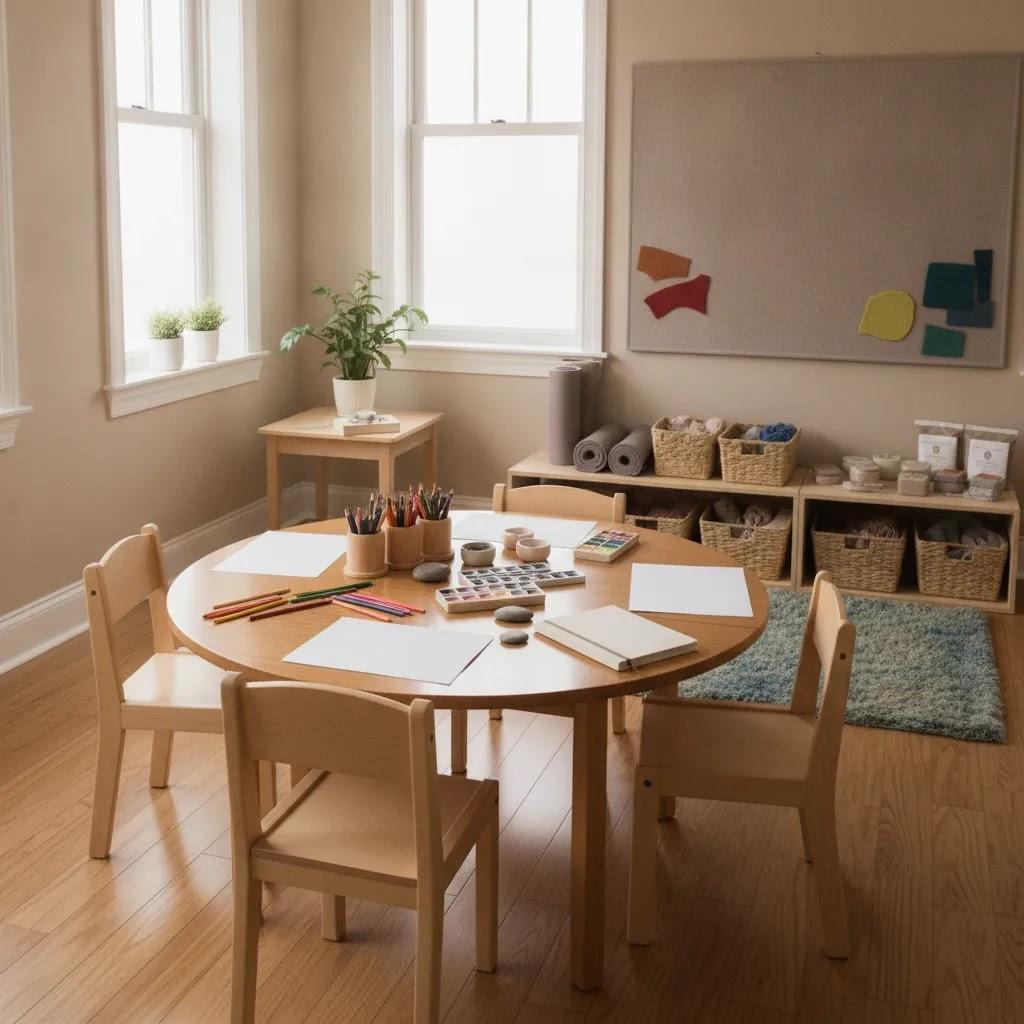
Expressive arts therapy in schools can support regulation, reflection, and student wellness. Learn planning, staffing, safety, and session basics.
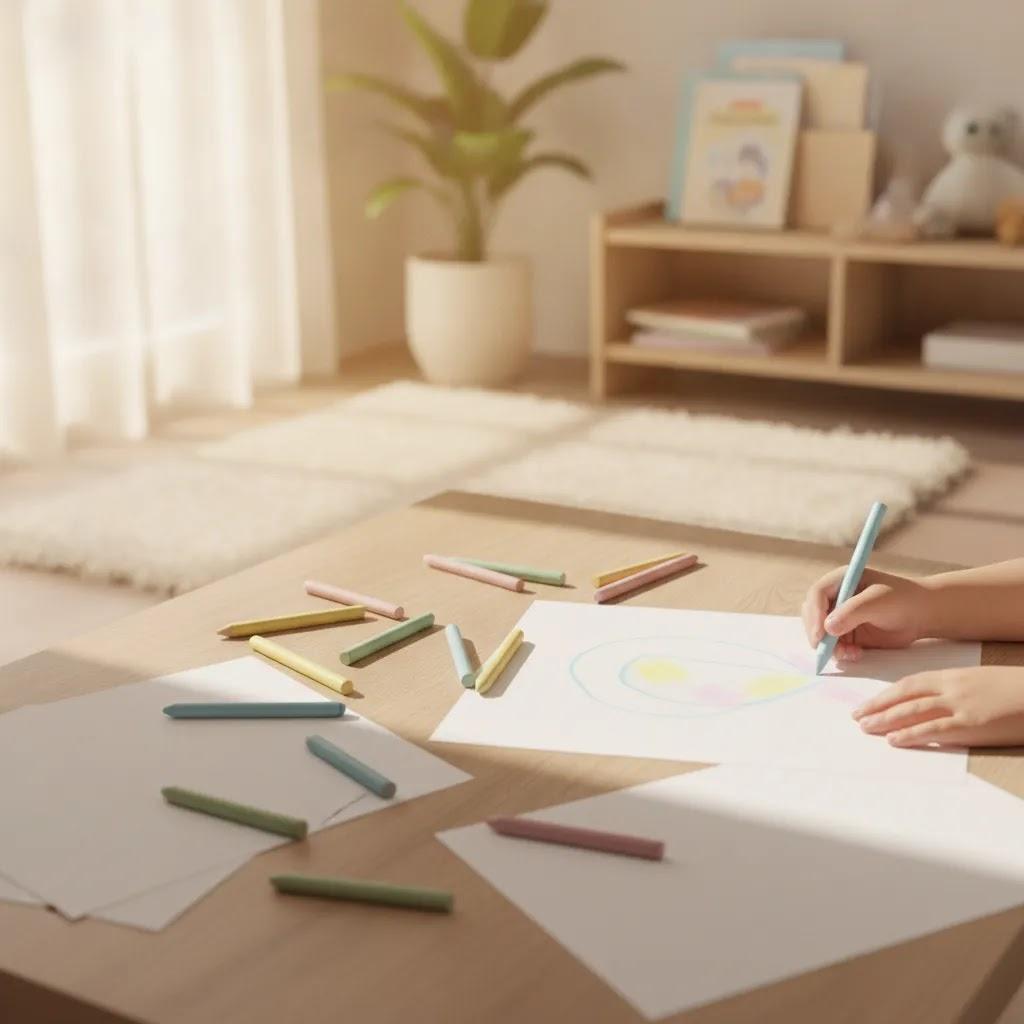
Art therapy benefits for kids can include calmer behavior, emotional expression, confidence, connection, and visible growth over time.
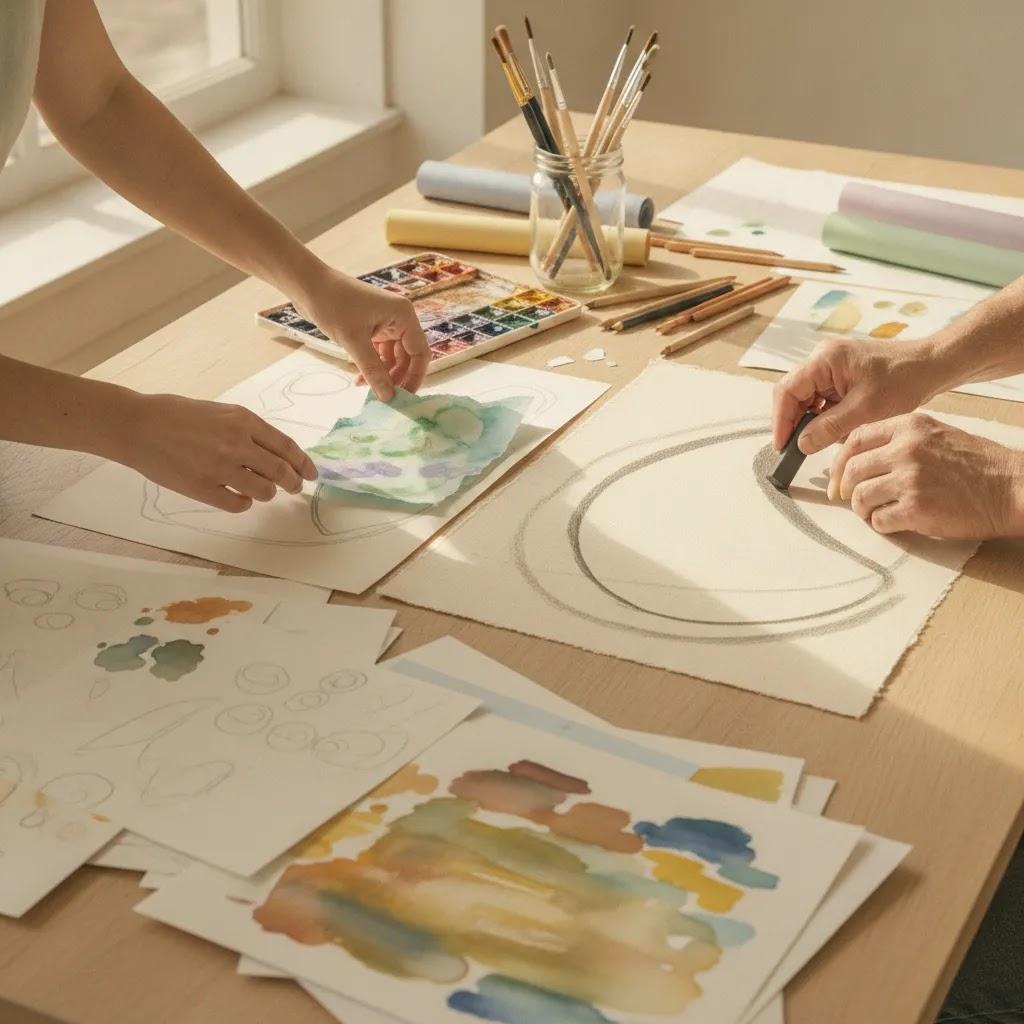
Expressive art therapy explained: what it is, its core principles, what sessions include, who it’s for, and how it differs from art classes.
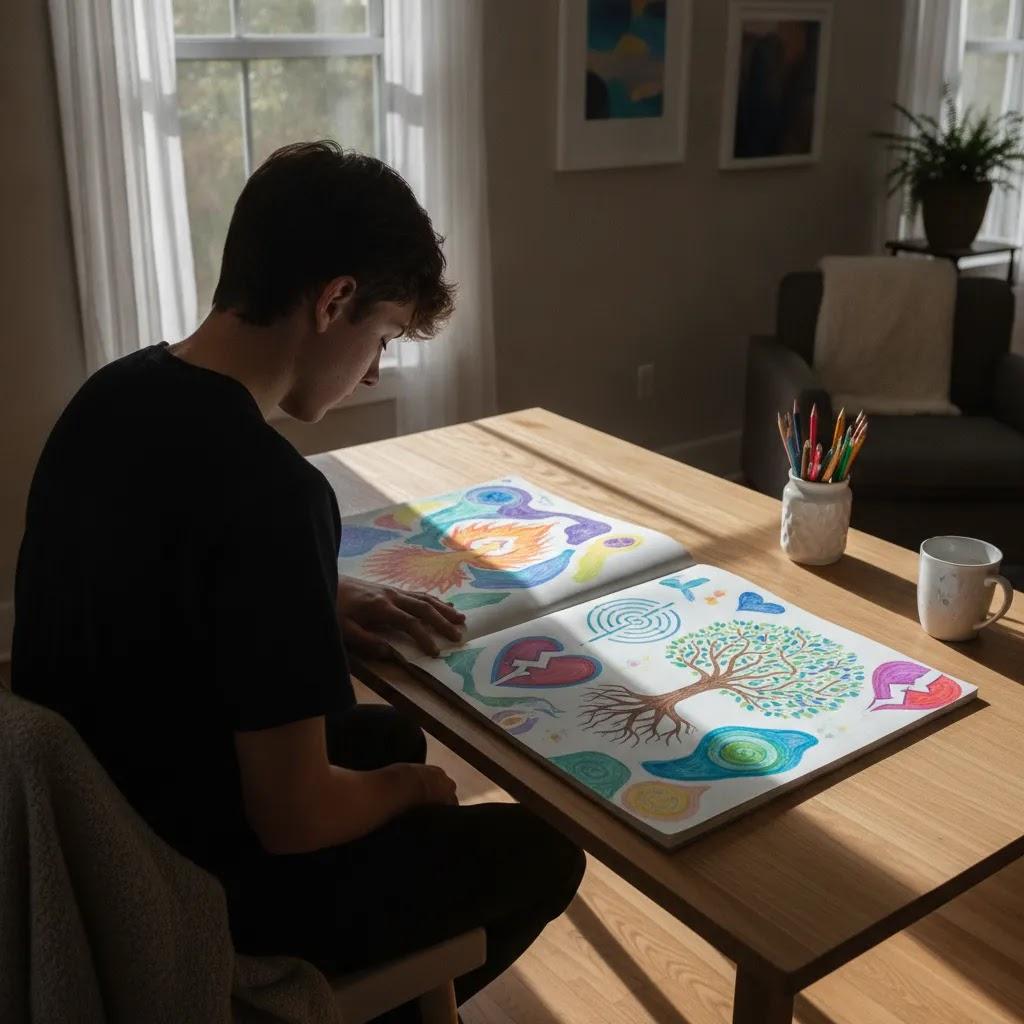
Explore the benefits of art therapy for teens, from identity-building to emotional resilience, with 5 clear ways creative support can help.
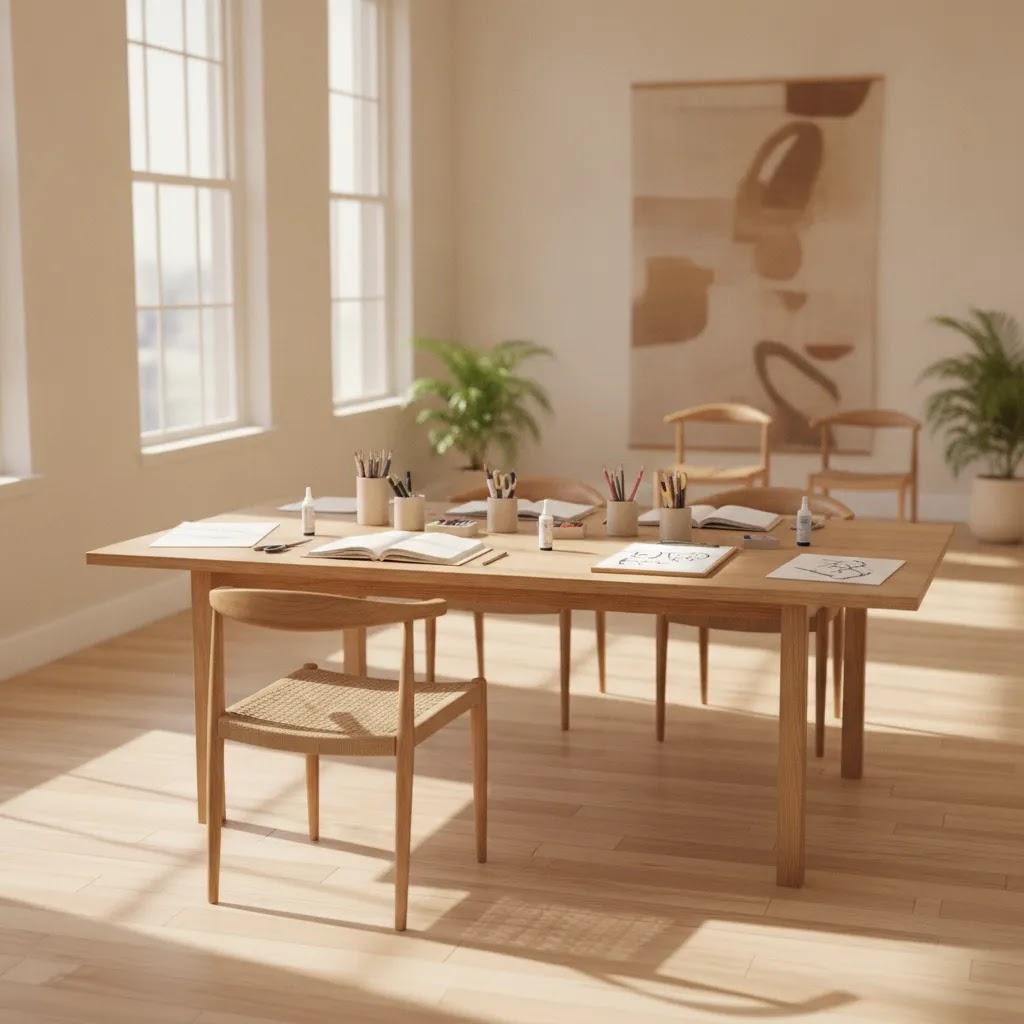
Plan an expressive arts therapy workshop with clear goals, safe pacing, simple materials, and a thoughtful closing for beginners.
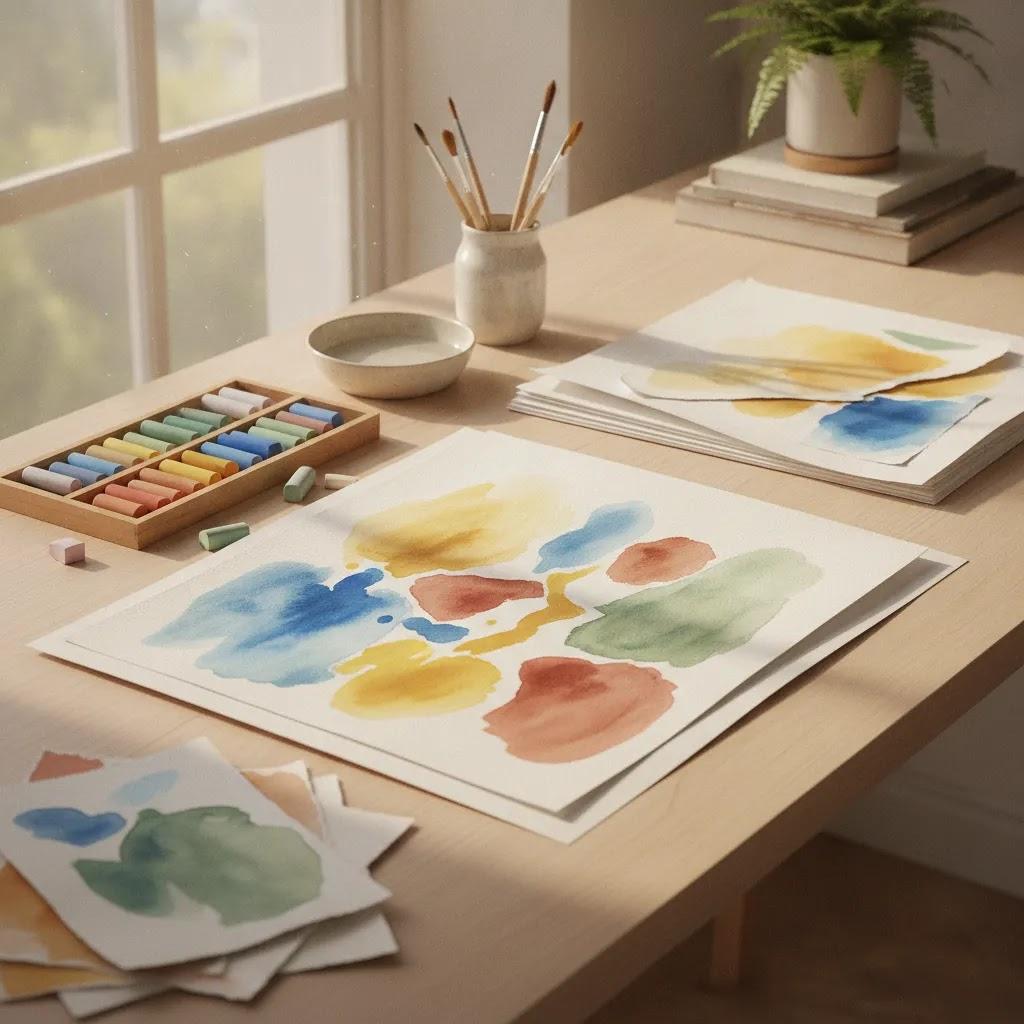
Explore expressive art therapy benefits for emotional expression, regulation, and reflection when words feel hard to reach.
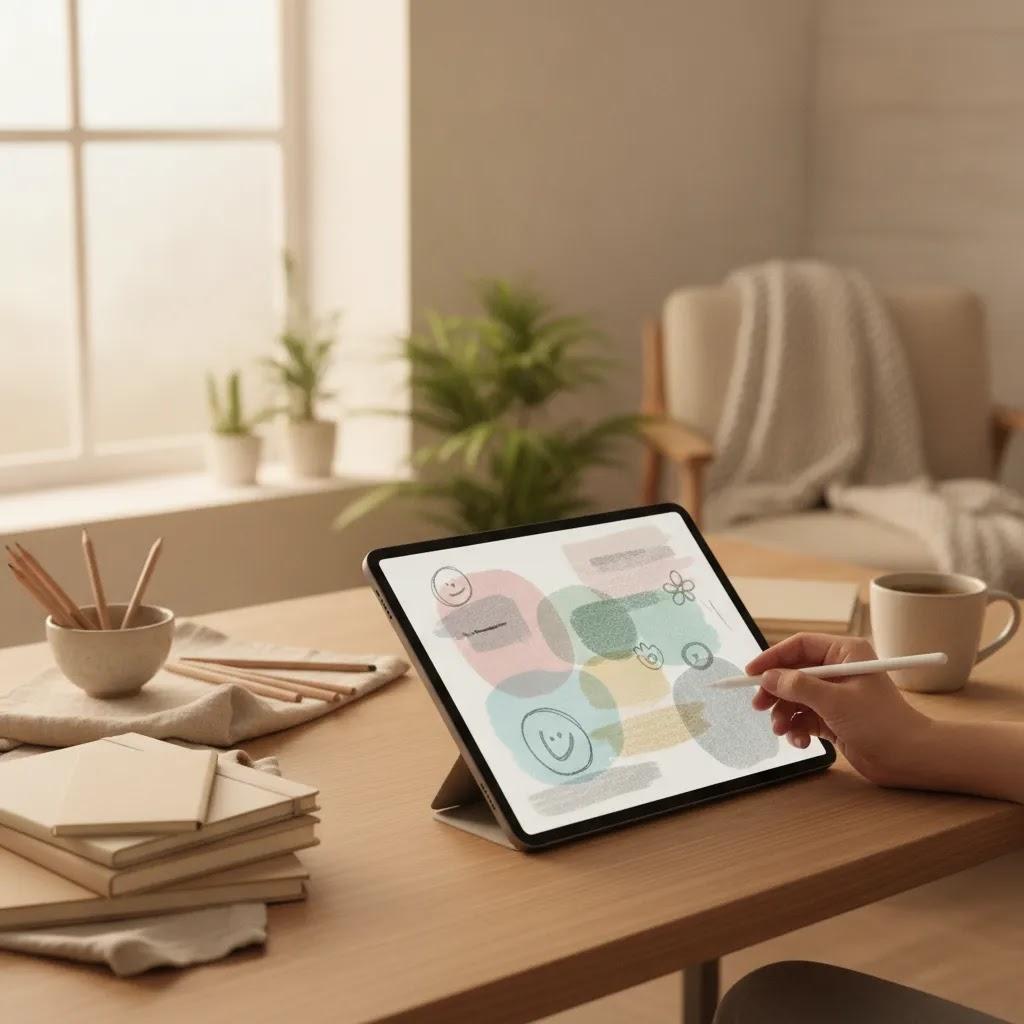
Explore digital art therapy activities for grounding, expression, and reflection, with beginner-friendly ideas, setup tips, pros and cons, and FAQs.
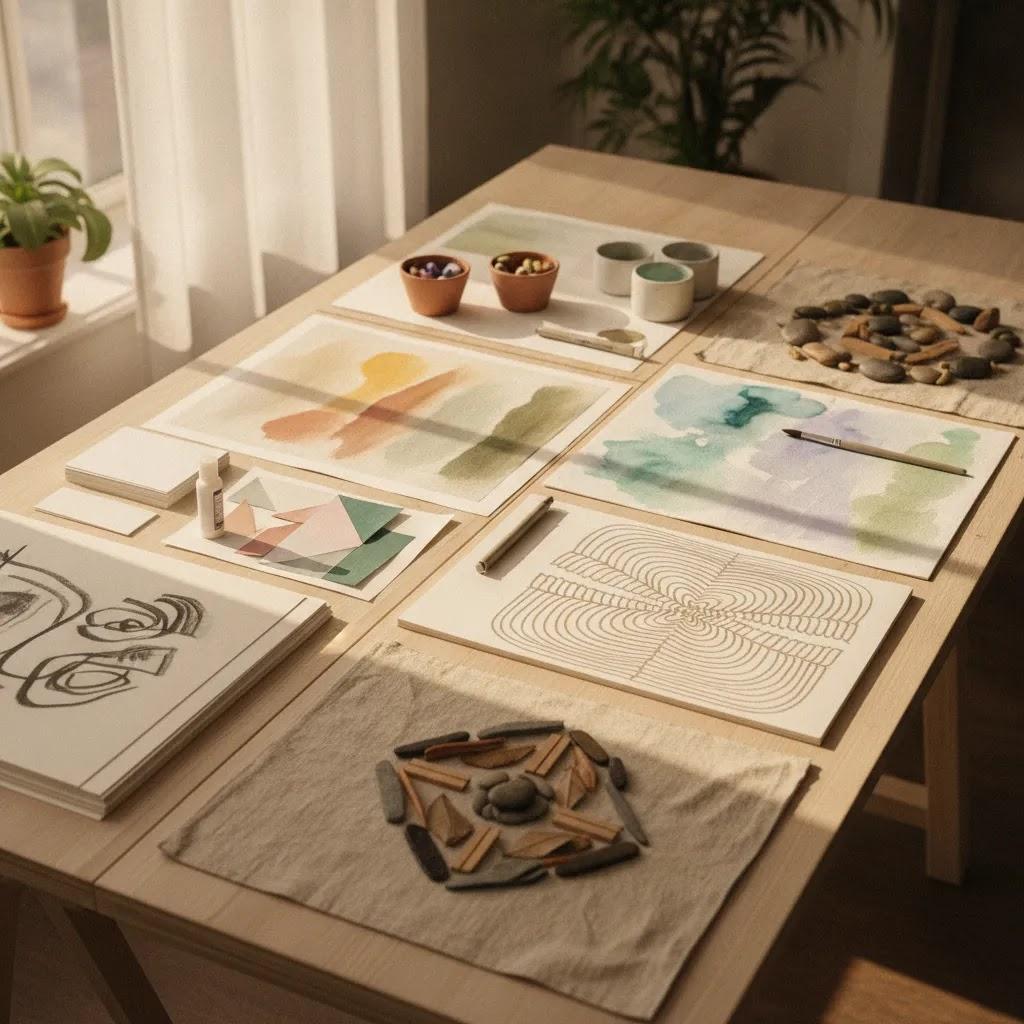
Art therapy approaches can support regulation, insight, or identity work. Compare 6 common approaches and when each may fit best.
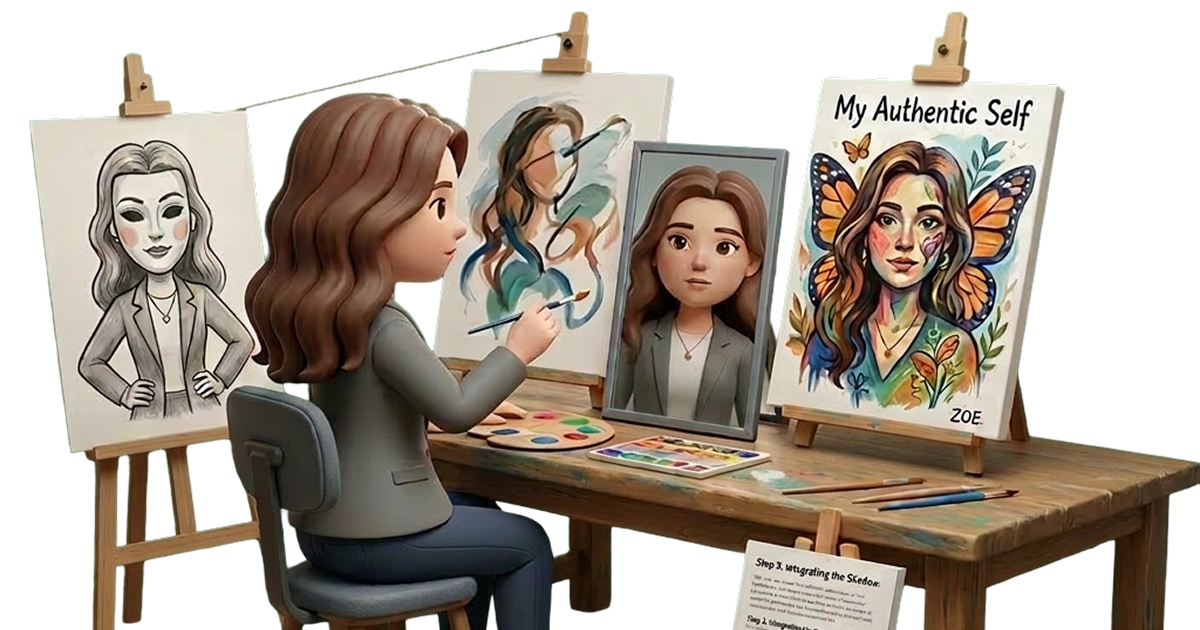
This white paper explains how the ten-exercise sequence “Discover Your Authentic Self on Daily Lemons” works as a progressive, art-therapy-informed pathway from recognition of the false self toward integration of the authentic self. It also describes how the sequence uses Daily Lemons’ six therapeutic pathways: emotional expression and containment, mindful embodiment, cognitive insight and identity work, trauma and resilience, creativity and mastery, and connection/co-regulation. The sequence is not about forcing a user to “find the real self” in one breakthrough. Instead, it creates a structured visual journey: first seeing the masks, then understanding where they came from, then meeting what was hidden, grieving what was lost, reclaiming disowned parts, and finally integrating the whole self into a coherent visual map.
Explore art therapy services in Singapore with a gentle hub on costs, providers, affordable options, mindfulness, meditation, and support.
A practical guide to art therapy in Singapore: sessions, provider types, typical costs, how to choose a provider, and credentials.

Learn how to find a qualified art therapist in Singapore in 2026, including credentials to verify, red flags, pricing, and FAQs.
Free art therapy in Singapore may exist via selective programs and referrals. Learn eligibility, typical costs, and budgeting tips.
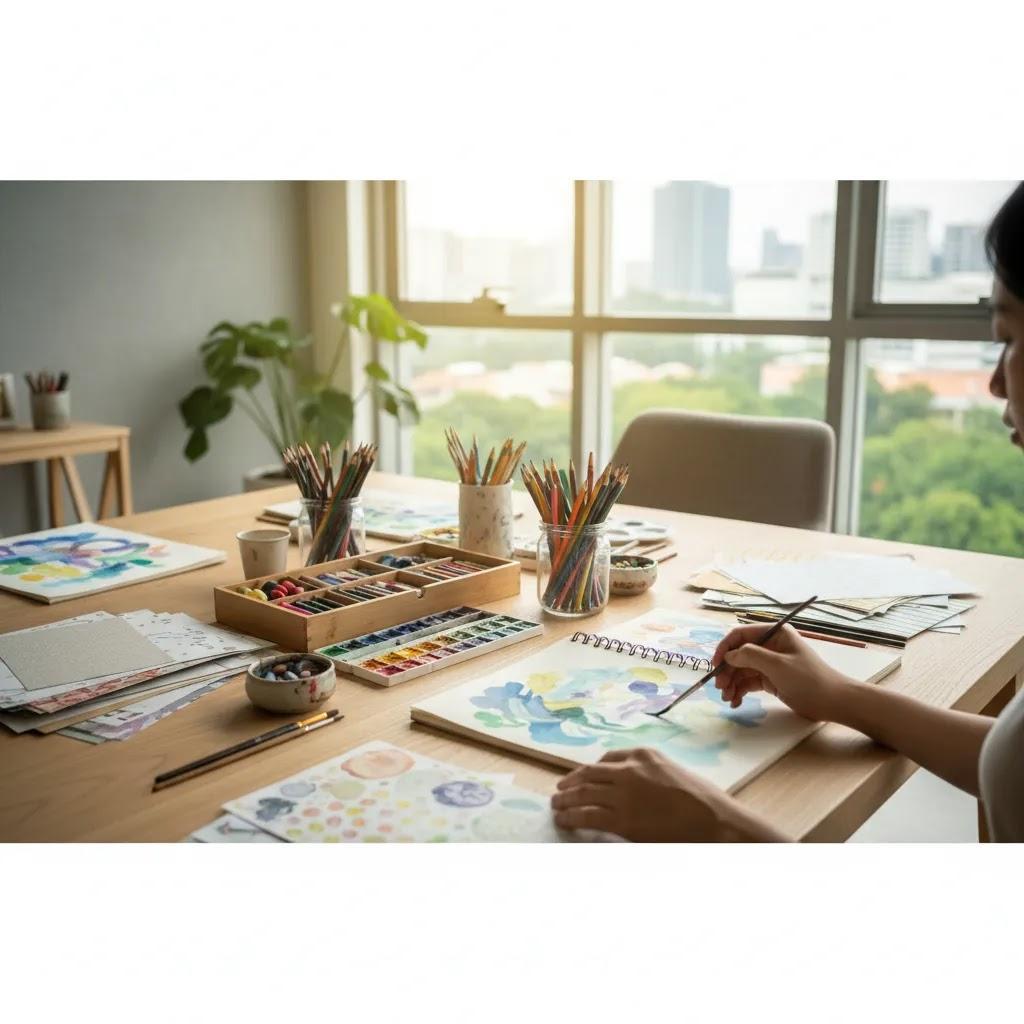
Adult art therapy in Singapore explained: what sessions are like, common formats, typical costs, how to choose a therapist, and FAQs.

Explore what Singapore’s art therapy growth signals may reveal about demand, access, cost pressure, credentials, and data limits in 2026.
2026 guide to affordable art therapy in Singapore: typical $20–$100 session costs, low-cost formats, trade-offs, and tips.
Art therapy costs in Singapore typically run $120–$280 per private session. Compare group vs. individual pricing, tiers, and hidden fees.

What Reddit feedback reveals about art therapy in Singapore: fit, cost, credentials, groups vs 1:1, and how to read threads calmly.
Explore four mental health support pathways in Singapore: public care, private therapy, school/community help, and creative or digital options.
A plain-English guide to Singapore mental health study findings, what key numbers mean, age patterns, stress factors, and how to read surveys carefully.

Learn common youth mental health warning signs for Singapore parents, what may drive distress, and where to start for support or urgent help.
Explore common mental health concerns in Singapore by age and life stage, plus practical first steps for support and care pathways in 2026.
Explore meditation in Singapore in 2026: where to go, styles, how classes vs studios vs retreats differ, costs, and what to check.
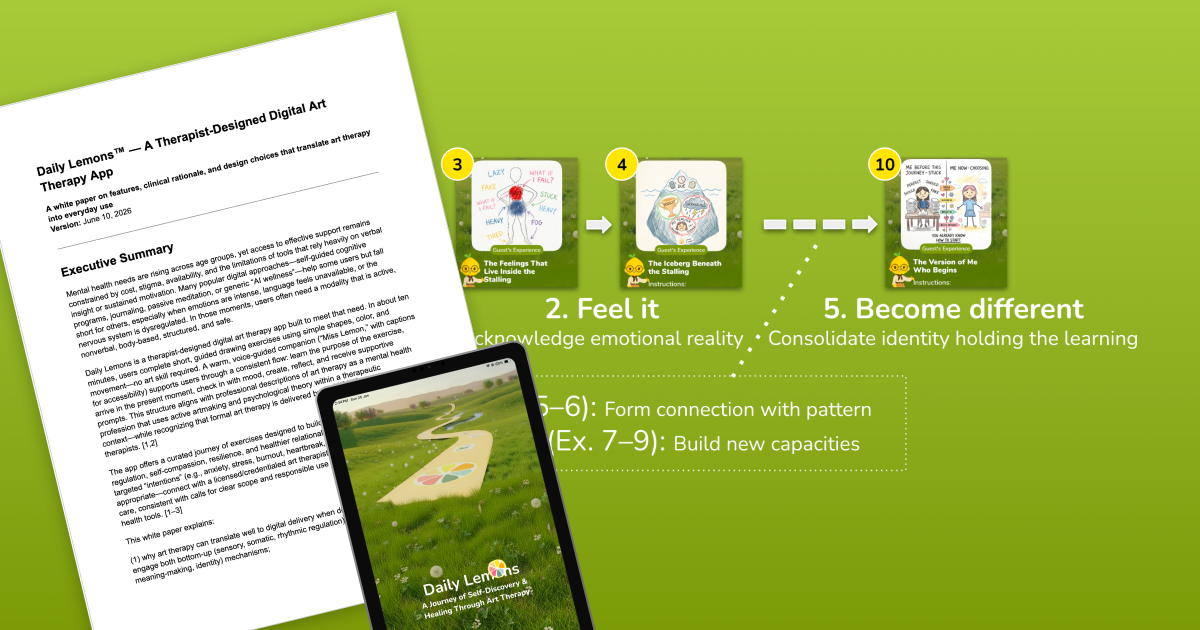
This paper examines the design choices behind Daily Lemons™, a therapist-designed digital art therapy app created to make art-therapy-informed support accessible and effective in everyday digital use. It explores how guided structure, short sessions, nonverbal creation, trauma-informed pacing, user-led reflection, privacy safeguards, and optional therapist connection translate core art therapy mechanisms into a practical app experience.
Explore why stress in Singapore feels so intense—work, school, family duty, housing costs, social comparison—and what may help.
Explore mental wellness support in Singapore beyond therapy, including community groups, creative practices, digital tools, schools, workplaces, and hotlines.
A practical review of mindfulness courses in Singapore—compare formats, pricing, course types, safety checks, and how to choose the best fit.

Beginner-friendly guide to eight stress relief activities in Singapore, plus tips, a comparison table, and FAQs to choose what fits your week.

Job stress singapore explained simply: common triggers, warning signs, employer programs, and how to tell if workplace support really helps.

Stress levels in Singapore vary by age, work, and caregiving. See the key patterns, what surveys measure, and how to read the data clearly.
Depression Singapore support options today: where to start, public and private care, medication, urgent help, and gentle next steps.
Explore grief therapy Singapore options, from counselors to support groups, with gentle tips on fit, cost, and safe first steps.
Explore art therapy fundamentals with a clear overview of theory, benefits, life-stage guidance, and digital tools, plus answers to common questions.
Explore the benefits of art therapy for adults, from stress relief and emotional expression to trauma support, with realistic evidence-based insights.
Learn about the benefits of art therapy and how they can support children differently than adults—through play, regulation, development & nonverbal expression.

A grounded 2026 guide to art therapy for teens: what it is, how sessions work, teen-friendly prompts, benefits, limits, and how to choose.
Work stress Singapore can feel draining and hard to name. Learn the signs, simple coping steps, burnout warnings, and when to seek support.
Learn how art therapy for depression works, what sessions can include, common techniques, research findings, and gentle ways to get started.
Explore art therapy for anxiety, including gentle techniques, beginner tips, and what current evidence suggests about how it may help.
Age-based guide to art therapy for children (ages 3–17): sessions, materials, realistic outcomes, provider questions, and FAQs.
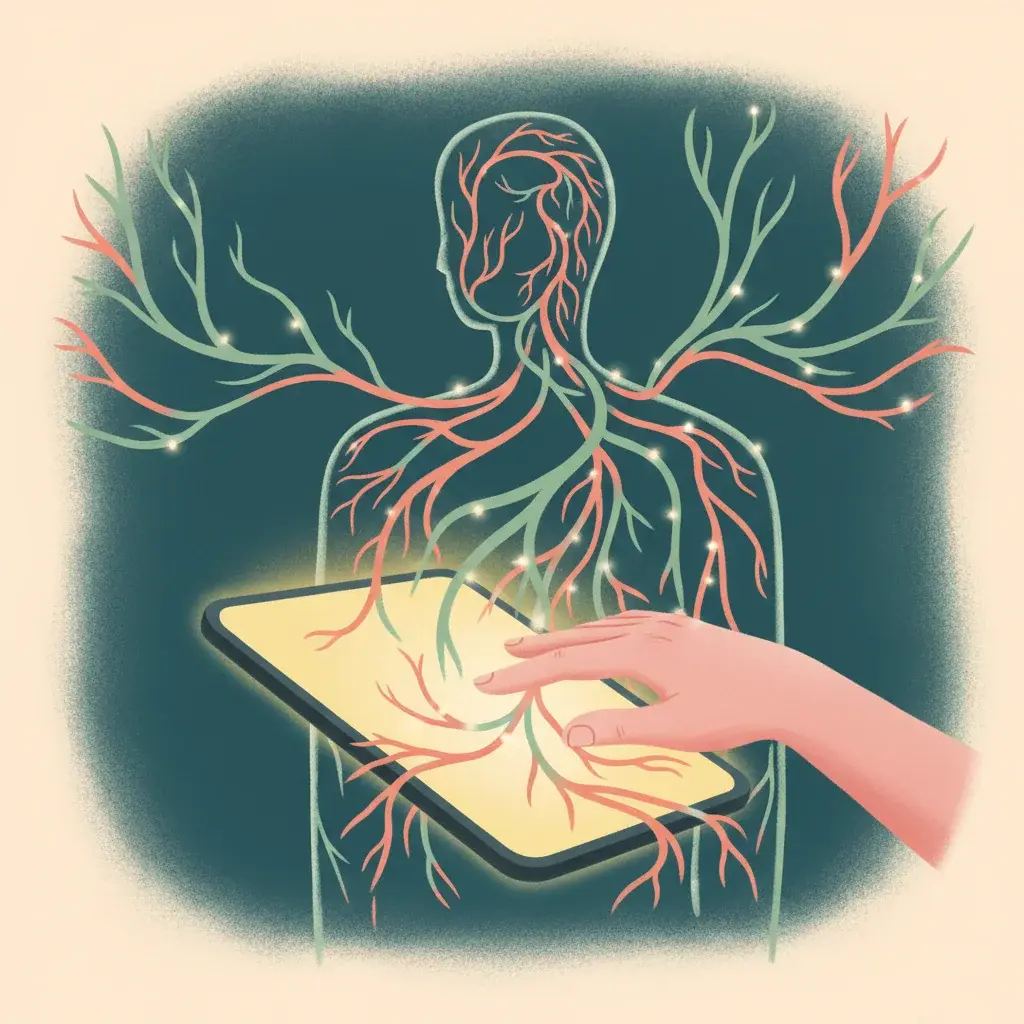
He's tried everything. The breathing app that tells him to inhale for four counts and exhale for six. The CBT worksheet that asks him to identify the "cognitive distortion" in his thinking. The positive affirmations taped to his bathroom mirror. N...
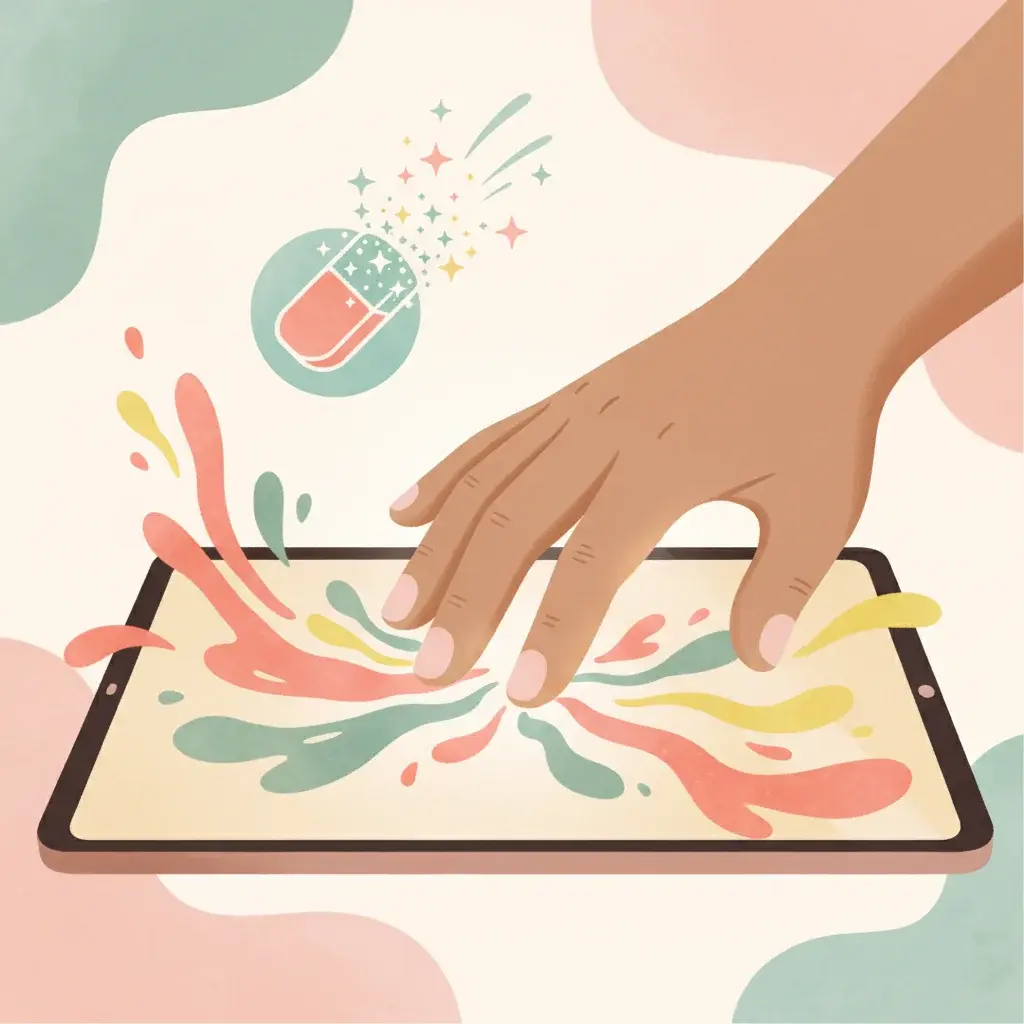
She hasn't picked up a paintbrush since the third grade. That was the year her teacher held up her painting of a tree and said, in front of the whole class, "That doesn't really look like a tree, does it?" She's 34 now. A project manager. Good at ...
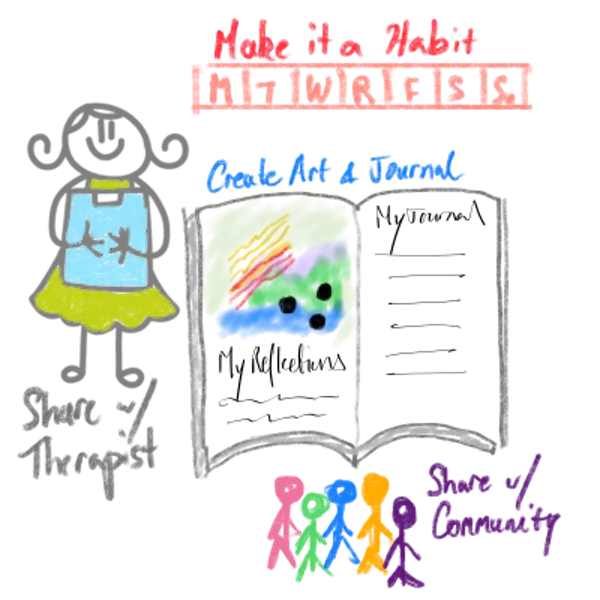
Art therapy, a creative and expressive approach to healing, offers a powerful way to process emotions, reduce stress, and improve mental well-being. Whether you're an experienced artist or someone who has never picked up a paintbrush, incorporating art therapy into your routine can profoundly enhance your emotional health.
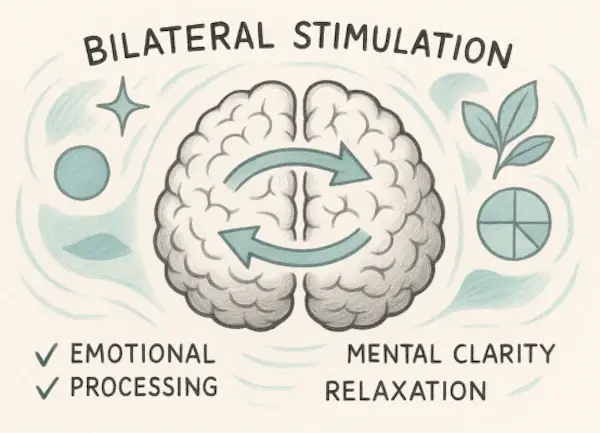
Art therapy, utilizing bilateral stimulation, offers a transformative approach to healing trauma by engaging both brain hemispheres. It allows individuals to process traumatic memories through symbols and artistic expressions.
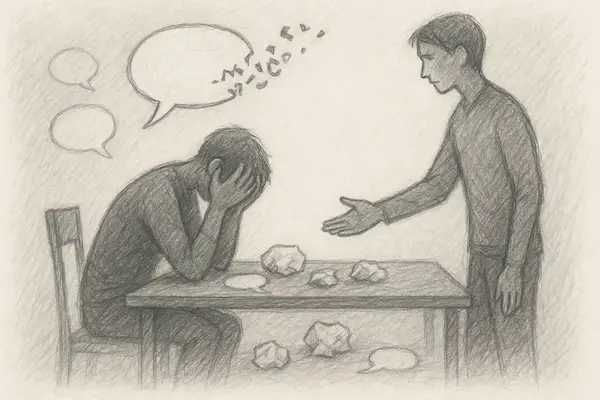
Post-traumatic stress disorder presents significant challenges in therapeutic settings, often defying conventional treatments like talk therapy. Bottom-up therapies provide a promising alternative by targeting the body's natural healing processes.
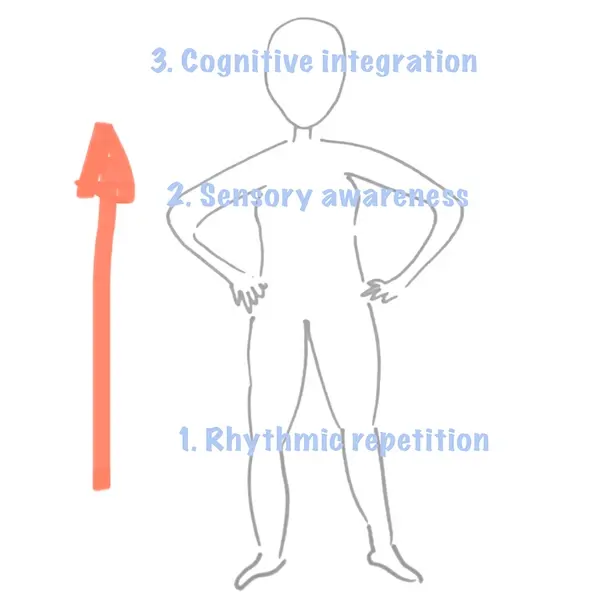
The bottom-up approach in art therapy focuses on healing through sensory and emotional experiences rather than verbal or cognitive processes. This approach is grounded in neuroscience and is particularly useful for individuals who have experienced trauma.
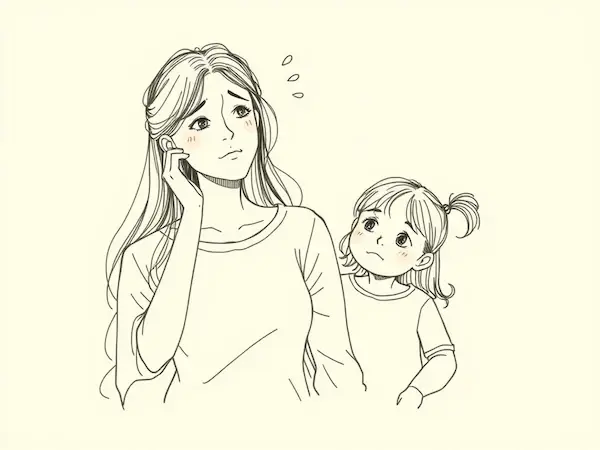
Art therapy serves as a valuable intervention for children who struggle with socialization, anxiety or depression. It provides a safe, non-threatening environment where they can explore their emotions and build confidence.
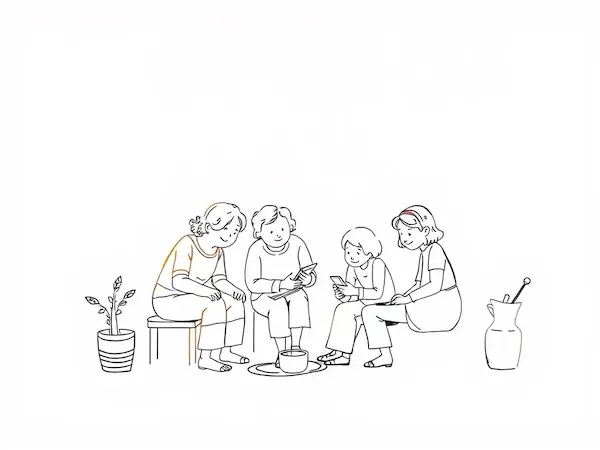
Art therapy, originating in ancient times, formally emerged in the mid-20th century. It has grown significantly, utilized in various settings including hospitals, schools, mental health clinics, and prisons worldwide.
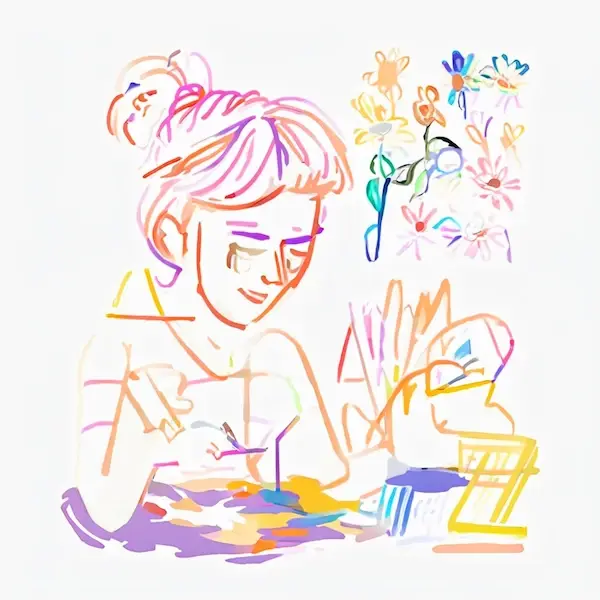
Art therapy has evolved from a child-centric approach to an effective mental health treatment for adults facing anxiety and depression. This article examines the specific application and benefits of art therapy for adults.
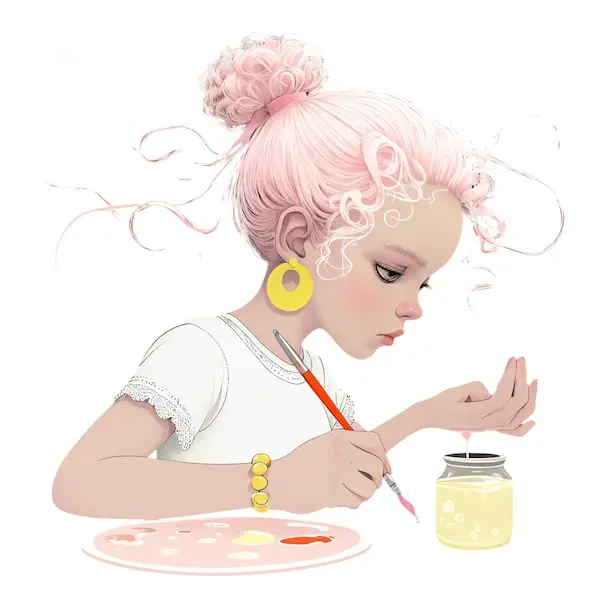
The article explores art therapy's effectiveness in diagnosing depression among youths, emphasizing its non-verbal approach that resonates with children's natural modes of expression.

Art therapy, particularly through drawing emotions as weather phenomena, helps individuals express complex feelings. This method lets users externalize, communicate, and reflect on their emotional experiences.
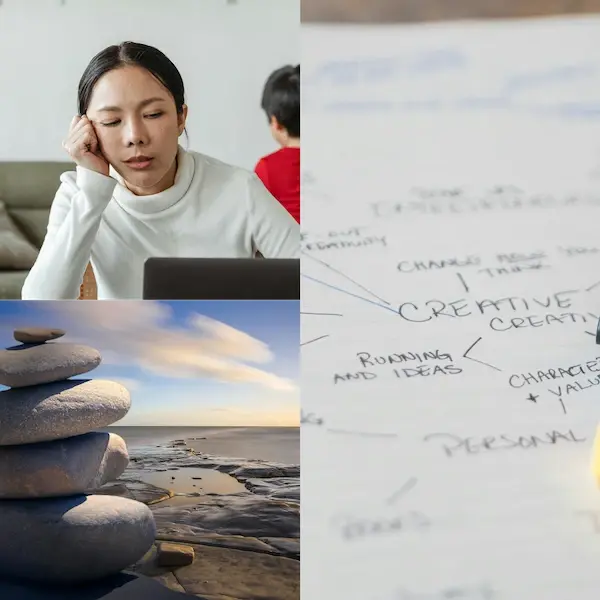
Mind mapping is an effective technique for reducing anxiety by enhancing cognitive clarity, managing overwhelming thoughts, and facilitating emotional expression through visual organization.
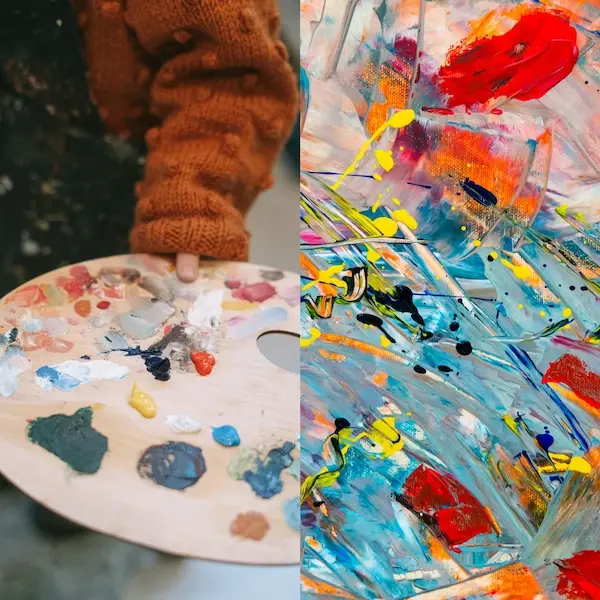
Both the creative process and the resulting artwork serve complementary roles in art therapy, enhancing self-awareness, fostering emotional resilience, and facilitating meaningful dialogues.
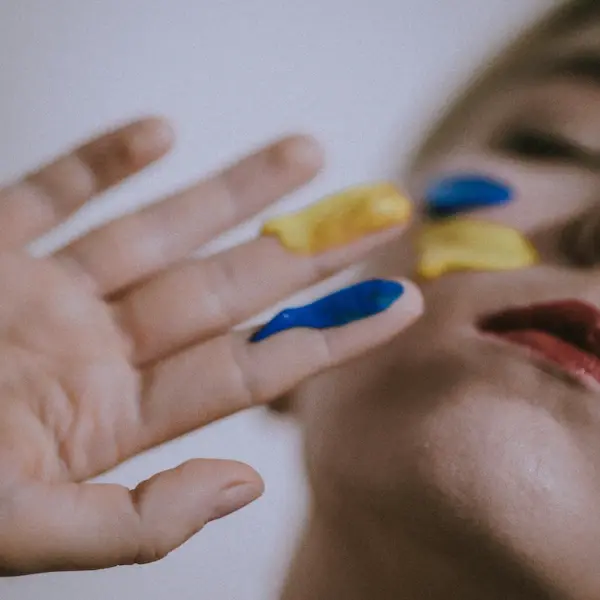
Sensory engagement in art therapy fosters emotional expression and exploration, allowing individuals to connect with feelings, thoughts, and memories. Combining traditional and digital art can enhance therapeutic benefits.
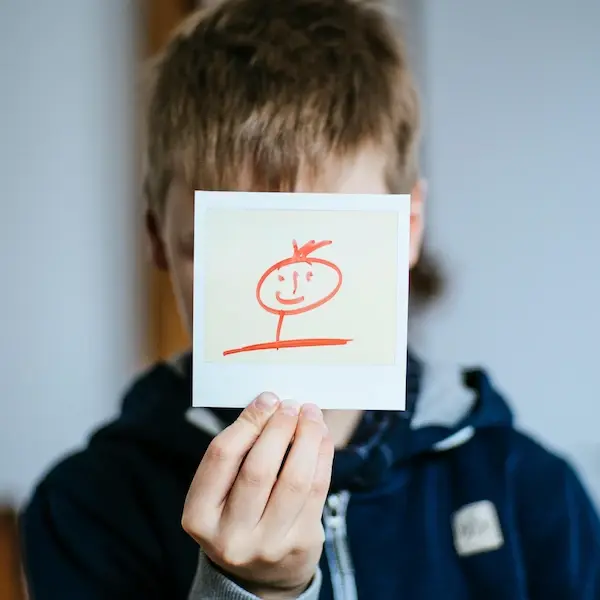
Art therapy isn't about being a professional artist. It's all about expressing yourself and exploring your feelings. No one's judging your skills—embrace the messiness and let yourself experiment.

In the aftermath of heartbreak, the author explores the healing power of art therapy to confront emotional turmoil. Initially seeking distraction, she discovers that creating art provides a channel for processing grief.
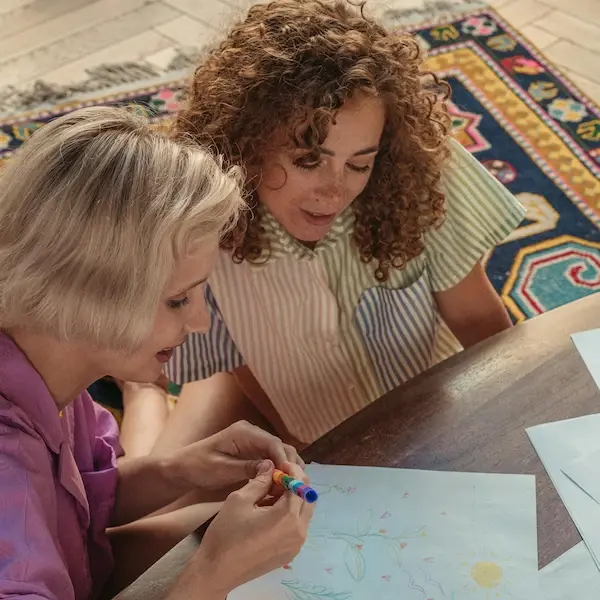
Partnering with an art therapist can take your personal journey to a whole new level with expert guidance. An art therapist helps you explore deeper meanings behind your creative choices and emotional landscapes.