Art Therapy Singapore Price (2026 Guide)
How much should you realistically expect to pay for art therapy in Singapore? For most private options, a useful starting range is $120 to $280 per session, with lower-cost group formats often starting around $40 to $90 per person and higher-tier specialist sessions rising above $300. The real difference usually comes from two things: the session format and the kind of provider you book. A solo session at a premium clinic is priced very differently from a community-style group or an entry-level private practice. This guide stays focused on that narrow but practical question. If you want the broader picture around art therapy singapore, you can explore that separately. Here, the goal is simpler: help you estimate cost, spot trade-offs, and choose a format that feels financially sustainable.
Price Snapshot by Session Format and Clinic Tier
The table below gives a realistic budgeting view in USD for easy comparison. Singapore providers may bill in SGD, and exchange rates can shift, so treat these as approximate planning figures rather than fixed quotes.
| Format / Tier | Typical Price | What Is Usually Included |
|---|---|---|
| Group session, community or entry-level provider | $40 to $90 | Shared session time, standard art materials, lighter individual attention |
| Group session, established private clinic | $90 to $160 | Smaller group, curated materials, more structured facilitation |
| Individual session, entry-level private practice | $120 to $180 | One-on-one time, basic materials, short assessment and guided creative work |
| Individual session, mid-tier clinic | $180 to $240 | Private room, tailored pacing, stronger administrative support, wider time options |
| Individual session, premium specialist clinic | $240 to $350+ | Senior practitioner access, niche populations, longer intake, more customized planning |
| Couples, family, or dyadic creative session | $180 to $320 | Multi-person facilitation, shared exercises, more complex session management |
How Pricing Usually Works in Singapore
Art therapy fees in Singapore are rarely just about the artwork itself. You are usually paying for therapist time, planning, materials, the clinic setting, and the level of specialization behind the session. A quiet, private studio in a central area often costs more than a basic room in a smaller practice.
Providers also package services differently. Some quote a single session fee. Others separate the first appointment from ongoing sessions, with a longer intake priced above the follow-up rate. Some include materials in the session fee, while others build them into workshop pricing or charge extra for premium supplies.
If you are comparing options, it helps to separate two questions. First, what format are you booking: group, individual, family, or workshop? Second, what tier of provider are you booking: community-based, independent private practice, or premium clinic? Those two variables explain a large share of the price spread.
If cost is only one part of your decision, you may also want to read about Art Therapy Singapore as a category and explore the broader Art Therapy Fundamentals topics before choosing.
What You Can Expect in a First Art Therapy Session (and What You Are Paying For)
Here’s the thing: many people try to judge the value of art therapy by imagining the “art time” only. In real sessions, the creative part is usually just one piece of the appointment. Understanding the typical first-session structure can make pricing feel less mysterious, especially when the first booking costs more than follow-ups.
While every practitioner has their own style, a first art therapy session in Singapore often includes:
- Arrival and orientation: a quick explanation of how the session works, what materials are available, and what happens with the artwork afterward.
- Intake questions: basic context about what brought you in, what you hope to get from sessions, and what feels difficult or sensitive right now.
- Goal and pacing check: a shared sense of what you want the sessions to feel like, for example gentle exploration, more structure, or a quieter, less verbal experience.
- A short creative exercise: sometimes open-ended, sometimes guided, often designed to help the therapist understand how you respond to the process.
- Closing debrief: a few minutes to reflect on what came up, what felt okay or not okay, and what a next session could look like.
From a practical standpoint, first sessions may cost more because they can be longer, more admin-heavy, or include more planning. Some clinics treat the first appointment as an “intake session” that sets up the rest of your work together. Others keep it the same length and price as a regular session.
Materials are usually handled in a straightforward way for individual sessions. Basic supplies like paper, pens, markers, and collage materials are often included in the session fee. A separate materials fee is more likely if you are booking a workshop, a themed group series, or specialized media that is expensive to restock. If you see a materials add-on, it is reasonable to ask what is included and whether any items are take-home or only used in-session.
If you already know what you want, you can also ask a simple preference question before you book: do you want less talking, more structure, or a more open-ended process? Different therapists lean different ways, and perceived value can shift depending on what you personally find supportive. A highly structured session can feel “worth more” if you want guidance, while a spacious, less directed session can feel “worth more” if you want room to move at your own pace.
What Moves the Price Up or Down
Session format
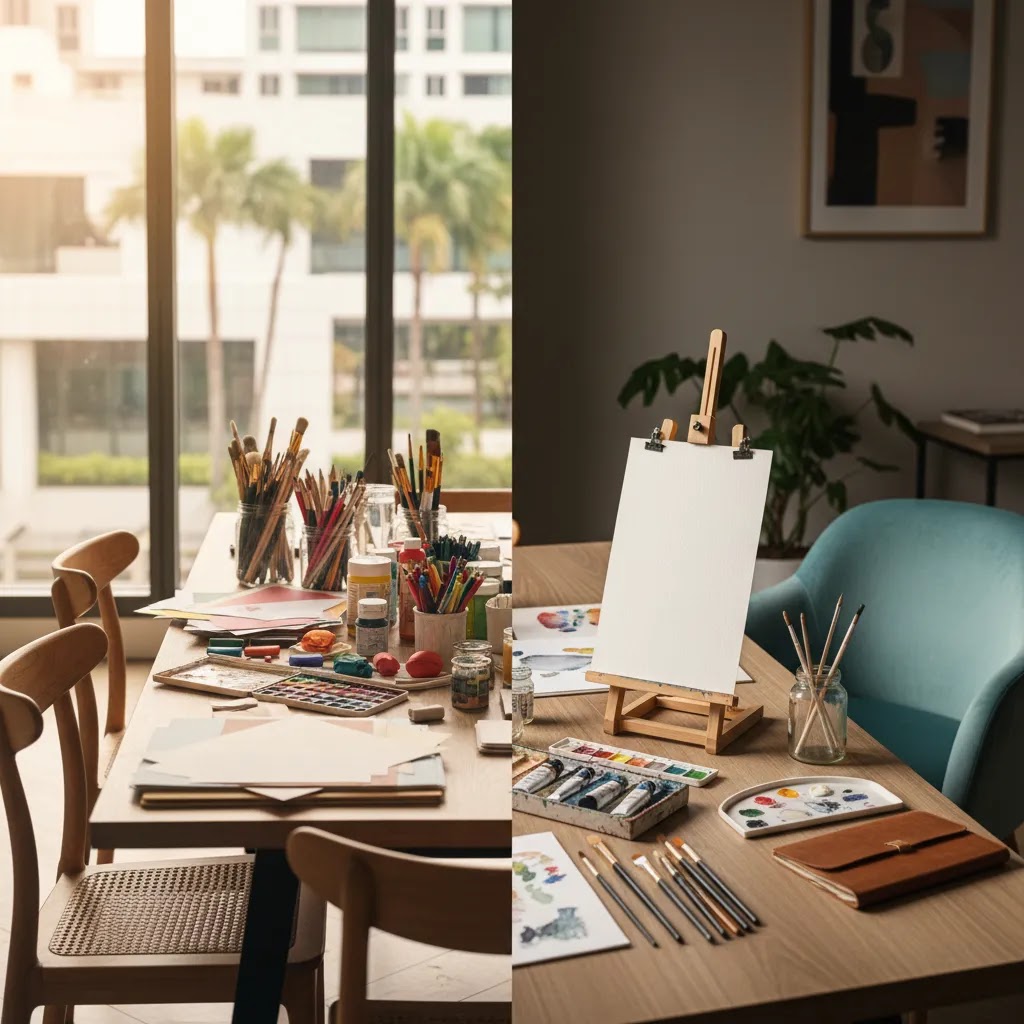
Private one-on-one work usually costs more per hour than shared formats because the therapist's full attention is reserved for you. Group sessions reduce the per-person price, but they may feel less flexible if you want a highly personalized pace.
Clinic tier and setting
A solo practitioner renting a modest space may charge much less than a premium clinic with central-location rent, front-desk staff, polished facilities, and wider scheduling coverage. The higher fee does not automatically mean better fit. It may simply reflect overhead and positioning.
Therapist experience and specialization
Fees often rise when a practitioner works with a specific age group, more complex emotional histories, or niche concerns such as family work, neurodivergent support, or trauma-informed creative care. If you are still checking credentials, our guide to art therapist singapore options can help with screening.
Length of session
A 50-minute session and a 90-minute session should not be treated as the same value. Some higher-fee listings look expensive until you notice the appointment is significantly longer or includes more prep and debrief time.
Materials and modality
Basic drawing and collage supplies are often included. Specialized media, take-home packs, or workshop-specific materials can increase the overall spend. This matters more in group programs and themed courses than in simple recurring sessions.
Referral route and subsidy access
Some people may be eligible for lower-cost routes through schools, hospitals, charities, or community programs. If budget pressure is the main issue, it may be worth reviewing free art therapy singapore pathways alongside private options.
Art Therapist Credentials in Singapore (and Why They Affect Price)
What many people overlook is that “art therapy” can describe very different types of services, delivered by people with very different training backgrounds. This is one of the biggest reasons pricing can feel inconsistent. Two listings may look similar, but the provider’s training route and professional boundaries may be very different.
In Singapore, you may see art therapists who reference membership, registration, or training standards connected to professional associations such as the Art Therapists’ Association Singapore (ATAS) and the Australian, New Zealand and Asian Creative Arts Therapies Association (ANZACATA). These are not government regulators, but they are often used as signals of professional training expectations, ethics, and continuing development in the region.
Now, when it comes to why credentials can raise price, it is usually about time and specialization. A therapist with graduate-level training, supervised clinical hours, and ongoing professional development is often pricing in:
- Longer training pathways, often at the master’s level
- Supervision and clinical oversight requirements
- Ongoing professional development costs and ethical membership obligations
- Experience working with more complex presentations, which typically requires more preparation and more careful session boundaries
If you are paying premium rates, it is reasonable to do a quick credential screen first. A simple checklist you can use before booking is:
- Does the provider clearly state their training route, for example a relevant graduate degree or recognized art therapy qualification?
- Do they mention supervised practice hours or clinical supervision arrangements?
- Do they share whether they are a member of a relevant professional association, and what membership level they hold?
- Do they describe their scope and boundaries, including what they do and do not offer?
- Do they show evidence of ongoing professional development, for example trainings, workshops, or supervision, without inflating it into a sales pitch?
A gentle warning: some offerings are best understood as art workshops, creative facilitation, or reflective wellness sessions rather than art therapy delivered by a credentialed art therapist. That is not “bad,” and it may be exactly what you want. The difference often shows up in session boundaries, intake depth, confidentiality practices, and how the facilitator handles emotional intensity in the room. It can also show up in price. Workshops may be cheaper and lighter, while credentialed therapy sessions may cost more because they are designed to hold more complexity and to be repeated over time.
Detailed Cost Breakdown by Session Format
Individual sessions
Typical range: $120 to $350+
This is the broadest category because it includes small private practices and premium specialty clinics. Lower-priced individual sessions may be shorter, simpler, or offered by newer practitioners. Mid-range pricing often brings steadier admin support, clearer intake processes, and more appointment choice. Premium sessions can make sense if you need a very specific fit or prefer a highly private setting.
Group sessions
Typical range: $40 to $160 per person
Group formats can offer better budget efficiency, especially for first-time exploration. They may suit people who want structure and creative prompts without committing to the highest private-session costs. The trade-off is less individual attention and less room to move entirely at your own pace.
Workshops and short series
Typical range: $50 to $220 per event or multi-session package
These are often priced as themed experiences rather than ongoing care. They can be a gentler entry point if you feel unsure about weekly sessions. The downside is that they may not provide continuity, and some are better thought of as reflective wellness experiences than deeper therapeutic support.
Couples, parent-child, or family sessions
Typical range: $180 to $320
Costs rise because the therapist is managing more than one participant, more relational dynamics, and often more materials. These sessions may deliver better value than booking separate individual appointments if the main goal is shared communication or co-regulation.
School-linked or community program sessions
Typical range: free to about $80
These can be the lowest-cost route, but access may depend on referral rules, eligibility, age group, schedule limits, or program funding. They may be a practical first step if private fees feel out of reach.
Detailed Cost Breakdown by Provider Tier
Community and subsidized providers
Expected range: free to $80, sometimes higher for structured programs.
Best for: budget-sensitive access, first exploration, shorter-term or referral-based support.
Watch for: waiting periods, limited session frequency, stricter eligibility, and less choice over therapist match.
Independent private practices
Expected range: $120 to $200 for many standard sessions.
Best for: people who want a calmer, more personal setup without top-tier clinic pricing.
Watch for: variable admin quality, fewer evening slots, and policy differences around cancellations or intake fees.
Established multidisciplinary clinics
Expected range: $180 to $280.
Best for: those who value smoother booking systems, clearer documentation, and access to a broader care environment.
Watch for: higher overhead reflected in pricing, which may or may not change the actual fit of the session itself.
Premium specialist clinics
Expected range: $240 to $350+.
Best for: clients seeking very specific experience, senior-level clinicians, or a highly curated private setting.
Watch for: paying for prestige, location, or extra polish rather than a meaningful difference in your personal outcome.
Real-World Fee Policies That Change Your Total Cost
Consider this: two providers can quote the same session fee, but your total cost can still end up different depending on clinic policies. These details tend to be easy to miss when you are focused on finding a therapist you feel comfortable with, but they matter for budgeting.
Common fee policy items to confirm before you book include:
- GST: some providers may add GST on top of the listed price, while others display an all-in figure. If the number matters to you, ask whether the fee is inclusive of GST.
- Payment timing: some clinics take payment after the session, others require prepayment to confirm the slot. You may see common payment methods such as PayNow or card payment links.
- Packages and what happens if plans change: package discounts can help, but policies vary on whether sessions expire, whether they are refundable, and whether you can transfer them to another service type.
Cancellation and rescheduling rules can also change the real cost, especially if your schedule is unpredictable. Many clinics use a cancellation window such as 24 to 48 hours. If you cancel after that, you may be charged a late fee or the full session fee. No-show policies can be stricter. Before you prepay or commit to a package, confirm:
- How many hours notice is required to reschedule without charge
- Whether the fee is partial or full for late cancellations
- How no-shows are handled
- Whether exceptions are ever made, and how they are decided
One more detail that affects value: session length and extensions. Some providers quote 45 to 50 minutes as a standard “hour,” while others offer 60 minutes, 75 minutes, or 90 minutes. Some clinics may allow session extensions that are billed in small blocks, for example 15-minute increments. If you are comparing two prices, ask how many minutes are included, and what the extension rate would be if you need more time. It is one of the simplest ways to avoid paying premium rates for a shorter session without realizing it.
Pros and Cons
Strengths
- Singapore offers a fairly wide price spread, so there is often more than one entry point.
- Group formats can lower the cost enough for beginners to try art therapy without a large upfront commitment.
- Private practices may offer better value than premium clinics if you care more about therapist fit than clinic polish.
- Higher-priced clinics sometimes provide better logistics, including easier scheduling and clearer policies.
- Family and dyadic sessions may be cost-efficient compared with booking multiple separate appointments.
Considerations
- Prices can look similar on paper while offering very different session lengths and levels of personalization.
- Lower-cost programs may come with waiting lists, referral hurdles, or limited continuity.
- Premium pricing does not always mean the emotional fit will be better for you.
- Some people need several sessions to judge value, which can make the true total cost much higher than the first booking suggests.
Who This Pricing Guide Helps Most
This guide is for readers who are close to booking and want clearer numbers before they commit. It is especially useful if you are comparing private clinics against lower-cost programs, or trying to decide whether to start with a group, workshop, or individual format. If you are newer to this space, cost is only one piece. The benefits of art therapy for adults can help you think about the value side of the decision too, not just the fee itself.
A Calm Way to Compare Your Options
If you are narrowing down providers, it may help to compare them side by side instead of trying to hold every price, policy, and format in your head at once. DailyLemons is designed to support that slower decision process. You can compare options side by side, use our selector tool to sort by the kind of support you want, and read the full review material around related choices before booking. If you are weighing broad local options, start with our art therapy Singapore coverage, then check therapist-vetting guidance and lower-cost access routes. A good decision is rarely about the cheapest line item alone. It is often about what you can afford to continue, what feels safe enough to return to, and what kind of setting you are most likely to use consistently.
How to Choose the Right Price Point
1. Match the format to your actual goal
If you want a low-pressure first experience, a workshop or group may be enough. If privacy, pace, or deeper personal exploration matters most, individual sessions may justify the extra cost. A cheaper format is not always better value if it does not suit the reason you are going.
2. Compare session length, not just fee
A $150 session for 50 minutes and a $210 session for 90 minutes are different value propositions. Cost per session can be misleading. Cost per usable hour often gives a clearer picture.
3. Ask what the first appointment includes
Some clinics build assessment time into the first booking. Others use a standard session structure from day one. Ask whether materials, intake, brief notes, or follow-up recommendations are included, especially if the clinic sits in the mid-to-premium price range.
4. Budget for continuity, not only the first visit
If you may want four to eight sessions, multiply the expected fee now. A session that feels manageable once may become stressful if the ongoing cost strains your budget. Sustainable support is usually more helpful than choosing an option that feels financially tight after the first meeting.
5. Pay more only where the difference matters to you
Extra cost may be worth it for a therapist with a specific population focus, a better location for your routine, or scheduling that makes attendance realistic. It may not be worth it if the price increase mainly reflects branding, décor, or prestige.
How to save money on art therapy in Singapore
- Start with a group or workshop if you are still testing fit.
- Ask whether shorter sessions are available.
- Check for package pricing, but read expiry rules carefully.
- Explore school, hospital, or community referral routes if eligible.
- Choose a provider whose location reduces recurring travel costs.
When paying more can make sense
Paying more may be worthwhile if you need a specific age-group specialist, want a private setting with less sensory overwhelm, or need appointment flexibility that helps you actually attend. If the more expensive option removes enough friction that you can continue comfortably, the higher fee may still represent better value.
Frequently Asked Questions
What is the typical art therapy Singapore price for a private session?
Many private sessions fall between $120 and $280, with premium specialist clinics charging more. The final fee often depends on session length, therapist experience, and clinic positioning. Some first appointments may also be priced differently from follow-up sessions, so it helps to ask for both numbers before booking.
Are group art therapy sessions cheaper than individual sessions?
Usually, yes. Group sessions often range from about $40 to $160 per person, while individual sessions are commonly higher. The lower price comes with shared therapist attention and less flexibility. For some people, that trade-off is completely fine, especially when trying art therapy for the first time.
Why do some Singapore providers charge much more than others?
Higher fees may reflect central rent, senior clinician experience, longer sessions, stronger admin support, or a more specialized client focus. Sometimes they also reflect brand positioning. A higher price can mean a more tailored experience, but it does not automatically guarantee a better personal fit.
Do first sessions usually cost more?
They can. Some providers use a longer intake format for the first appointment, which may raise the fee above the regular session rate. Others keep pricing flat. If budget clarity matters, ask whether the listed price applies to the first session, ongoing sessions, or both.
Can I find free or very low-cost art therapy in Singapore?
Possibly, though access is often limited. Community programs, schools, hospitals, and charity-linked services may offer no-fee or lower-fee routes for some people. Availability, waiting times, and eligibility rules vary, so these options are often best treated as access pathways rather than guaranteed open booking.
Is art therapy covered by insurance in Singapore?
Coverage may be limited or plan-specific. Some people find that reimbursement depends on provider type, referral structure, or how the service is classified. It is worth checking directly with both the clinic and your insurer before assuming a session will be covered.
How many sessions should I budget for?
That depends on your goals, your comfort with the approach, and the provider's style. Some people begin with a single consultation or a short series, while others prefer ongoing sessions. For budgeting, it can help to estimate an initial block of four to eight sessions rather than focusing only on the first fee.
Is the cheapest option a good place to start?
Sometimes, yes, especially if you want to explore gently without a large spend. Still, the cheapest option is not always the easiest to continue with if scheduling, privacy, or therapist fit are poor. A moderately priced option that feels usable may offer better value over time.
What should I ask before booking?
Ask about session length, first-session pricing, materials, cancellation rules, package terms, and whether the provider has experience with your age group or concern. You may also want to ask how structured the session is, especially if you prefer a more guided or less verbal experience.
What do art therapists charge?
In Singapore, art therapy pricing commonly lands around $120 to $280 per private session, with group options often lower and premium specialist sessions sometimes higher than $300. The final number usually depends on session length, provider experience, and whether you are booking a first-session intake versus a standard follow-up.
How to be a certified art therapist in Singapore?
Training routes can vary, but many practicing art therapists describe graduate-level preparation, supervised practice, and ongoing professional development. In Singapore, you may also see practitioners reference professional associations such as the Art Therapists’ Association Singapore (ATAS) or ANZACATA as part of how they present their professional standing. If certification status matters to you, it is best to verify the individual’s training route and current membership directly with the provider and any relevant association.
Is art therapy good for CPTSD?
Some people with complex trauma histories may find creative approaches supportive, especially when words feel difficult or when body-based stress responses make direct conversation hard. Still, responses vary widely, and it matters a lot who is providing the service and how safely the sessions are paced. If you are seeking support for complex trauma, it can help to ask about the practitioner’s training, supervision, and experience with trauma-informed work, and to go slowly enough that the process feels emotionally and physically manageable.
How much does ABA therapy cost in Singapore?
ABA pricing varies widely by provider type, session intensity, and whether services are delivered in a clinic, at home, or in a school setting. Because ABA is a different service category from art therapy, it is usually best to request a written quote that clarifies hourly rates, recommended hours per week, assessment fees, report fees, and cancellation rules. If you are comparing budgets across different support types, make sure you are comparing the same time unit, for example cost per hour and expected hours per month, not only cost per session.
Key Takeaways
- Most private art therapy sessions in Singapore sit around $120 to $280, with premium specialist care going higher.
- Session format and provider tier explain much of the price difference.
- Group sessions and community programs can lower the entry cost, but they may offer less flexibility or continuity.
- Hidden costs such as intake fees, cancellation rules, and materials can change the real total.
- The best-value option is often the one you can afford to continue and feel comfortable returning to.
Conclusion
Art therapy pricing in Singapore makes more sense once you separate format from provider tier. That one shift can save you from comparing unlike-for-like options. A $70 group session, a $160 independent private session, and a $300 premium specialist appointment may all be reasonable in their own context. The better question is which one fits your needs, your pace, and your budget over more than one visit. If you want a calmer way to sort through the options, compare options side by side, use our selector tool, and read the full review paths across DailyLemons before you book. You do not have to figure it all out at once. A clearer shortlist is enough for the next step.
This article is for informational purposes only and does not provide medical, psychological, legal, or financial advice. Prices are approximate, may change over time, and may be billed in SGD rather than USD. Coverage, subsidy access, and provider qualifications should be verified directly with the clinic, insurer, or relevant organization before booking. If you are in immediate danger or feel unable to stay safe, contact local emergency services or an appropriate urgent support resource in Singapore right away.