Digital Art Therapy & Apps
Digital Art Therapy and Mental Health: Clinical Evidence Reviewed
What is digital art therapy and how can it benefit mental health? Explore evidence, gentle benefits, privacy, and support options.
18 min read
Registered Art Therapist
Jasmine Lam is a registered art therapist with a deep commitment to helping individuals of all ages discover healing through creative expression. Her work spans mental health, wellness, and child development, drawing on evidence-based art therapy techniques to create meaningful therapeutic experiences.
With a background in both fine arts and psychology, Jasmine brings a unique perspective to her practice. She believes that art-making offers a powerful, non-verbal pathway for processing emotions, building resilience, and fostering personal growth.
Jasmine has worked with diverse populations, from young children navigating developmental challenges to adults seeking tools for stress management and emotional regulation. Her gentle, client-centred approach creates a safe space where creativity and healing can flourish.
At Daily Lemons, Jasmine is a lead contributor to the articles and resources library, sharing practical insights that make art therapy accessible to everyone.
What is digital art therapy and how can it benefit mental health? Explore evidence, gentle benefits, privacy, and support options.
Compare six meditation apps and creative tools for daily practice, including guided art, journaling, downloadable guides, and silent timers.
Choose an art therapy app that fits your needs, budget, device, privacy preferences, and desired level of support, one gentle step at a time.
Use the mindfulness app in Apple Watch to set up Breathe and Reflect, adjust reminders, and understand its limits with this gentle guide.
Is the mindfulness app free? Explore free, freemium, and premium tiers, plus Daily Lemons' gentle creative option for beginners.
Compare free and paid art therapy app features in 2026, including S$0 Daily Lemons, subscriptions, privacy, devices, and professional support options.
Wondering how much is the mindfulness app you are eyeing will cost? Compare subscriptions, trials, and free options like Daily Lemons.
Digital art therapy explained: learn its origins, methods, and how therapist-led practice differs from self-guided creative apps.
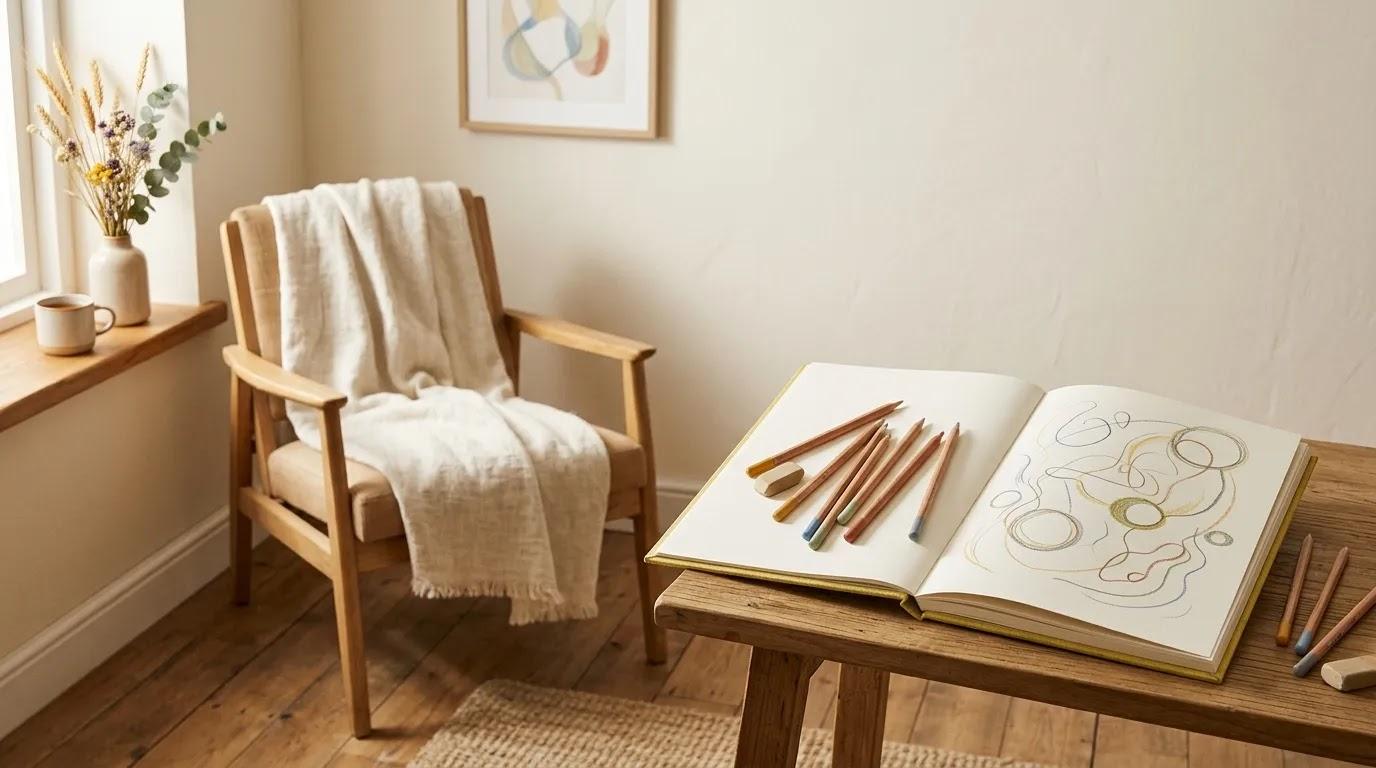
Art therapy applications offer private creative check-ins when time, words, or travel make in-person support harder to reach.
Wondering are there free mindfulness apps that stay free? Here are four gentle checks to spot real ones, plus a calming option worth trying.
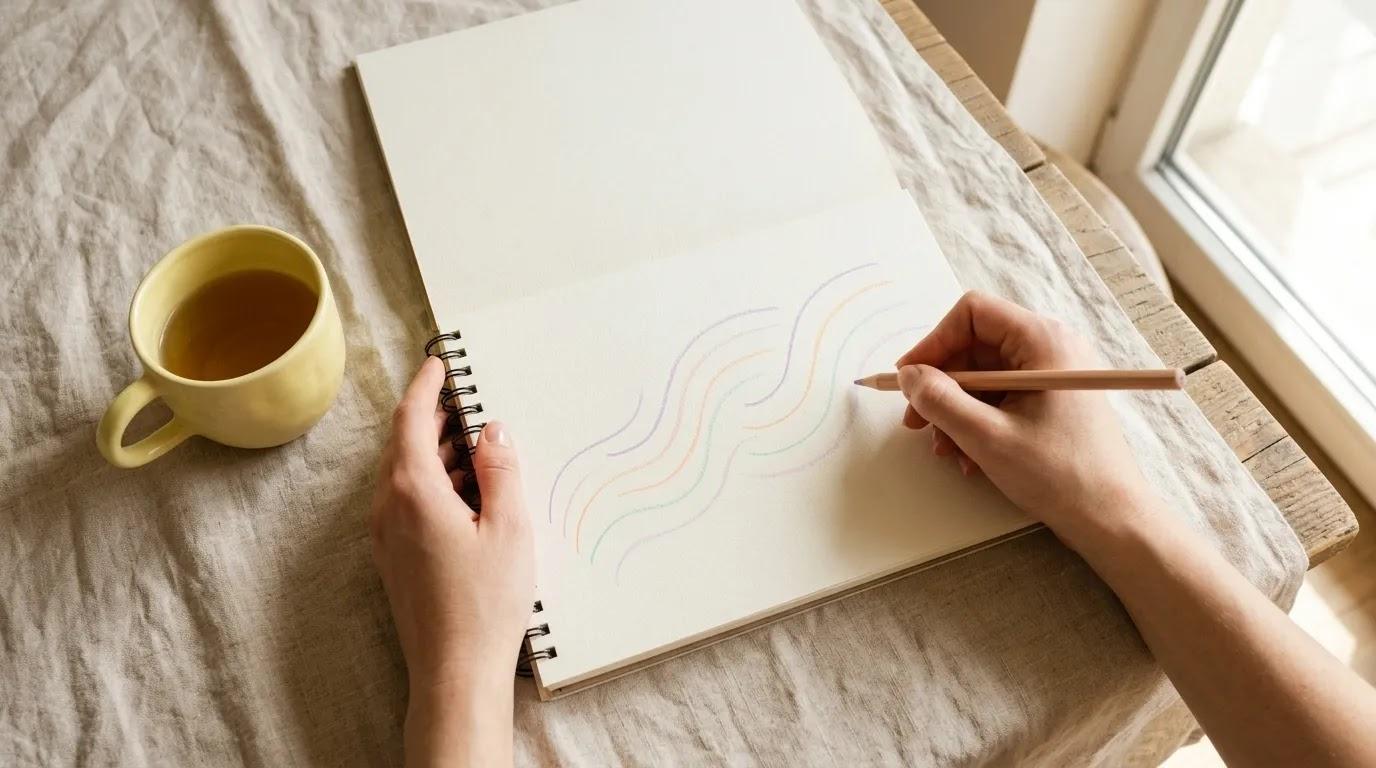
Explore Daily Lemons, a free iOS smart therapy app with voice-guided drawing, captions, privacy notes, and clear limits for speech support.
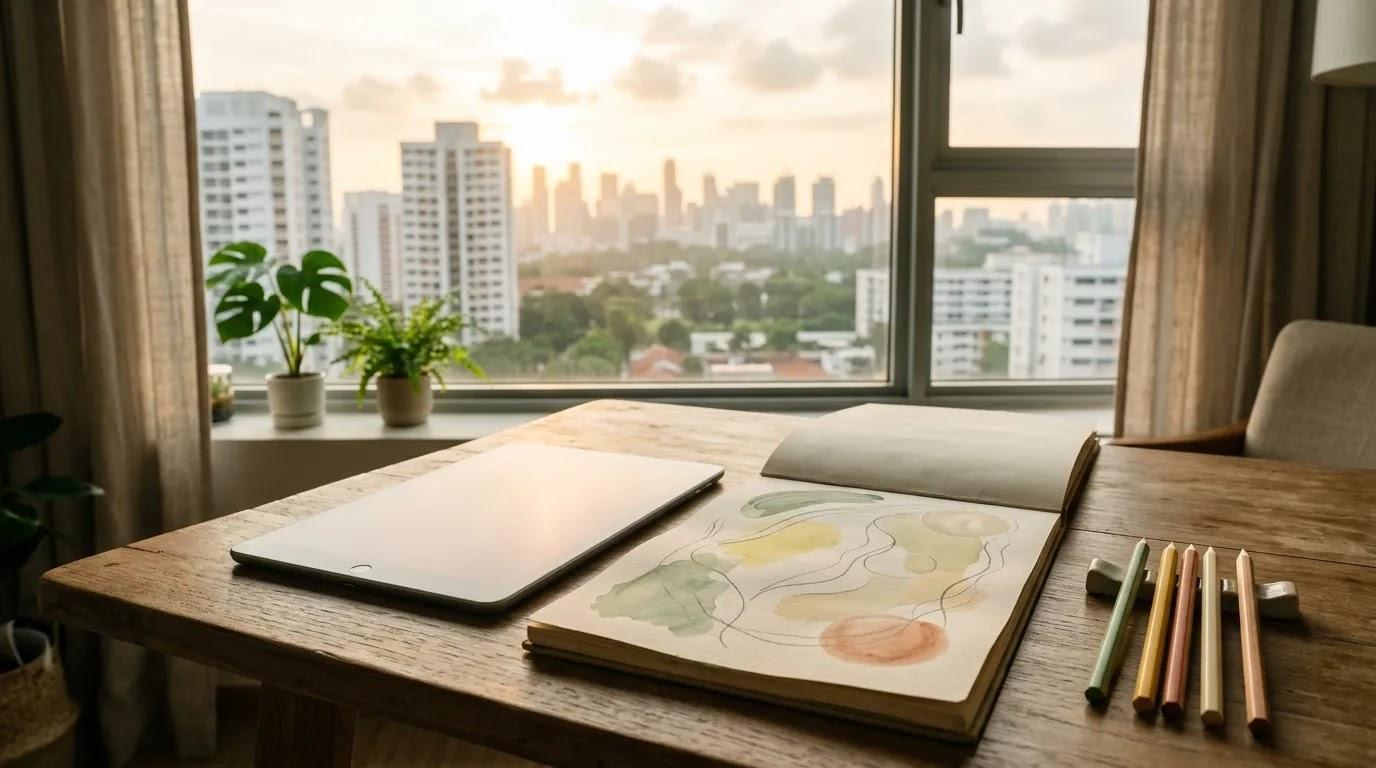
Mental health app Singapore review: explore Daily Lemons’ creative exercises, privacy, pricing, local fit, and support limits.
Learn how the vagus nerve supports stress recovery, breathing, heart rhythm, and digestion, plus when fainting may need medical care.
Online art therapy sessions can happen from your kitchen table. Learn about flow, materials, privacy, credentials, and finding a steady fit.
Compare the best online art therapy programs for 2026, including apps, courses, and guides for gentle, structured creative reflection at home.
Learn what makes a good mindfulness app, from flexible sessions and privacy controls to sleep tools, wearables, pricing, and creative options.
Build a simple self-care routine to prevent burnout with small, repeatable supports for sleep, food, boundaries, movement, and recovery.
Learn what emotional stress is, how it differs from physical stress, where they overlap, and gentle ways to cope with both.
Learn how to calm yourself down during panic or acute anxiety with a gentle, body-first plan you can use in 5–15 minutes.
Stress symptoms can show up as tension, poor sleep, brain fog, and irritability. Learn 9 early signs and when extra support may help.

Work stress can feel overwhelming. Learn practical, on-the-job ways to handle work stress with quick resets, small task steps, and clearer support.
Stress management gets easier when you sort pressure by life area. Learn simple ways to reduce overload, recover, and cope more steadily.
Stress relief ranked by speed of results. Discover 7 fast methods, a 5-minute menu, and gentle tips to choose what helps in the moment.
Stress meaning explained: learn the difference between everyday and clinical use, common types, signs, and why the definition matters.
How do you handle stress? Learn simple ways to name the pressure, regulate your body, and choose a calm next step in real situations.
Learn how stress shows up in your body, the 3 common types, and the quiet warning signs that suggest you may be carrying too much.
Stress management techniques ranked by impact and difficulty, with beginner-friendly options, fast resets, and gentle tips for daily stress.
Emotional healing, step by step: learn how to build safety, express pain, regulate emotions, and make small repairs at your own pace.
Find the best stress buster for fast relief with 10 quick options ranked by time and effectiveness, plus simple tips for choosing one.
Emotional regulation techniques from DBT and CBT that help you pause, ground, and respond with more steadiness in stressful moments.
Workplace stress can ease with clear boundaries. Learn simple ways to spot triggers, set limits, use scripts, and protect recovery time.
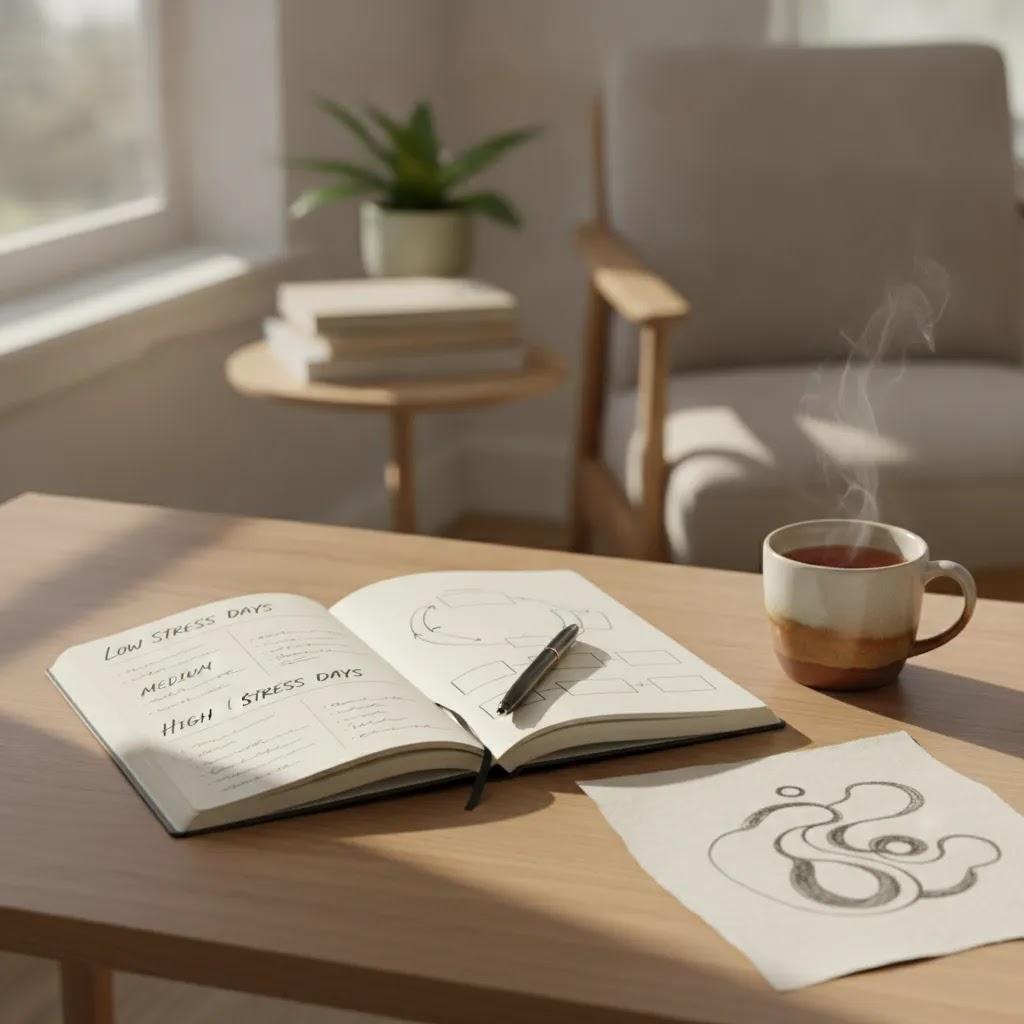
Learn how to manage stress with a simple personal action plan. Notice your signs, sort stress levels, choose coping tools, and adjust weekly.
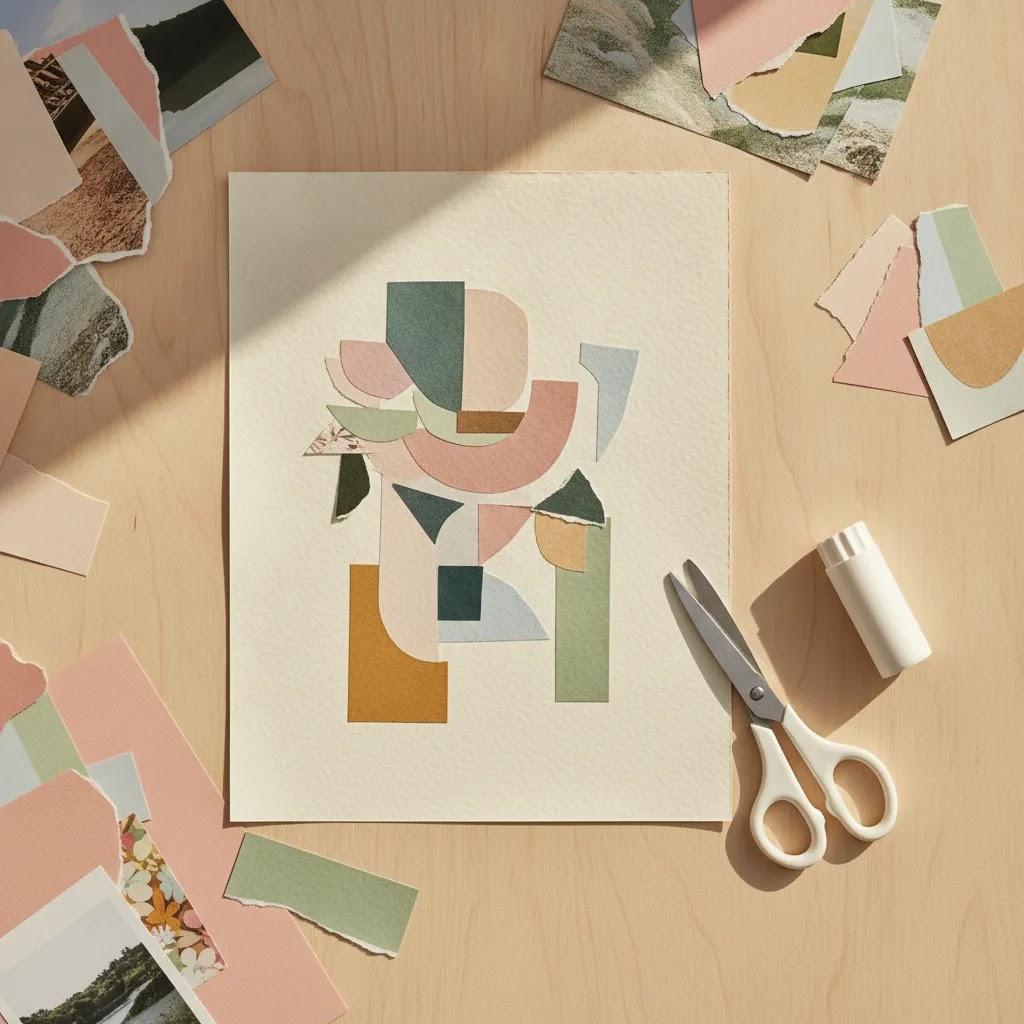
Explore collage art therapy benefits, from easing blank-page pressure to holding mixed feelings, identity-building, and gentle regulation.
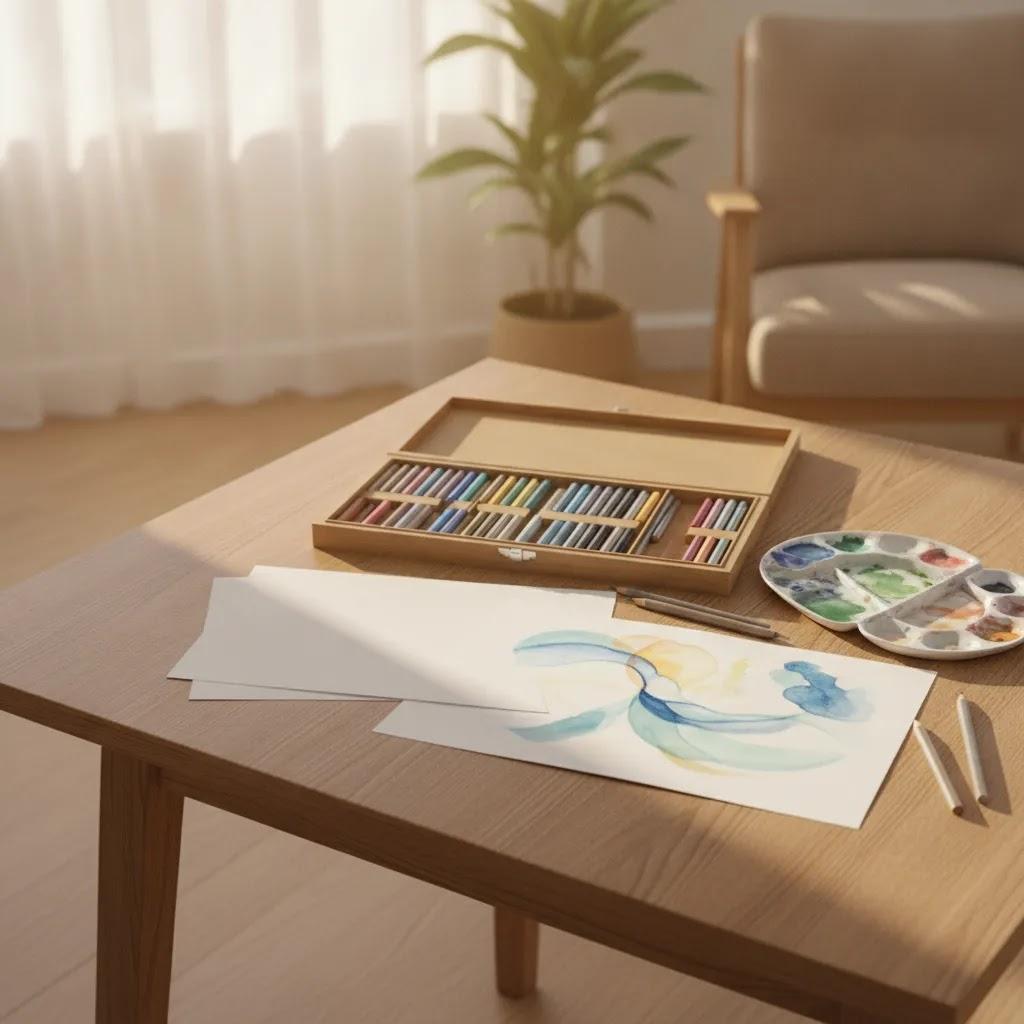
Art therapy explained: learn what art therapy is, how it works, common methods, benefits, and how to choose qualified support.
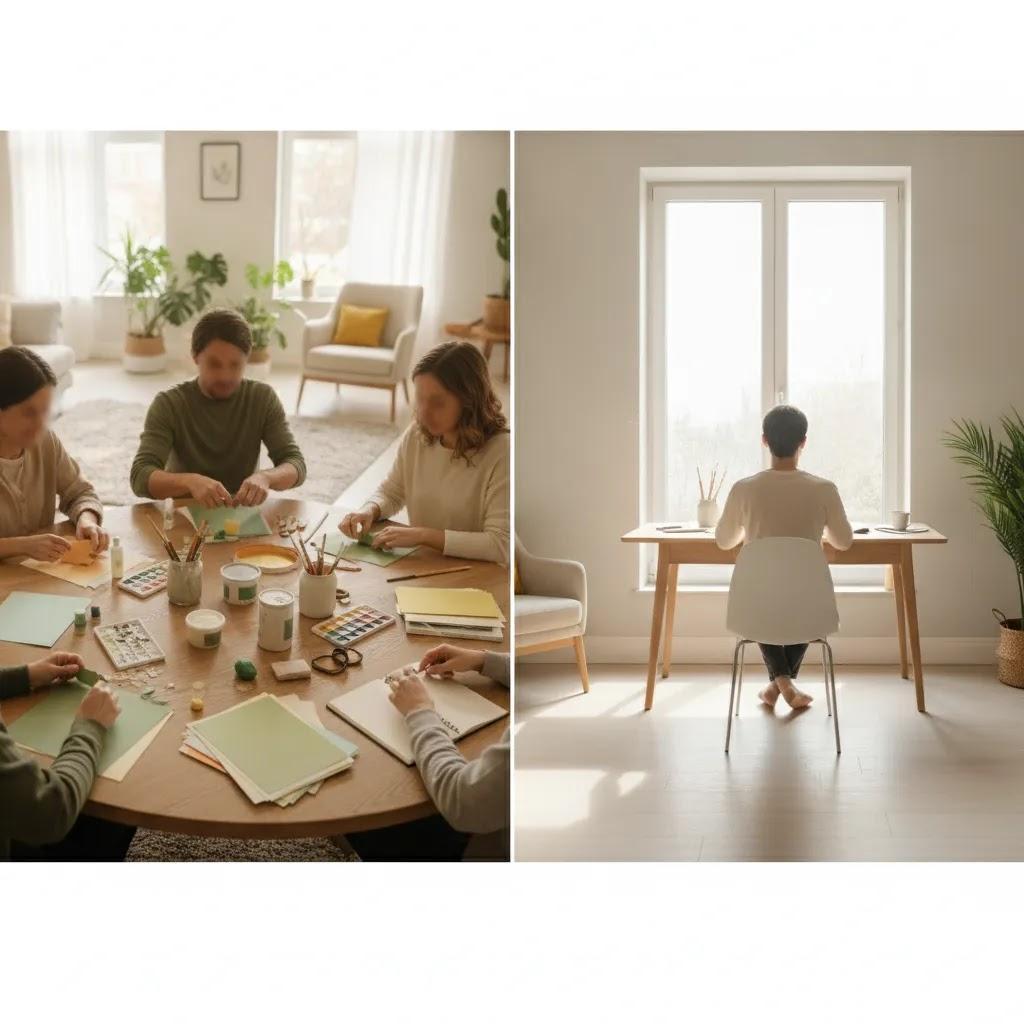
Group art therapy benefits include connection, perspective, and support. Compare group vs solo art therapy to find the setting that fits you.
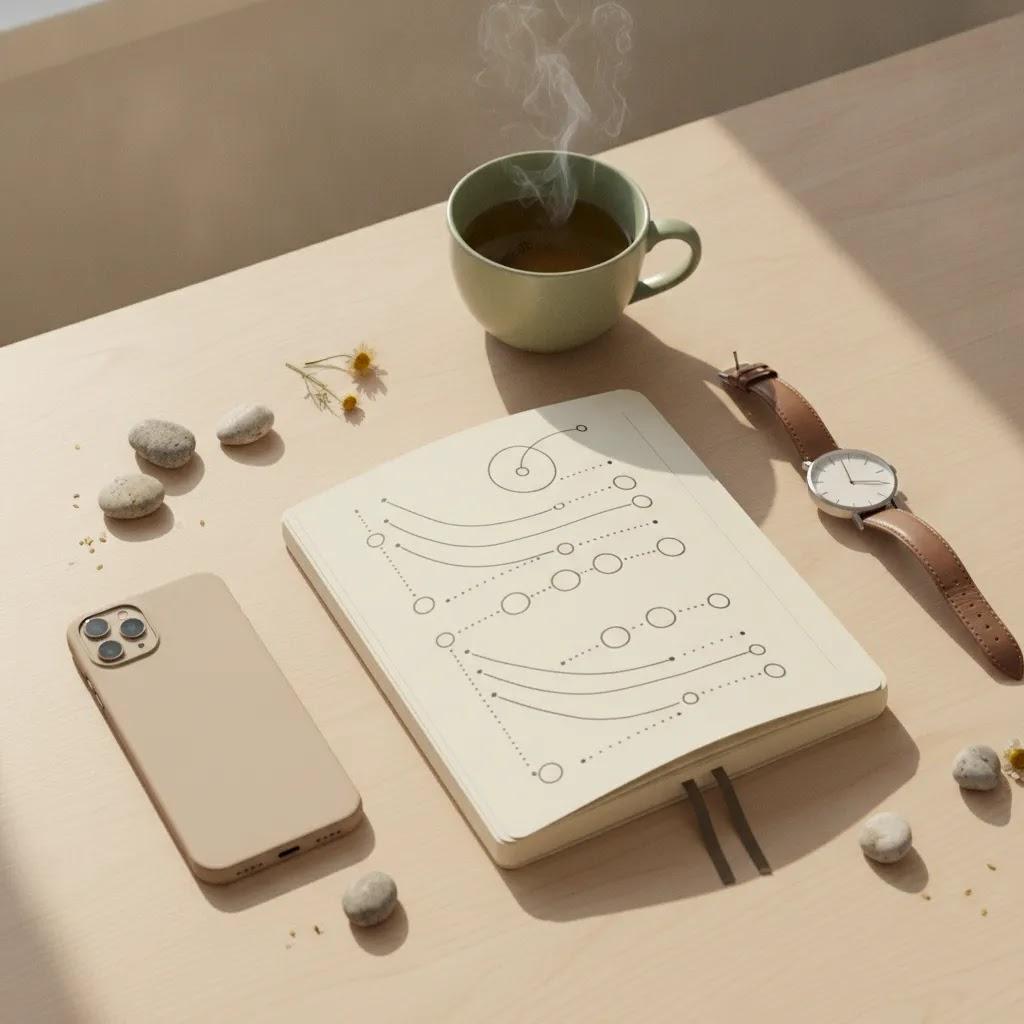
Learn what your stress level means, how common tools measure it, and how to read scores calmly without turning one result into a verdict.
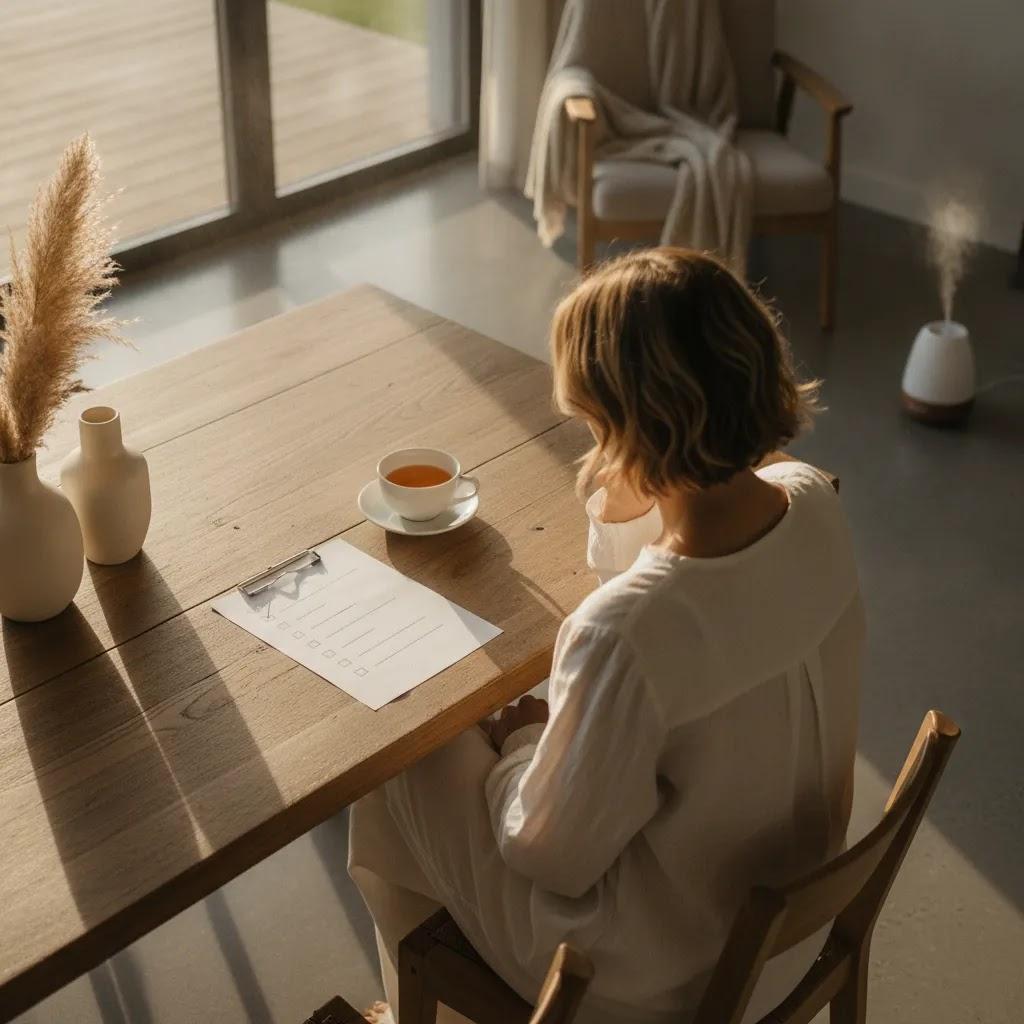
Am I stressed? Use this gentle self-assessment checklist to spot stress patterns in your body, mind, habits, and relationships.
Learn what causes stress, from poor sleep and pain to deadlines, conflict, and uncertainty. Map common triggers and warning signs gently.
Learn coping by stress type with a gentle, practical guide to choosing coping techniques that fit overload, numbness, pressure, or emotional pain.
Emotional regulation skills help you notice feelings, pause, ground, express emotion safely, and recover after stress with simple practice exercises.
Learn what stressors are, the 4 main types, and how to rank your personal triggers with a simple method that makes stress feel less random.
Art as therapy means using art-making to explore, express, and steady your inner experience in a gentle, non-clinical way.
Learn how to reduce anxiety with gentle, practical tools matched to mild, moderate, acute, and persistent anxiety levels.

Learn how to reduce stress with simple daily techniques, quick body resets, and gentle routines that help you feel steadier every day.
Art therapy benefits for seniors may include better focus, memory cues, social connection, gentler communication, and a renewed sense of purpose.
Learn how an art therapist supports emotional expression, what training matters, and how to choose a safe, good-fit provider.
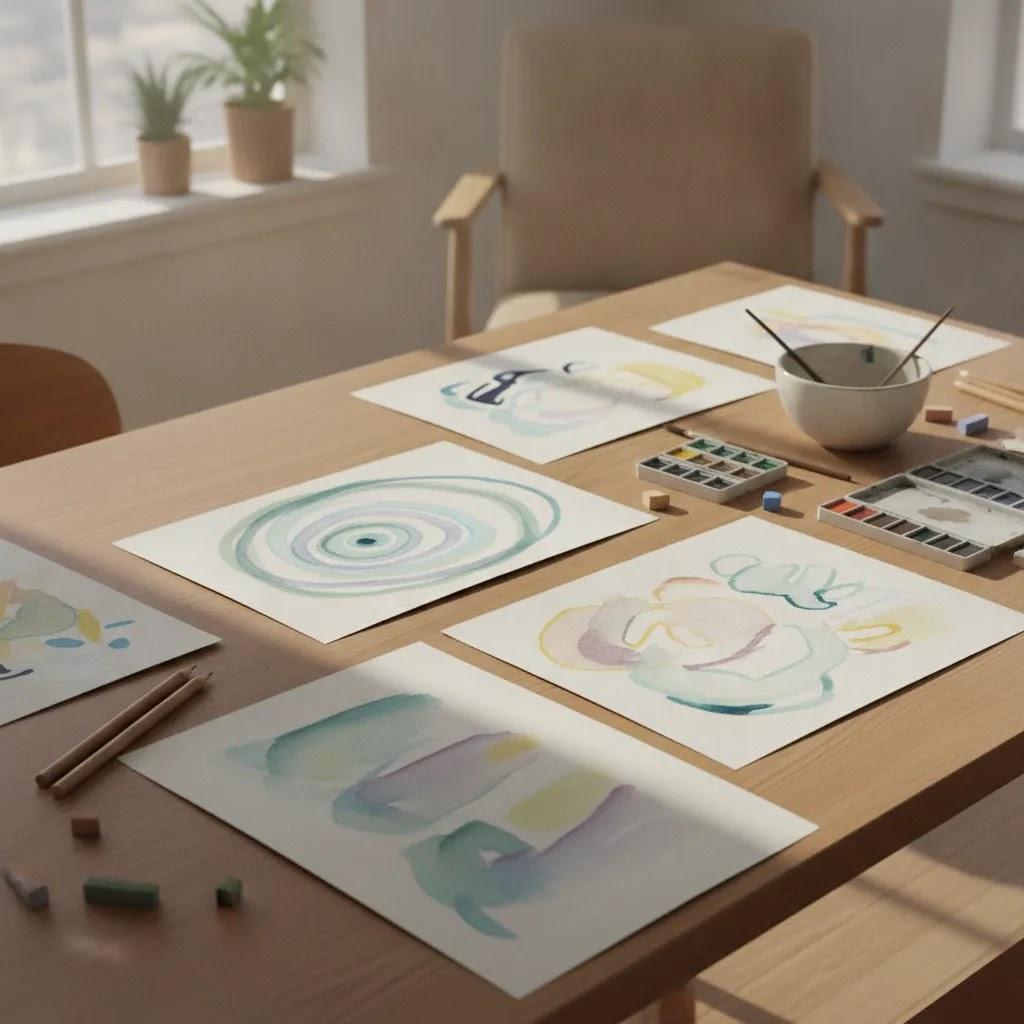
Explore art therapy benefits across ages and conditions, from emotional expression and stress relief to connection, reflection, and agency.
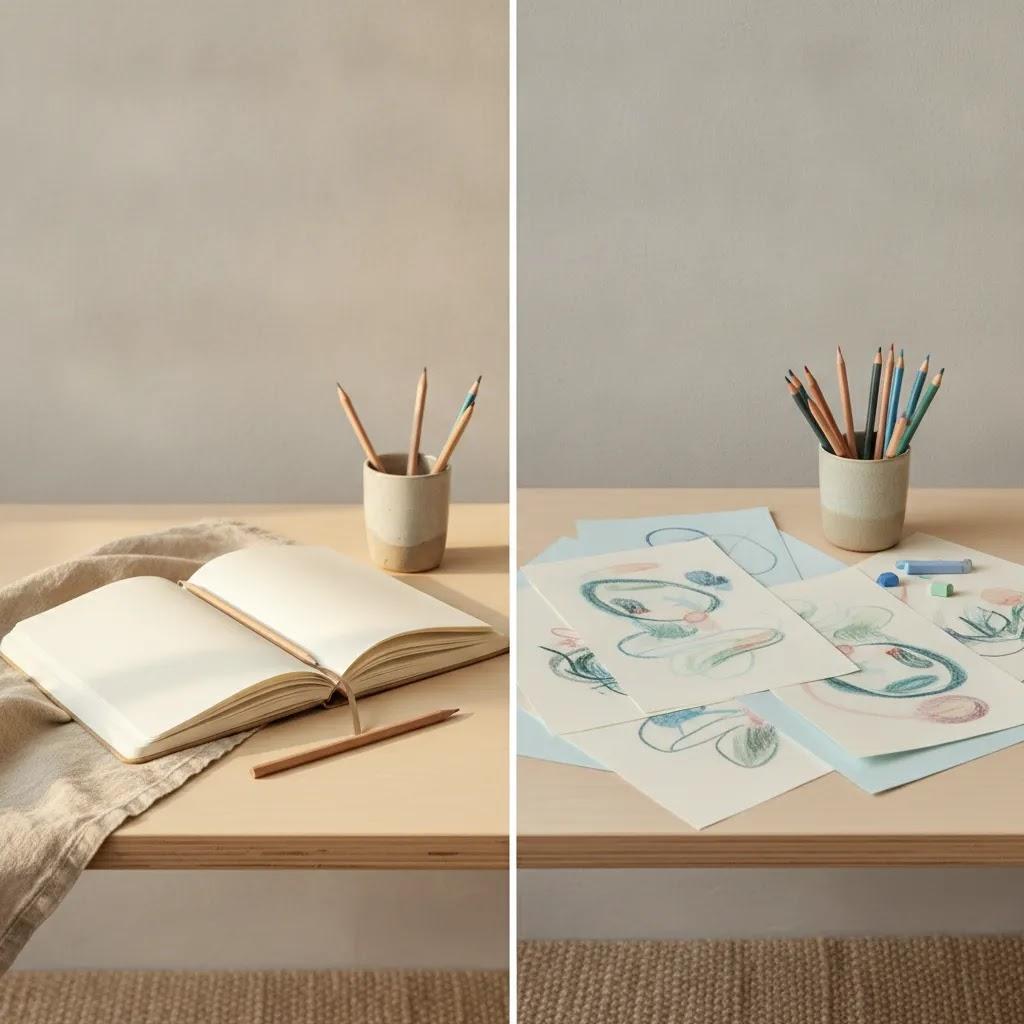
Art therapy vs counselling: compare methods, benefits, limits, and how to choose the support style that feels right for you.
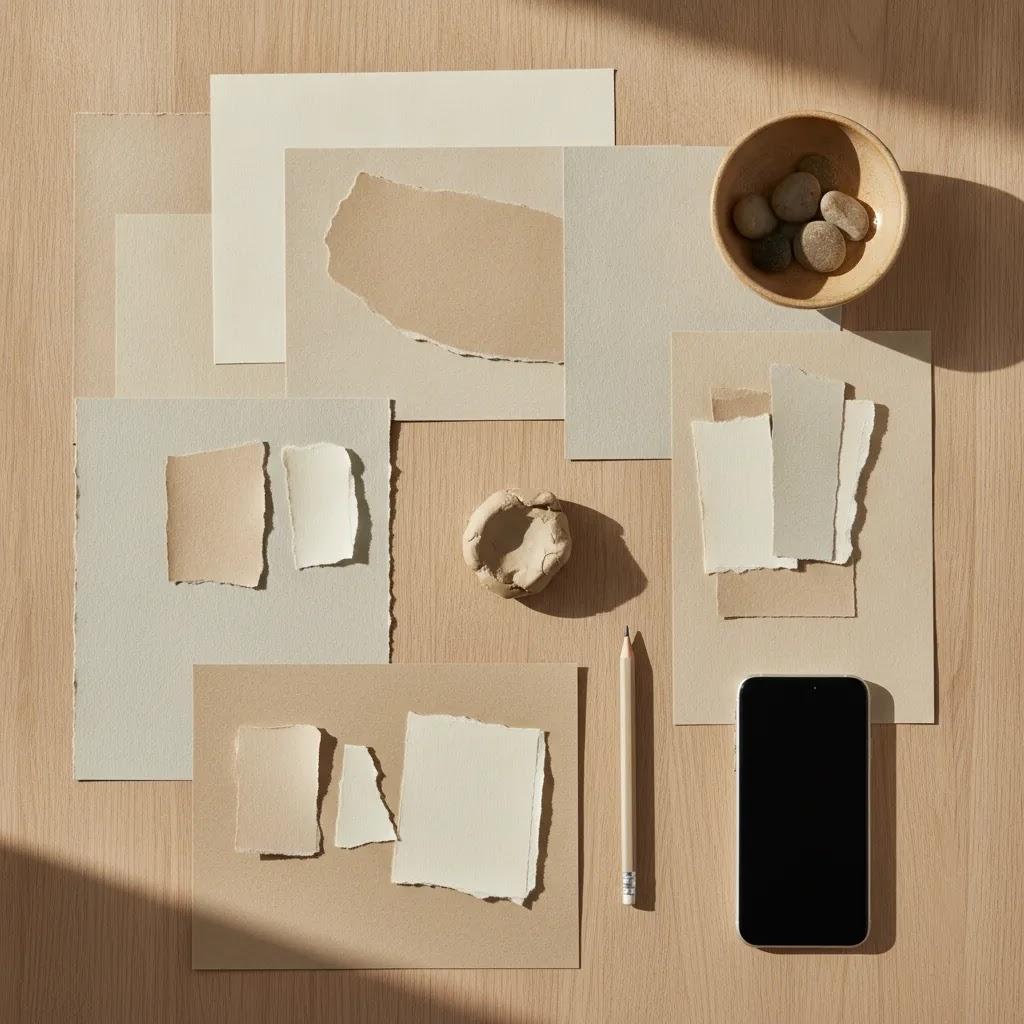
Expressive arts therapy tool review and guide for choosing simple, supportive materials, prompts, and digital options that feel easier to start.
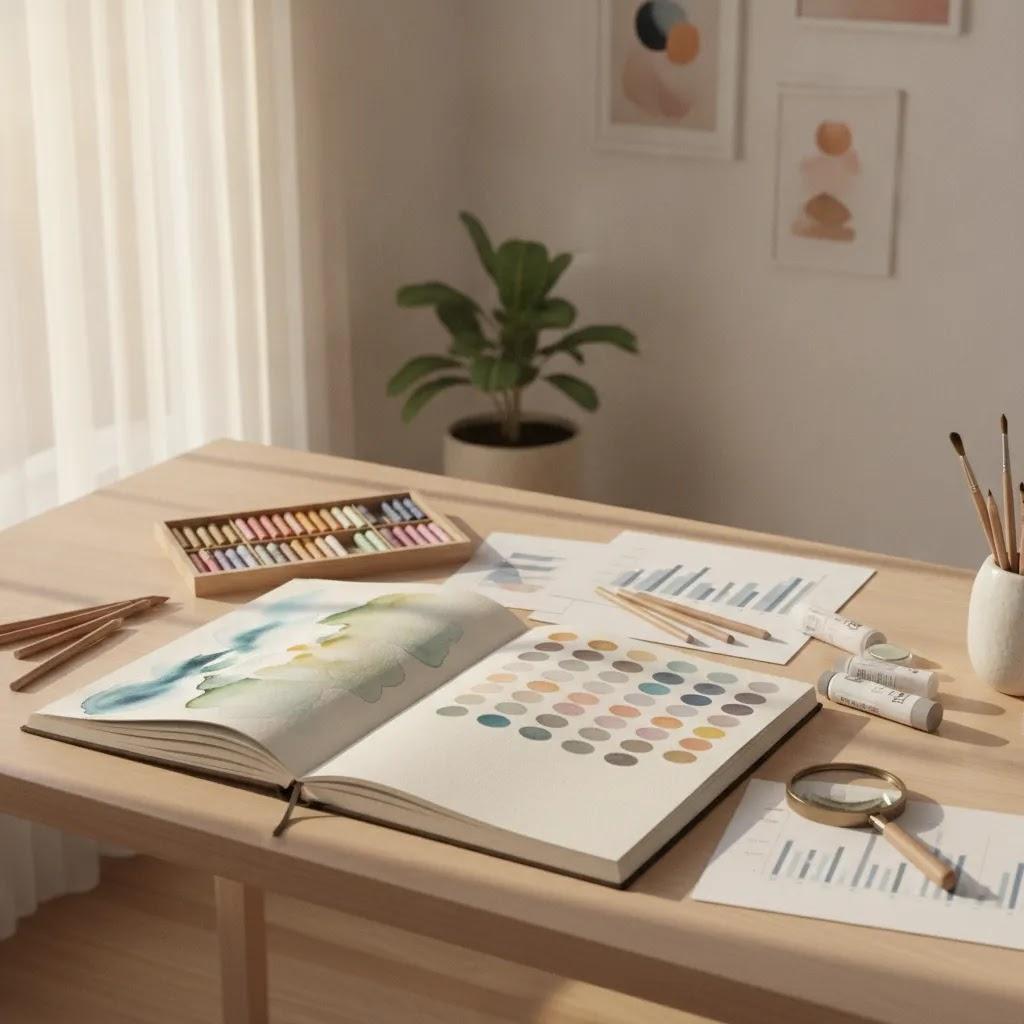
Is art therapy effective? Research suggests it may help with stress, emotional expression, coping, and well-being, though results vary.
Art therapy benefits for autism may include easier communication, sensory regulation, and more choice. Learn how this gentle support can help.
Is art therapy worth it? Learn how to weigh cost, value, fit, risks, and alternatives so you can decide what kind of support makes sense for you.
Discover mandala art therapy benefits, including stress relief, focus, emotional containment, and self-reflection, backed by research.
Mental health apps for teens ranked for privacy, ease, and real use. Compare art-based, journaling, AI, and free support options.
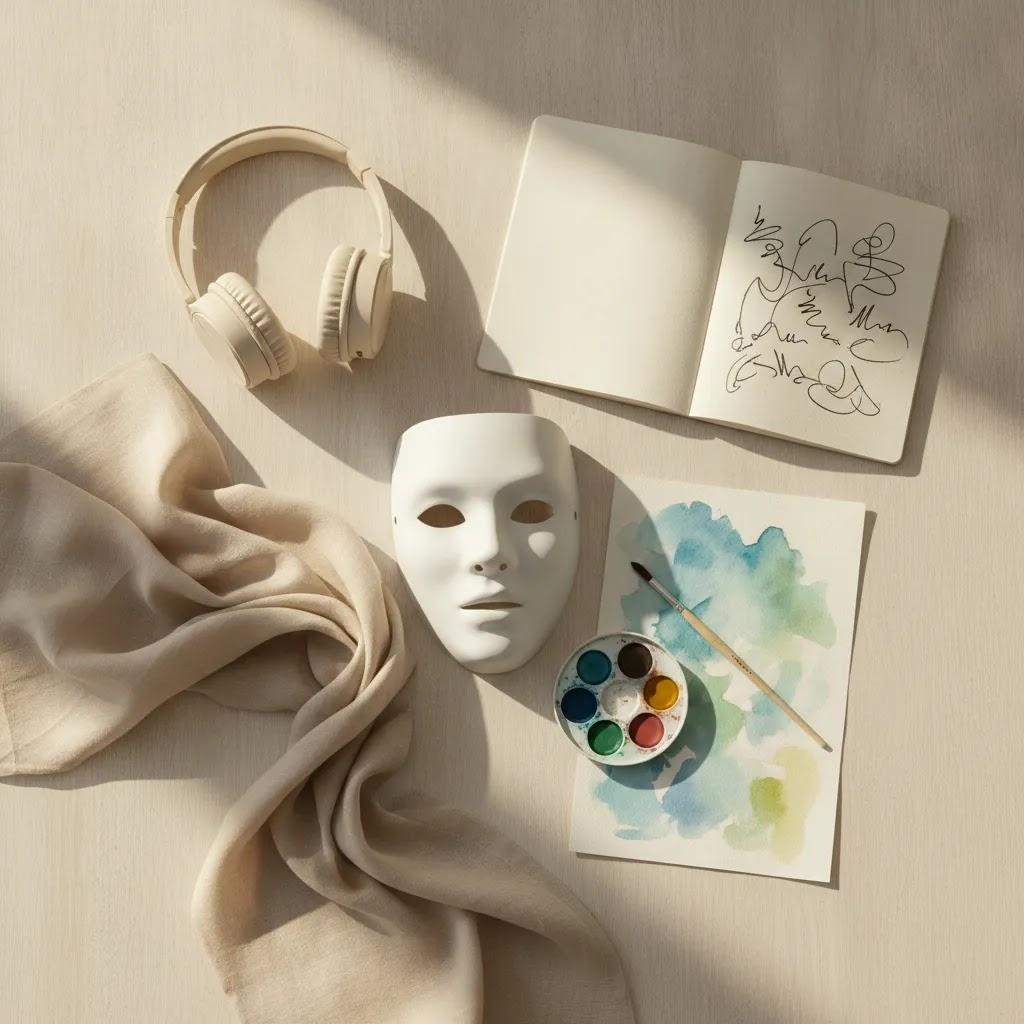
Explore the types of expressive arts therapy, from music and movement to writing and visual art, plus how sessions work and how to choose.
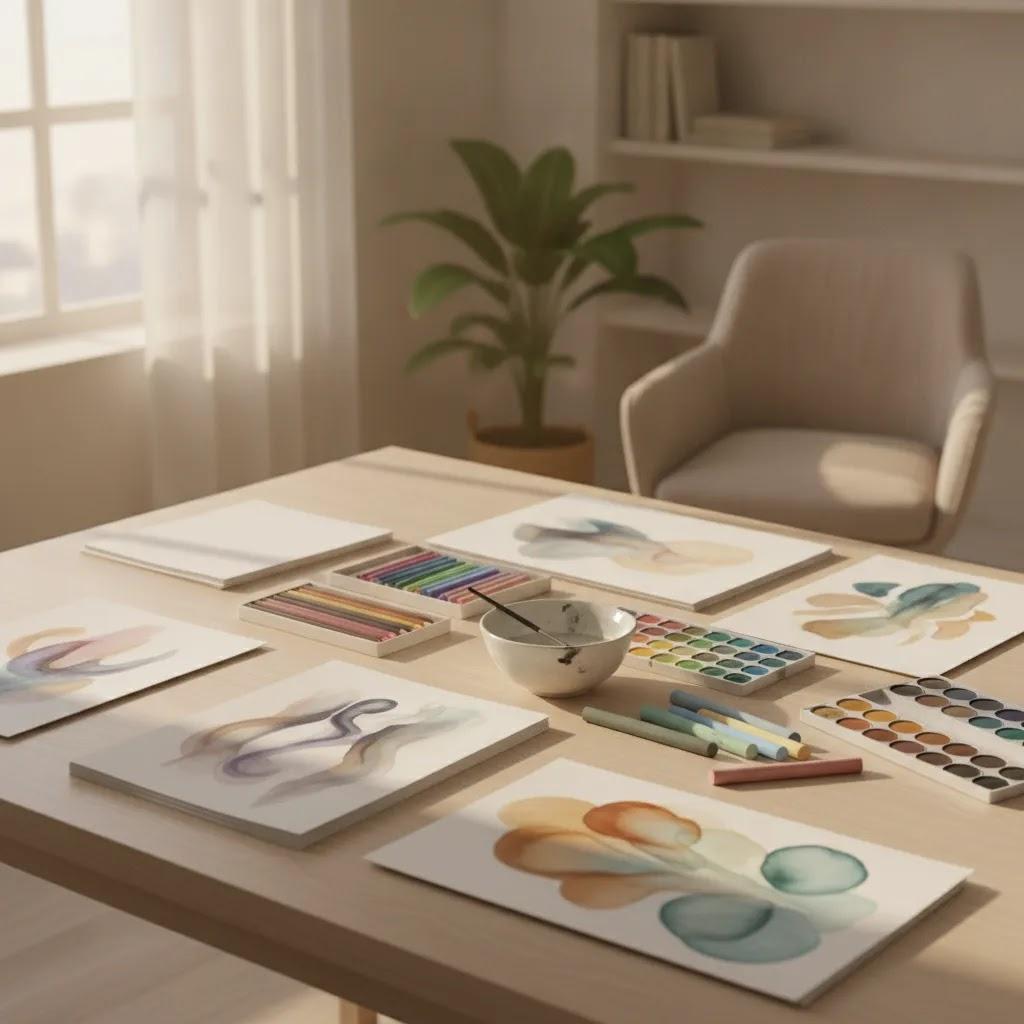
What is art therapy? Learn the definition, origins, how it works, and how it differs from art classes, crafts, and creative self-care.
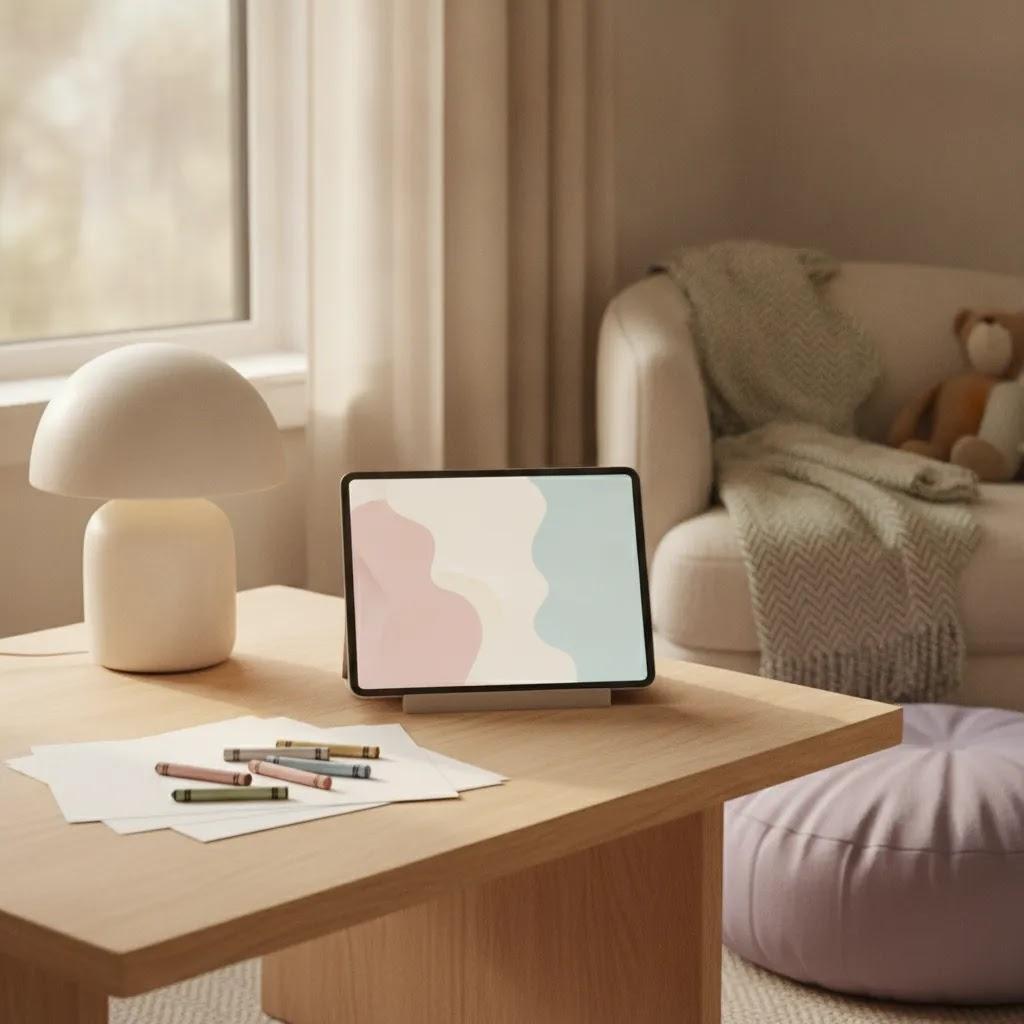
Mental health apps for kids can support calm, privacy, and emotional expression at home. Compare 5 safe picks, plus setup tips and FAQs.
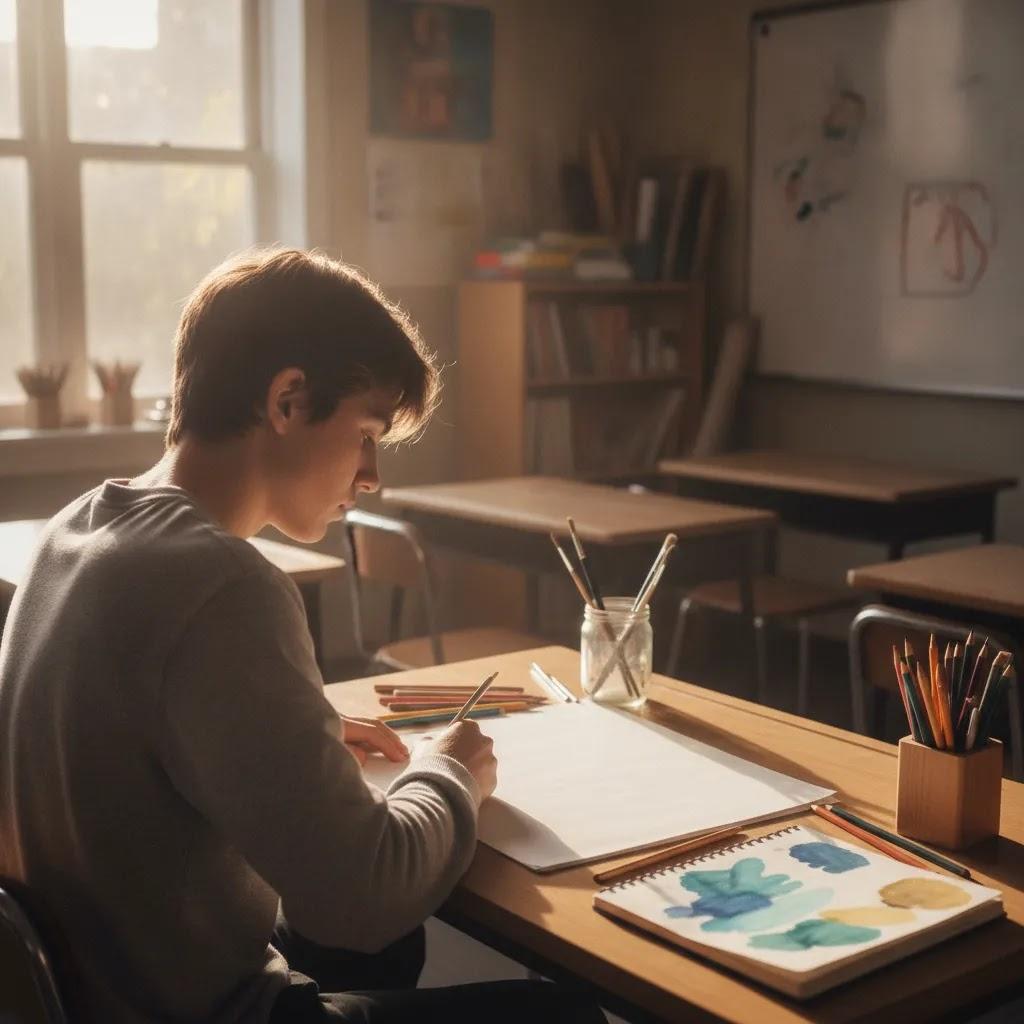
Explore art therapy benefits for students, including emotional regulation, focus, peer connection, and confidence in school settings.
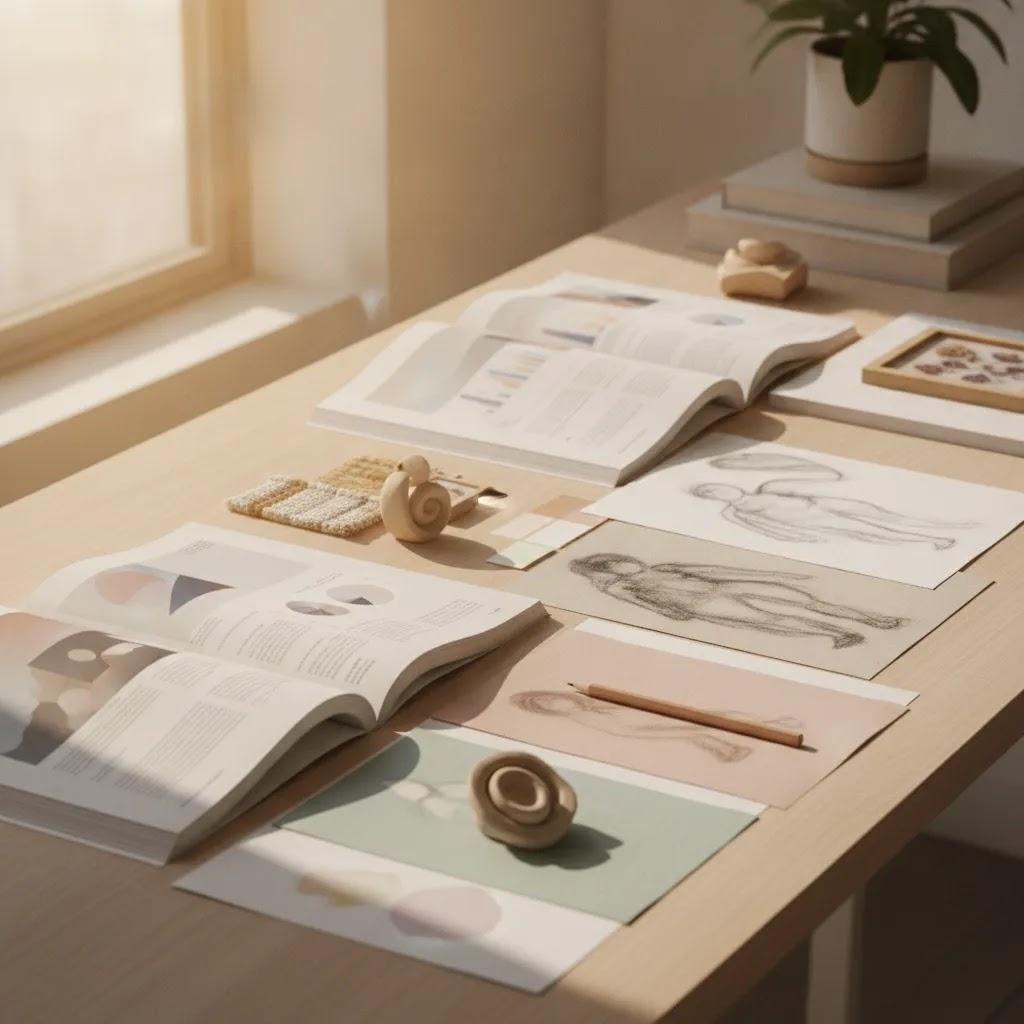
We rounded up eight research-backed art therapy benefits articles, with honest notes on what the evidence actually shows and where it still falls short.
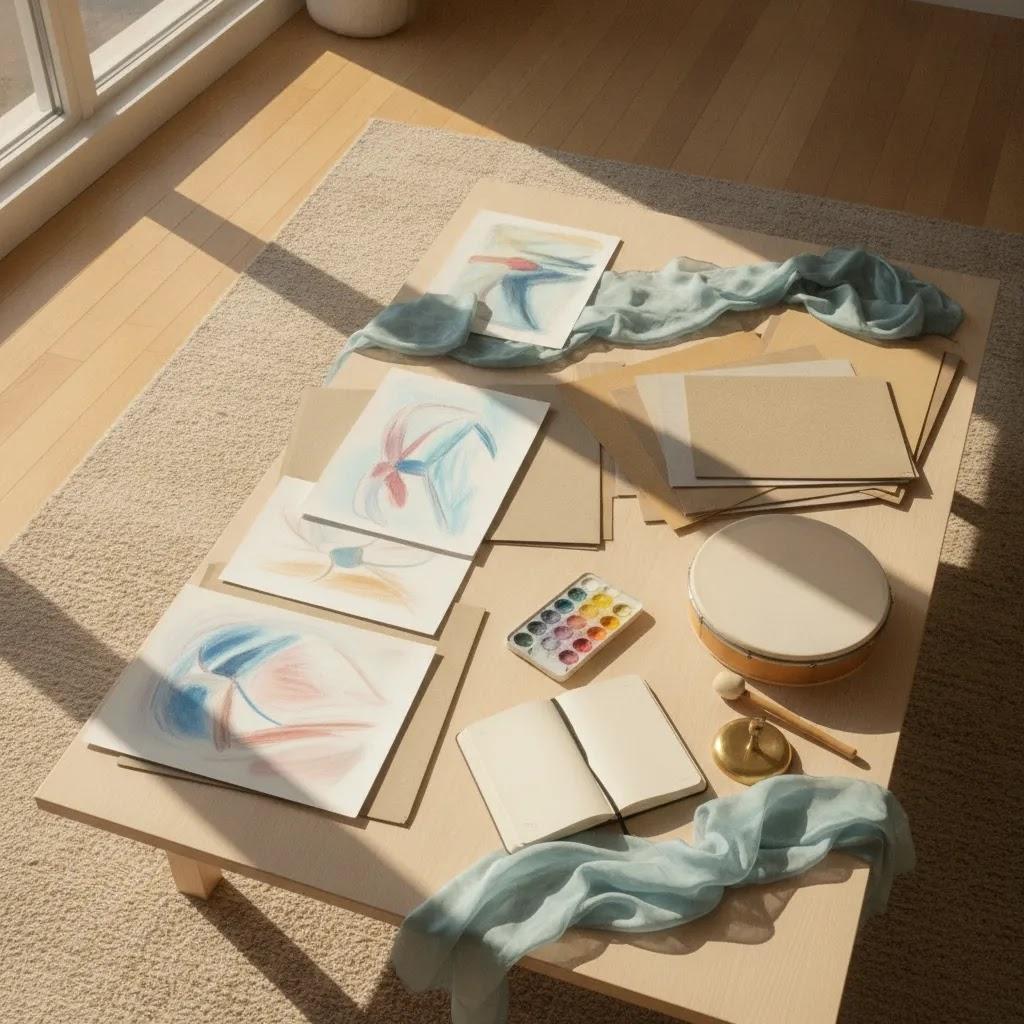
Expressive arts therapy uses art, movement, music, writing, and more to help you explore emotions, stress, and inner experience beyond words.
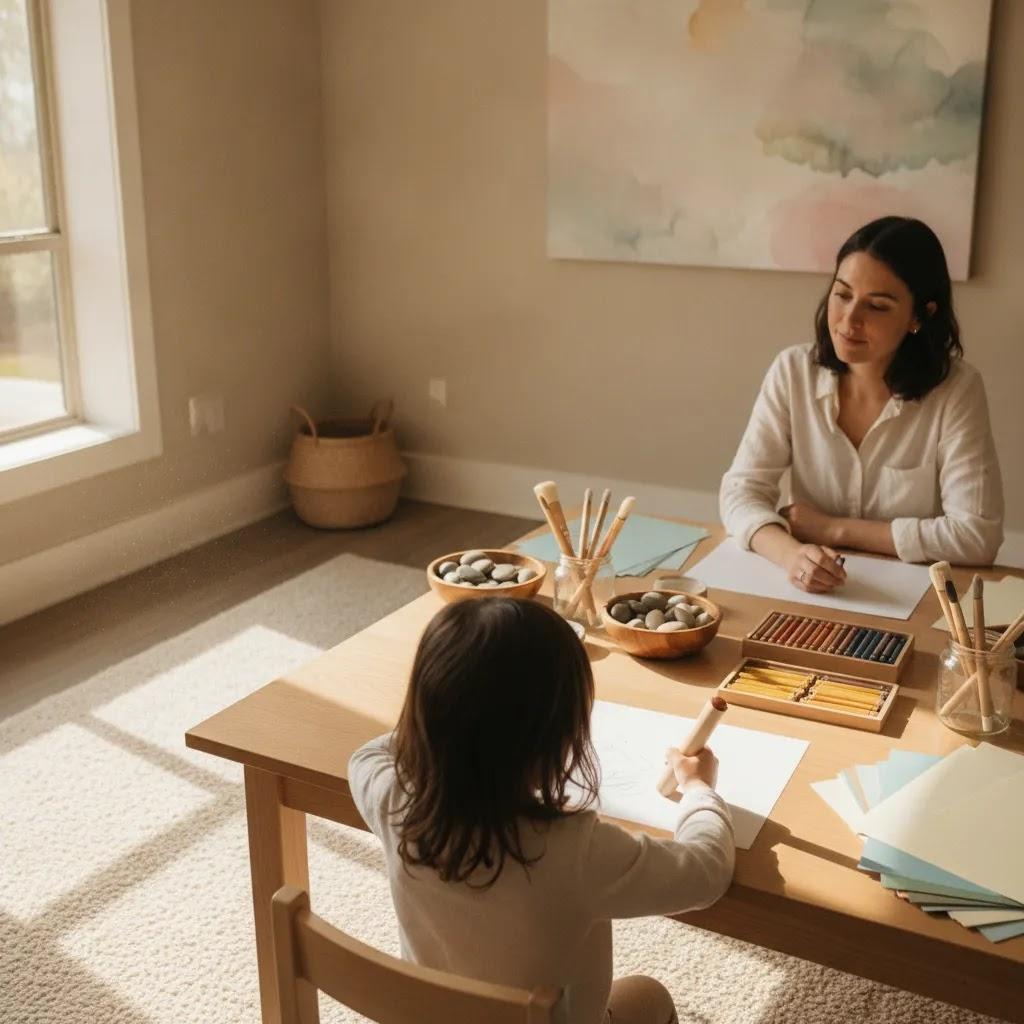
Explore the benefits of art therapy for children with autism, including communication, regulation, and social engagement in structured support.
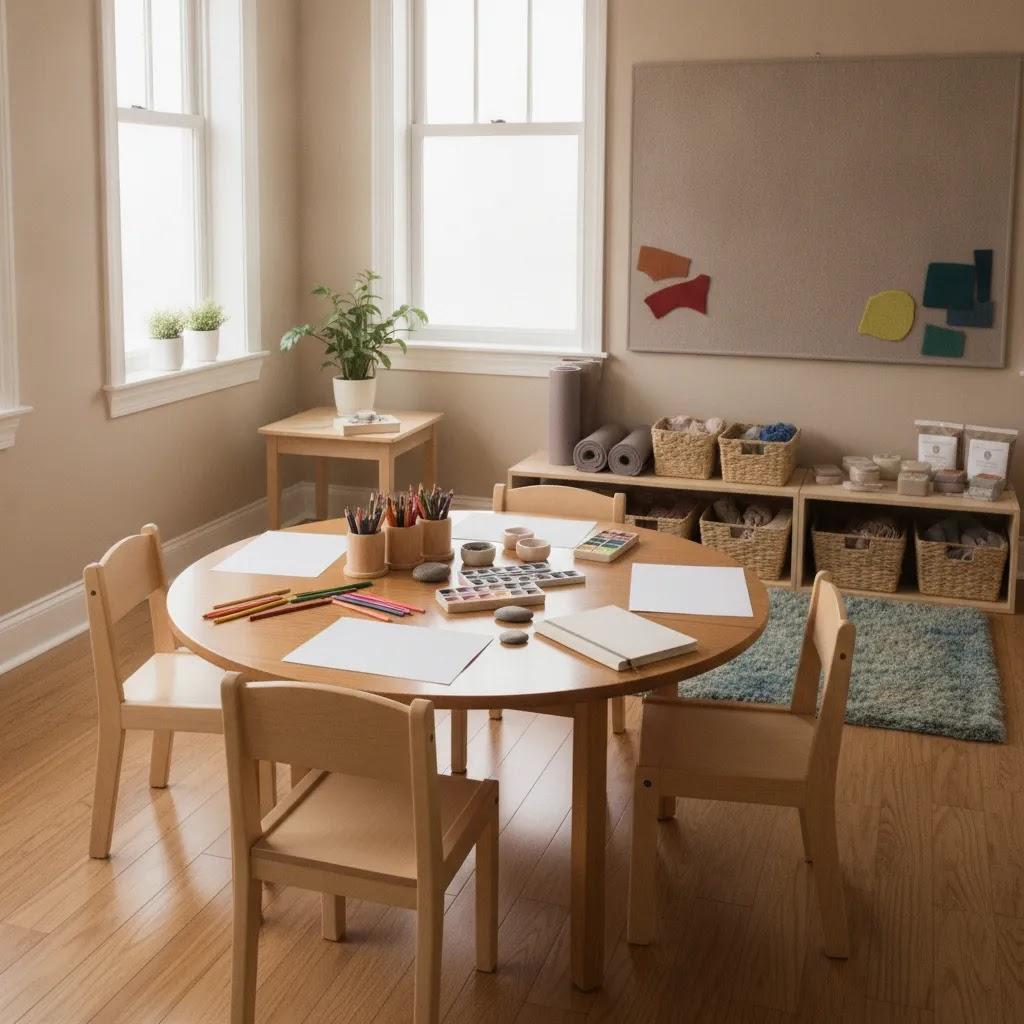
Expressive arts therapy in schools can support regulation, reflection, and student wellness. Learn planning, staffing, safety, and session basics.
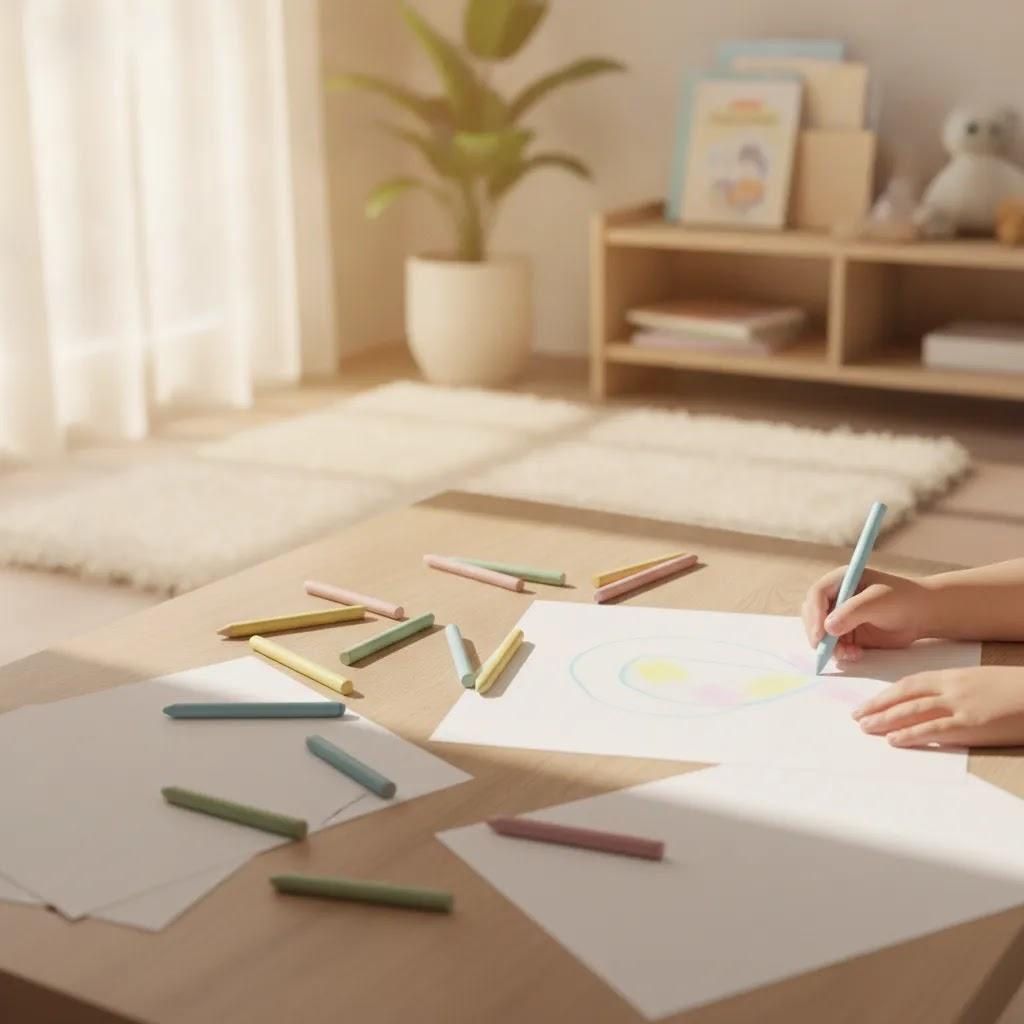
Art therapy benefits for kids can include calmer behavior, emotional expression, confidence, connection, and visible growth over time.
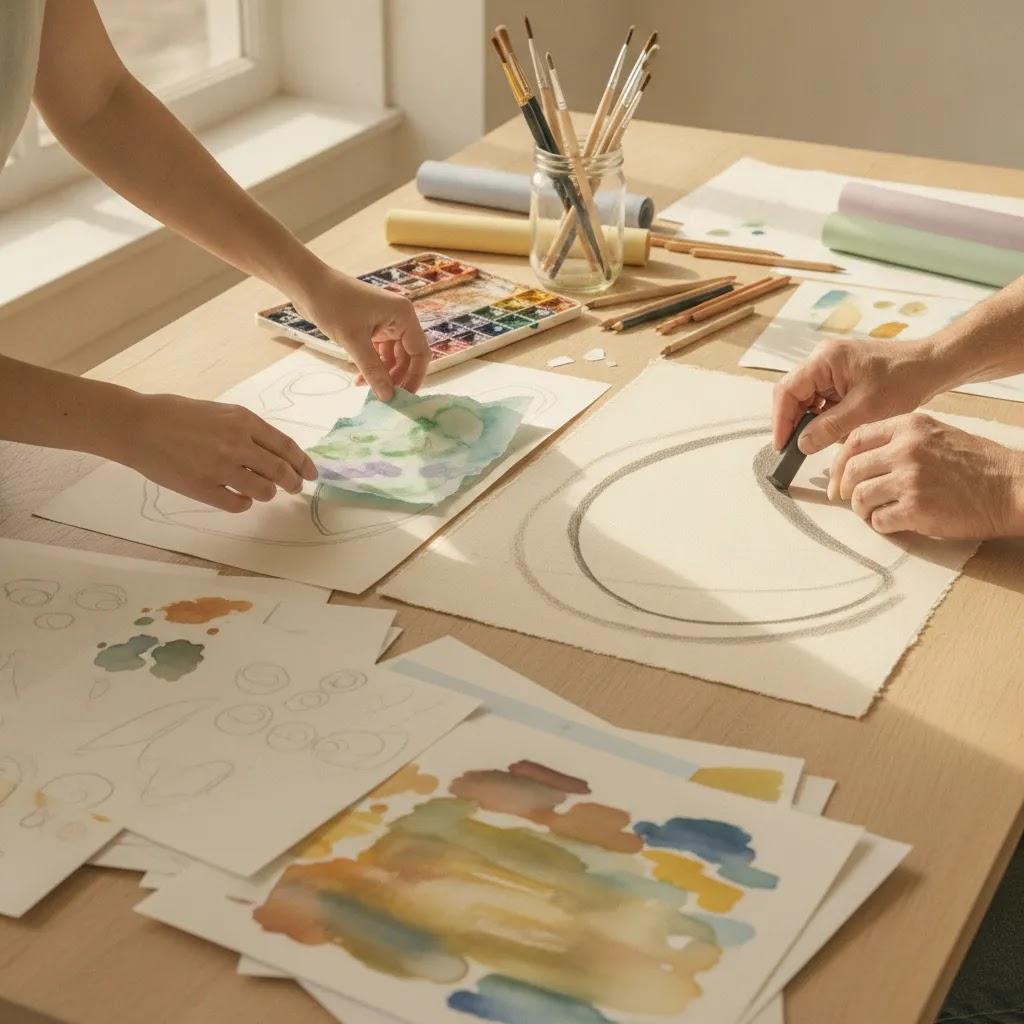
Expressive art therapy explained: what it is, its core principles, what sessions include, who it’s for, and how it differs from art classes.
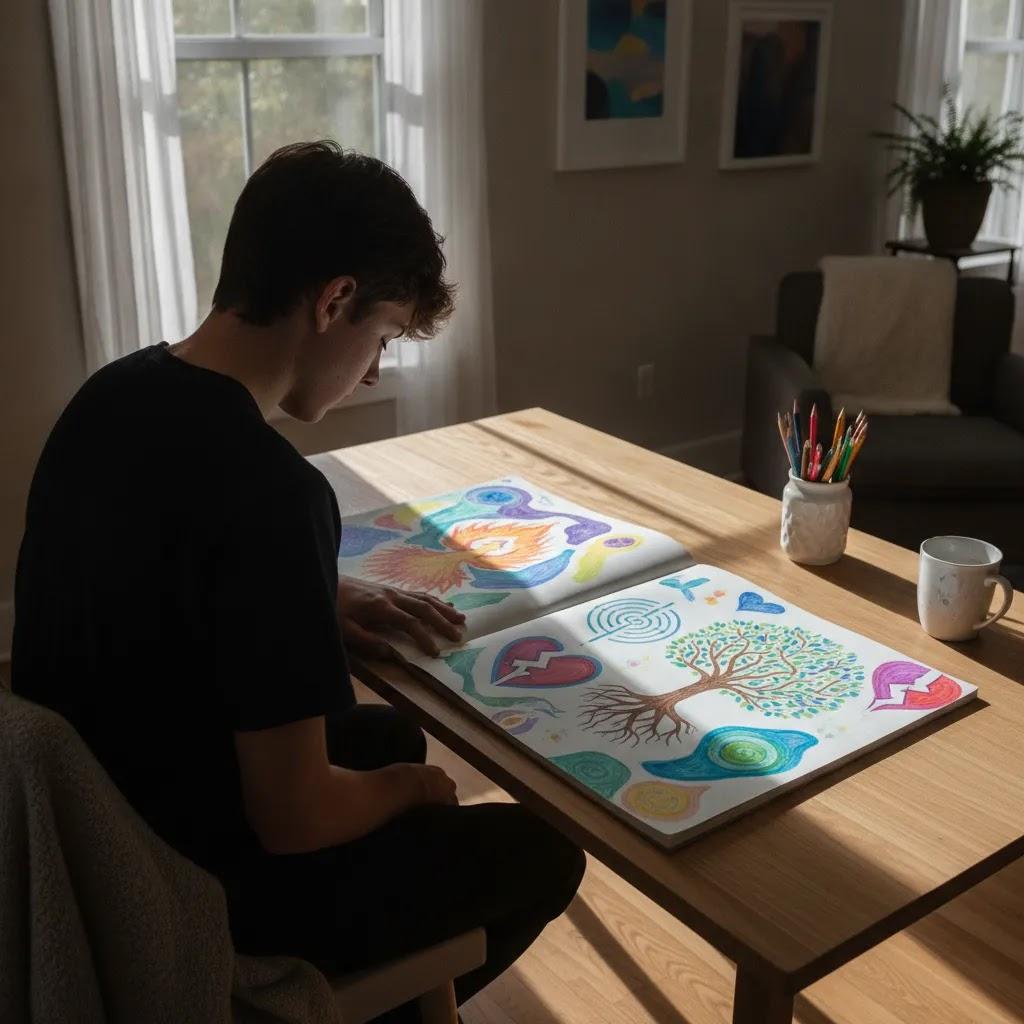
Explore the benefits of art therapy for teens, from identity-building to emotional resilience, with 5 clear ways creative support can help.
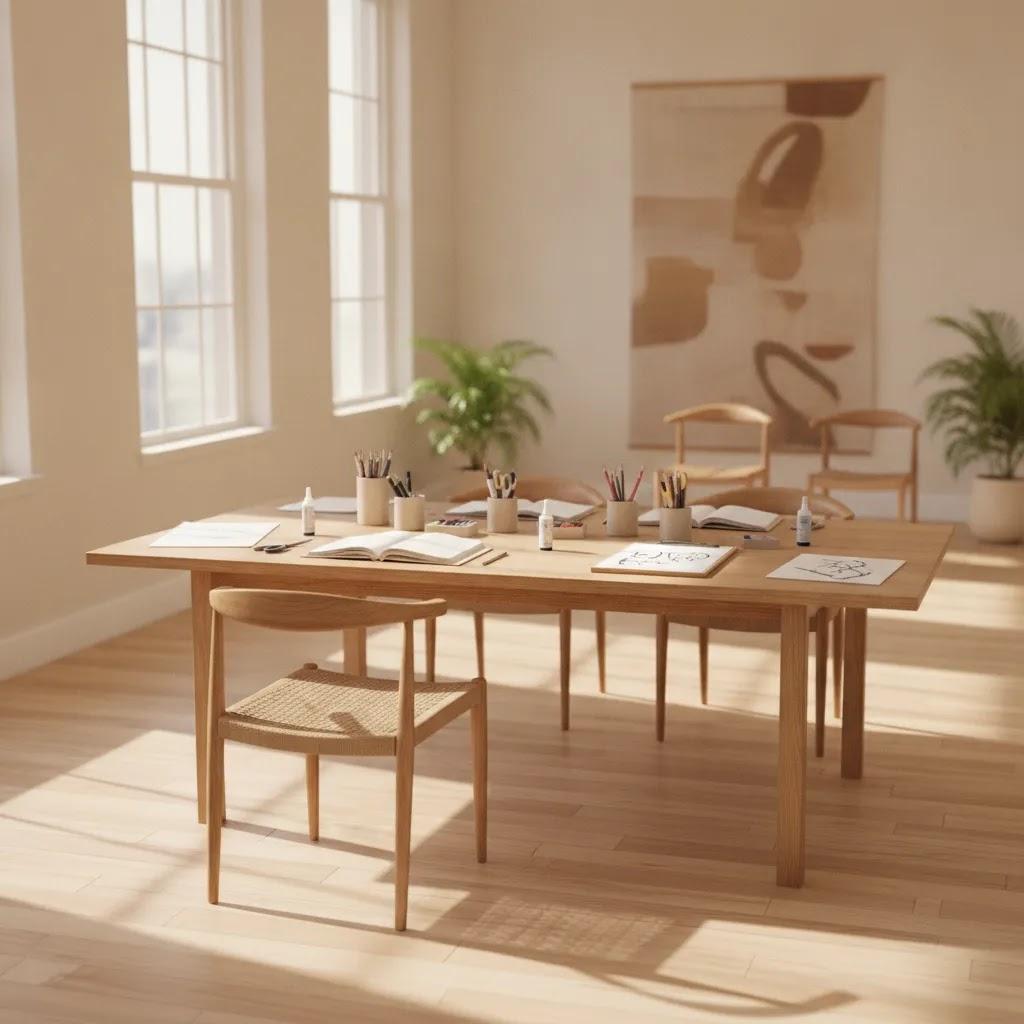
Plan an expressive arts therapy workshop with clear goals, safe pacing, simple materials, and a thoughtful closing for beginners.
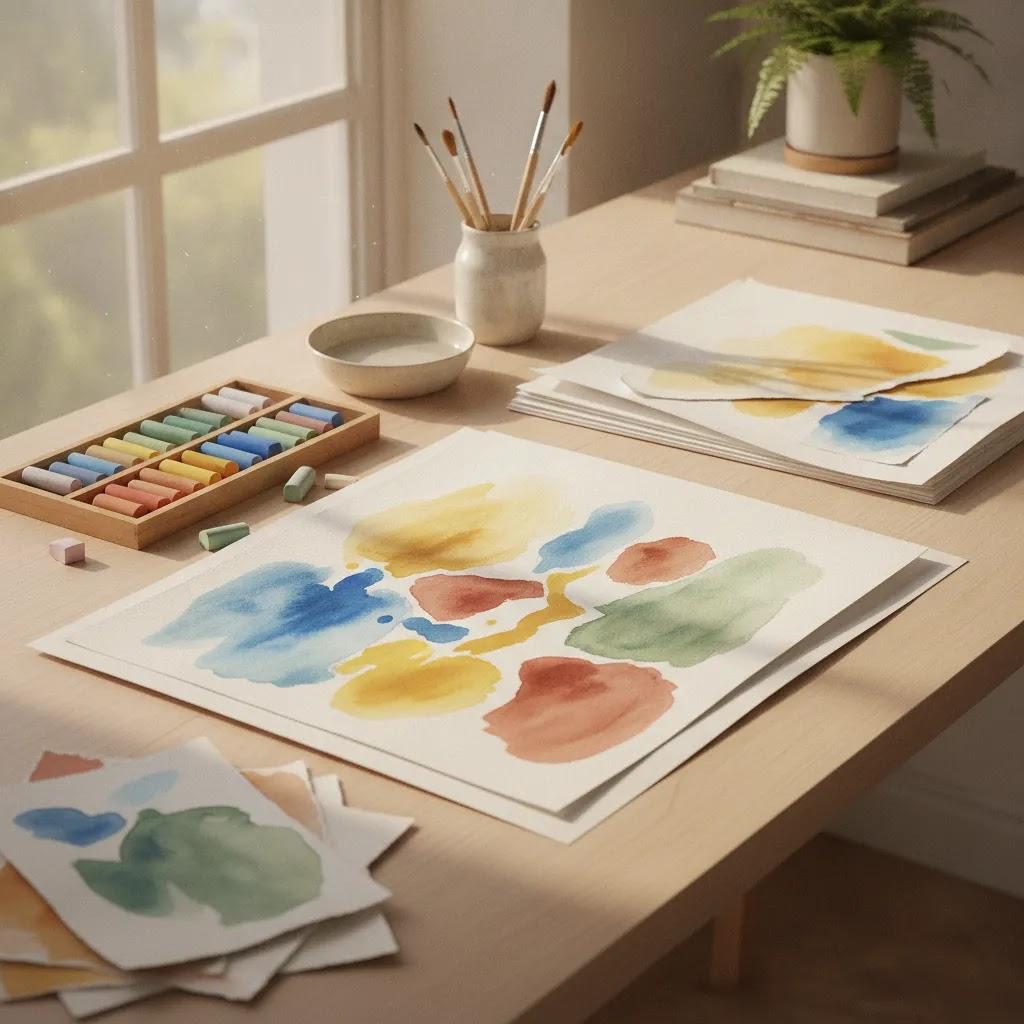
Explore expressive art therapy benefits for emotional expression, regulation, and reflection when words feel hard to reach.
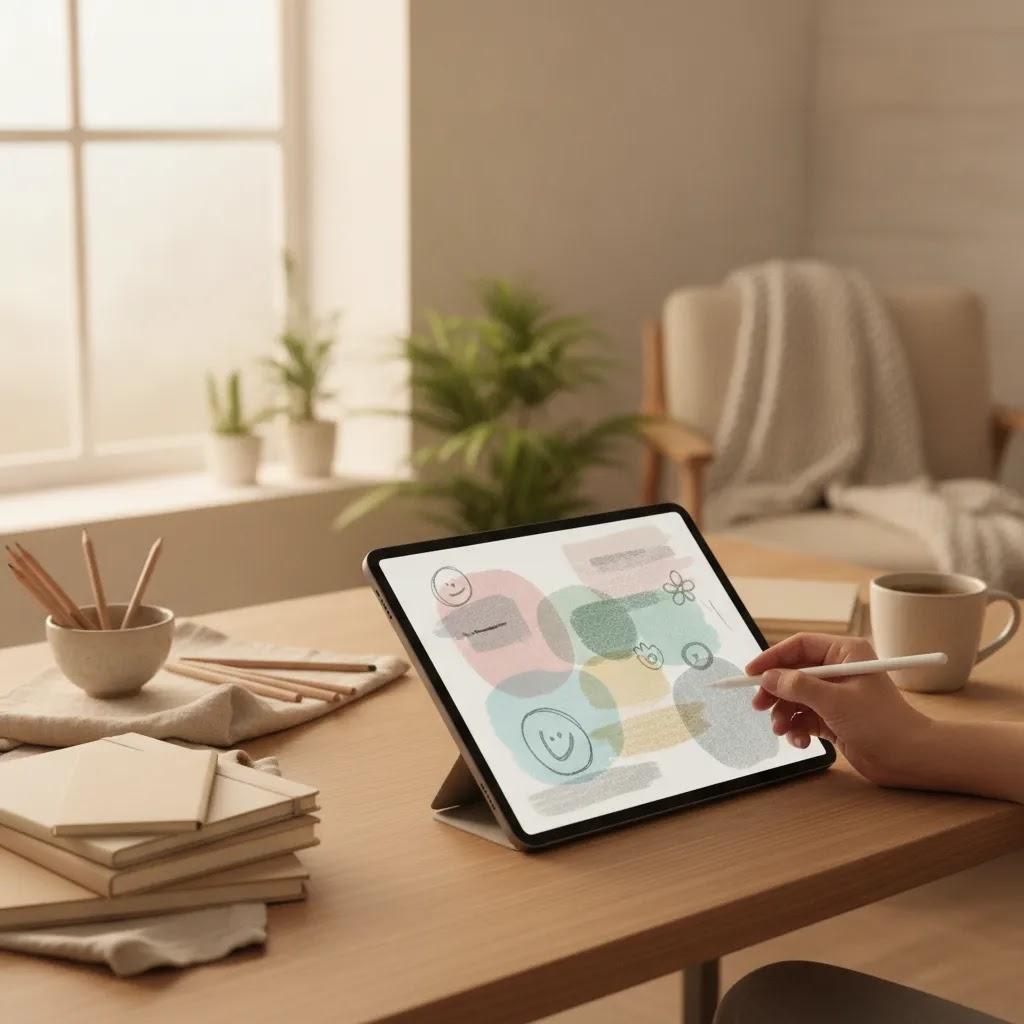
Explore digital art therapy activities for grounding, expression, and reflection, with beginner-friendly ideas, setup tips, pros and cons, and FAQs.
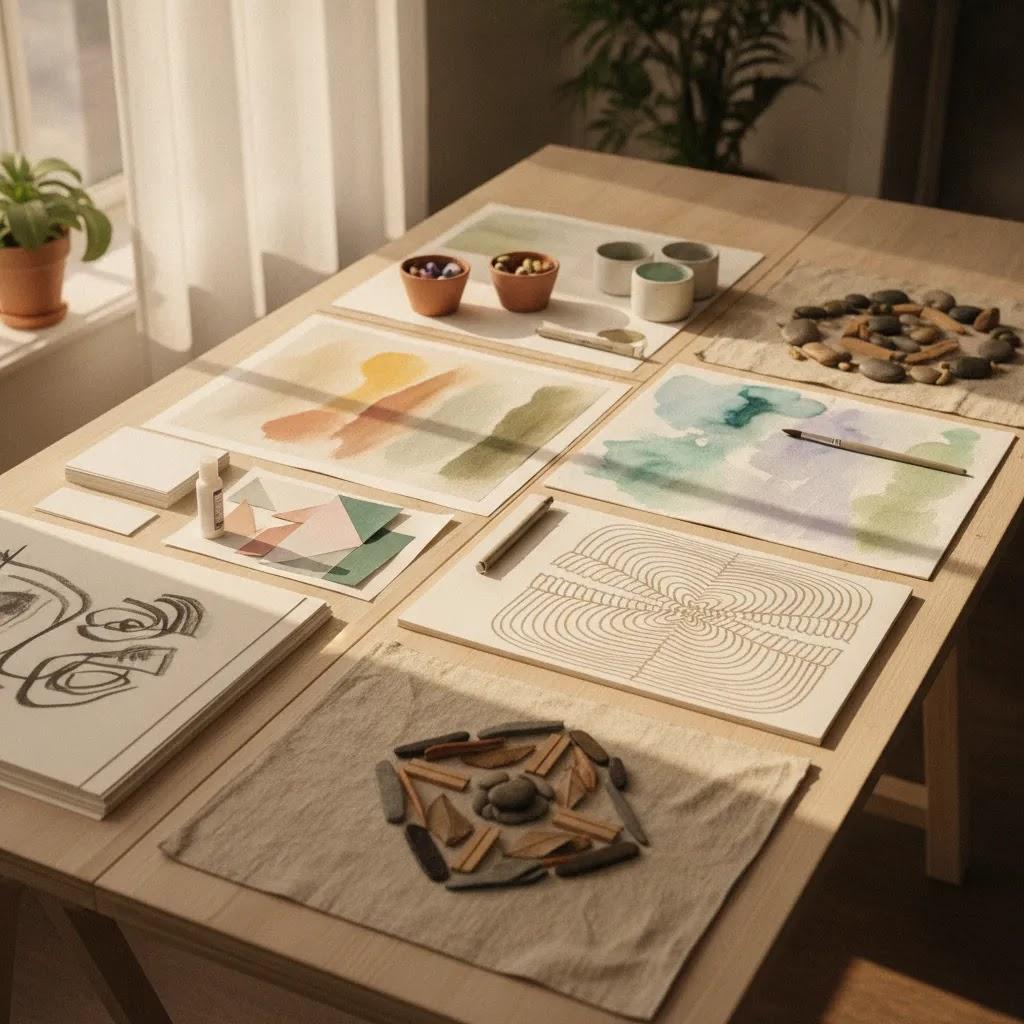
Art therapy approaches can support regulation, insight, or identity work. Compare 6 common approaches and when each may fit best.
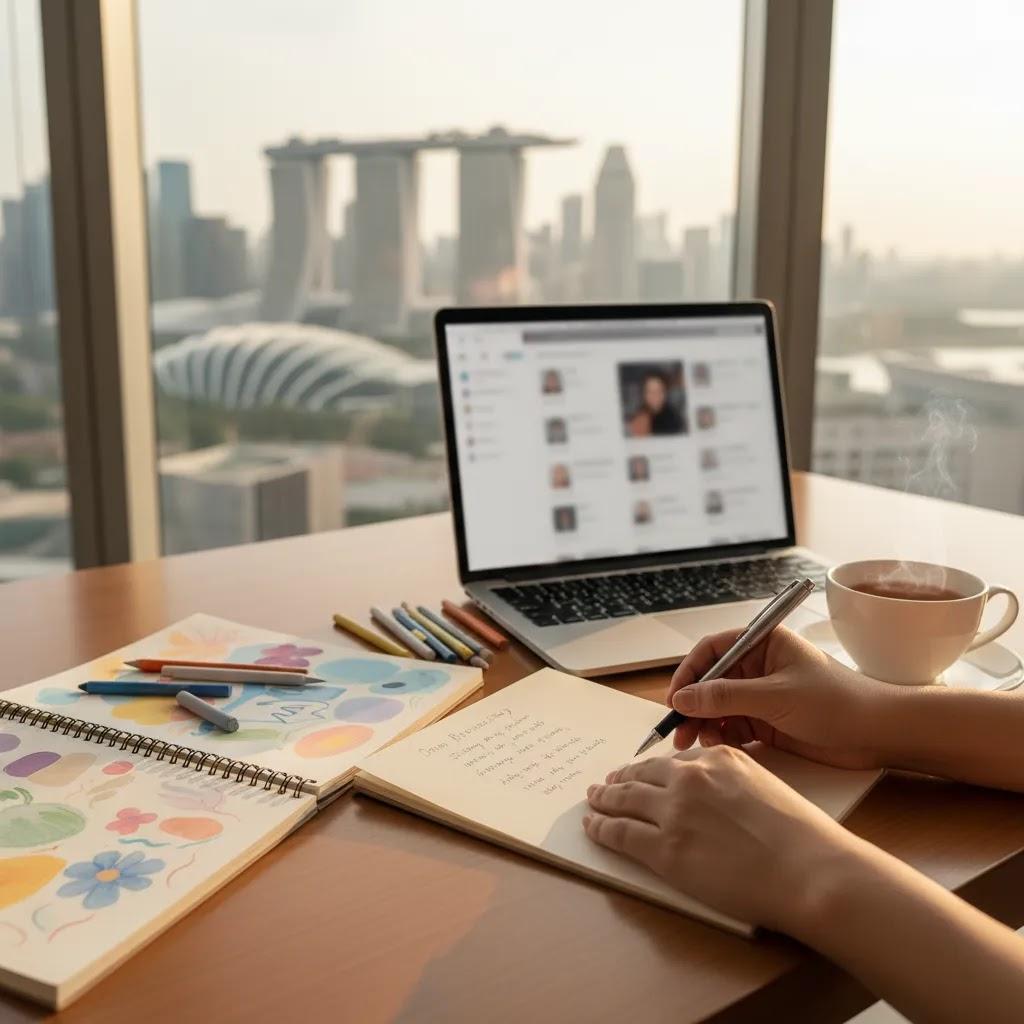
Learn how to find a qualified art therapist in Singapore in 2026, including credentials to verify, red flags, pricing, and FAQs.
Free art therapy in Singapore may exist via selective programs and referrals. Learn eligibility, typical costs, and budgeting tips.
Explore what Singapore’s art therapy growth signals may reveal about demand, access, cost pressure, credentials, and data limits in 2026.
Art therapy costs in Singapore typically run $120–$280 per private session. Compare group vs. individual pricing, tiers, and hidden fees.
What Reddit feedback reveals about art therapy in Singapore: fit, cost, credentials, groups vs 1:1, and how to read threads calmly.
Explore four mental health support pathways in Singapore: public care, private therapy, school/community help, and creative or digital options.
A plain-English guide to Singapore mental health study findings, what key numbers mean, age patterns, stress factors, and how to read surveys carefully.
Explore common mental health concerns in Singapore by age and life stage, plus practical first steps for support and care pathways in 2026.
Explore the benefits of art therapy for adults, from stress relief and emotional expression to trauma support, with realistic evidence-based insights.
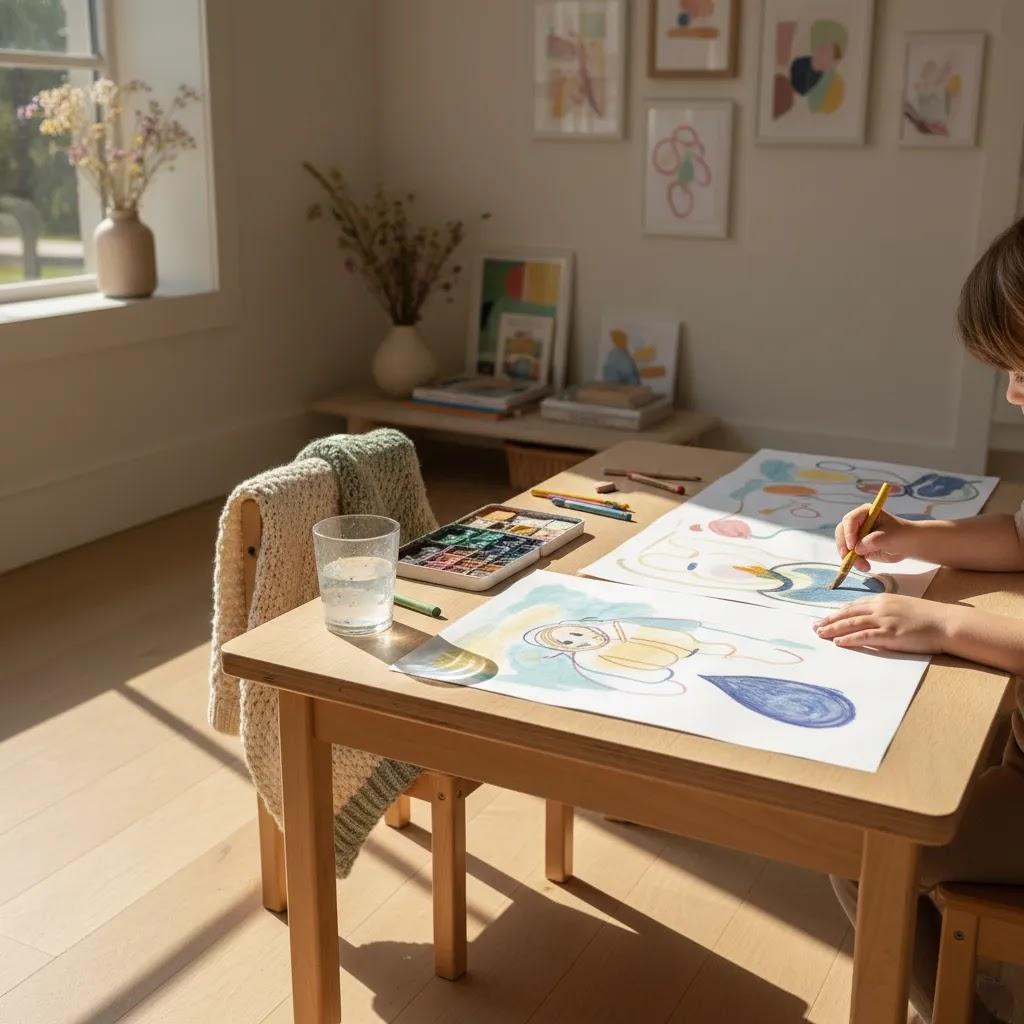
Learn about the benefits of art therapy and how they can support children differently than adults—through play, regulation, development & nonverbal expression.
A grounded 2026 guide to art therapy for teens: what it is, how sessions work, teen-friendly prompts, benefits, limits, and how to choose.
Learn how art therapy for depression works, what sessions can include, common techniques, research findings, and gentle ways to get started.
Explore art therapy for anxiety, including gentle techniques, beginner tips, and what current evidence suggests about how it may help.
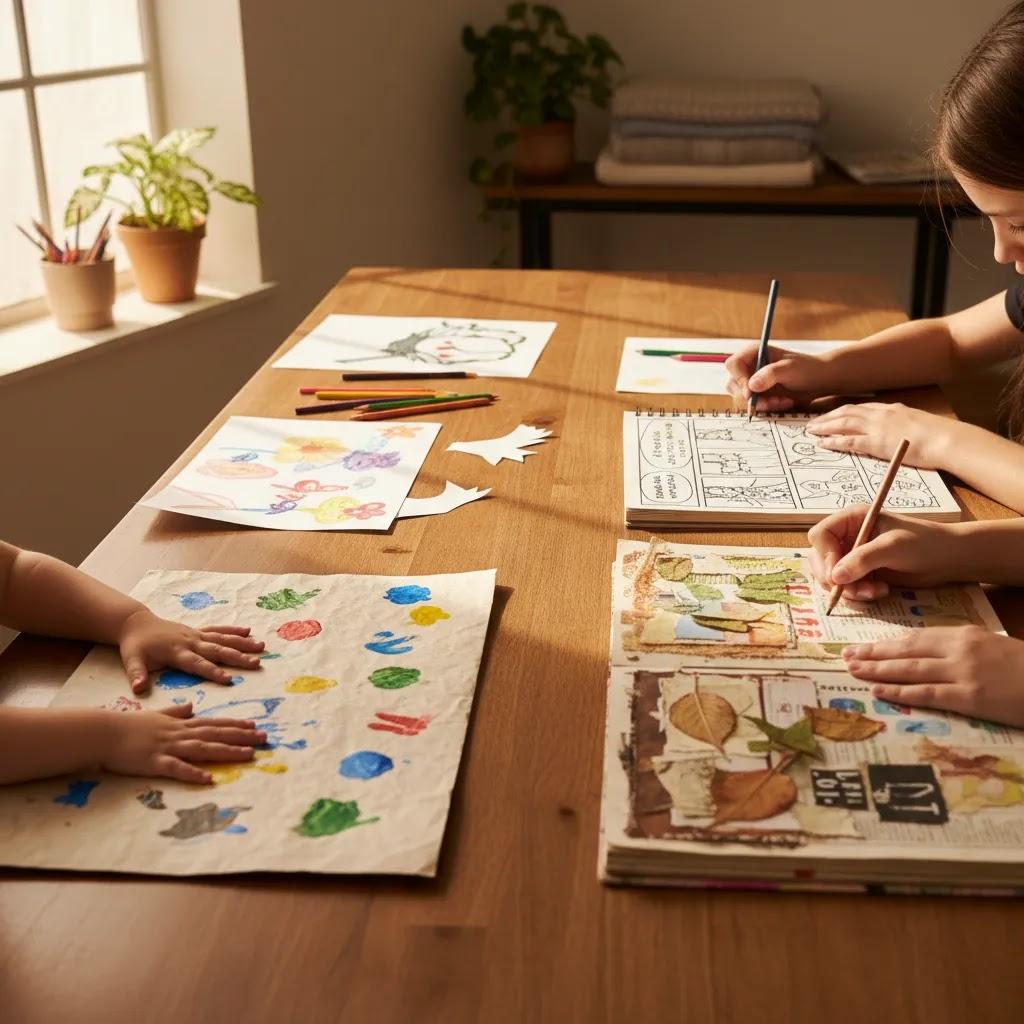
Age-based guide to art therapy for children (ages 3–17): sessions, materials, realistic outcomes, provider questions, and FAQs.
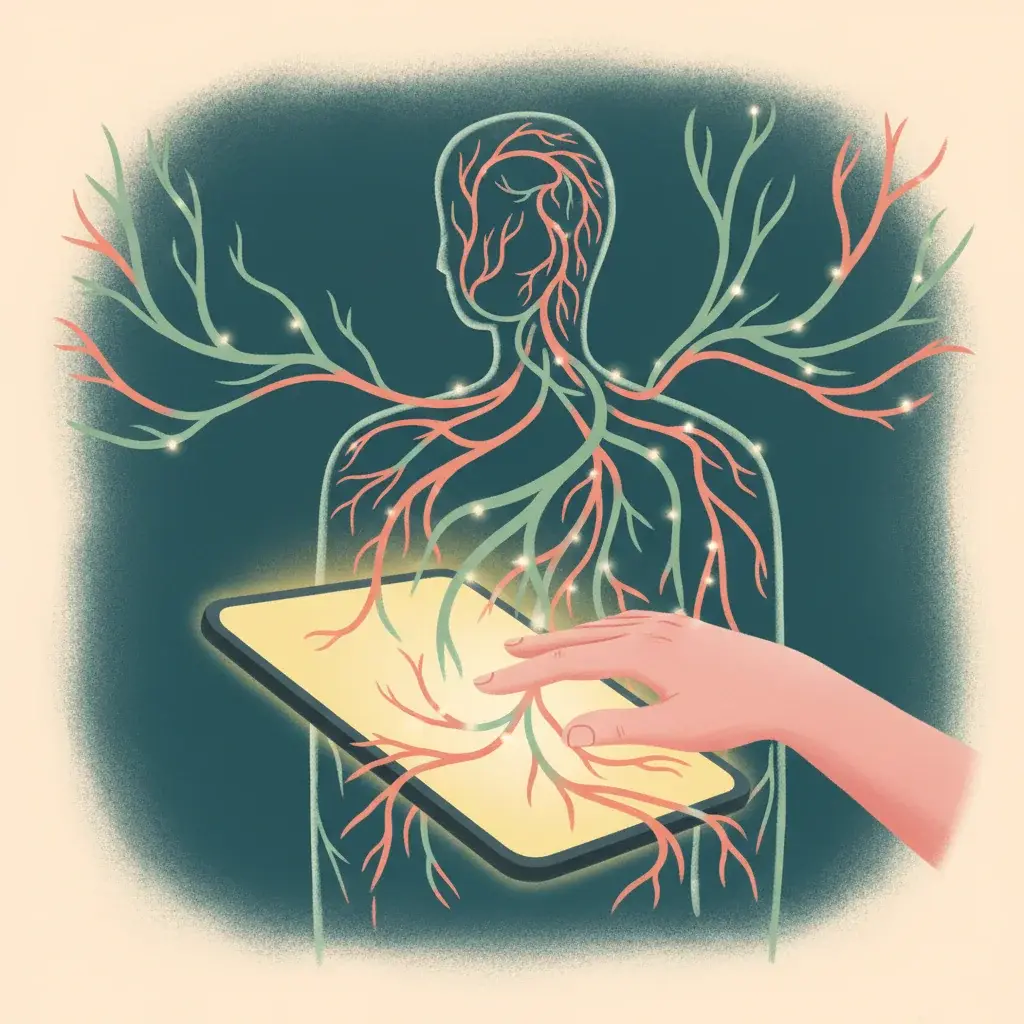
He's tried everything. The breathing app that tells him to inhale for four counts and exhale for six. The CBT worksheet that asks him to identify the "cognitive distortion" in his thinking. The positive affirmations taped to his bathroom mirror. N...
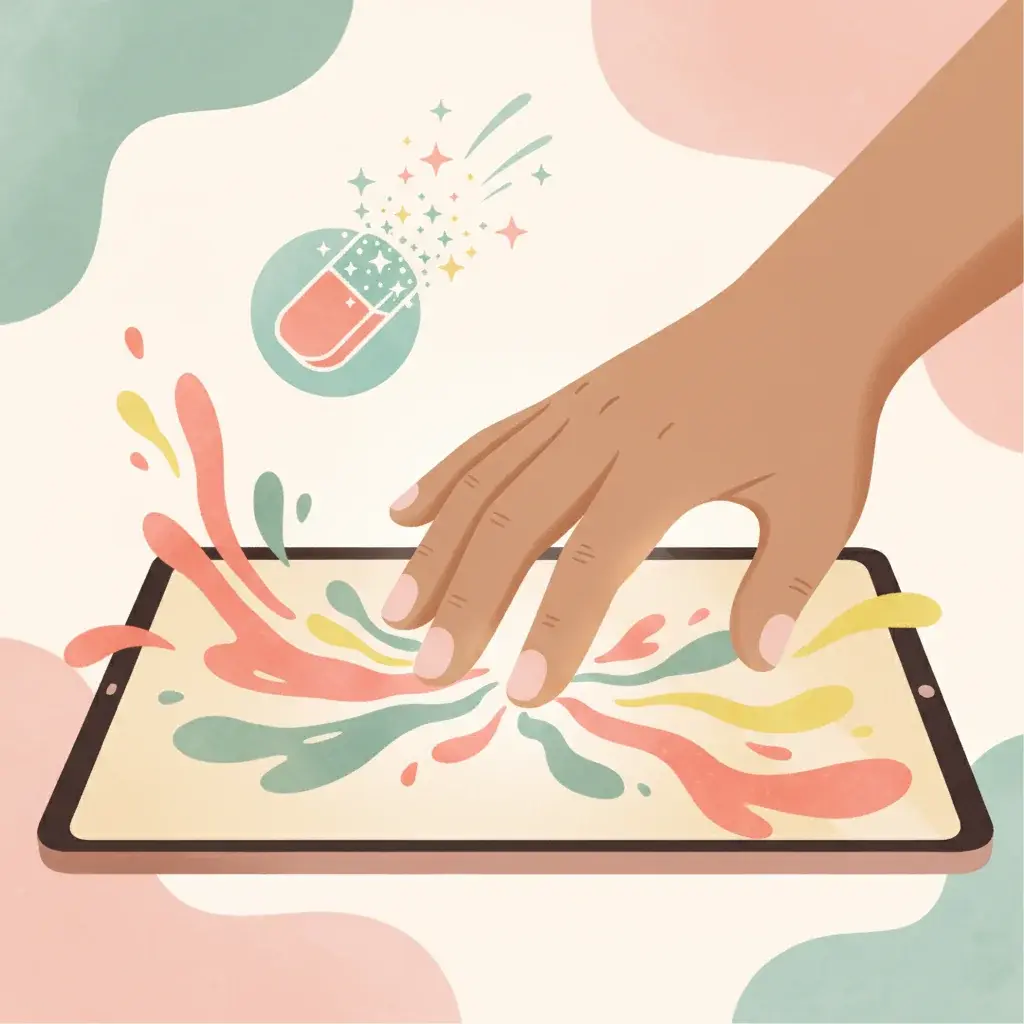
She hasn't picked up a paintbrush since the third grade. That was the year her teacher held up her painting of a tree and said, in front of the whole class, "That doesn't really look like a tree, does it?" She's 34 now. A project manager. Good at ...
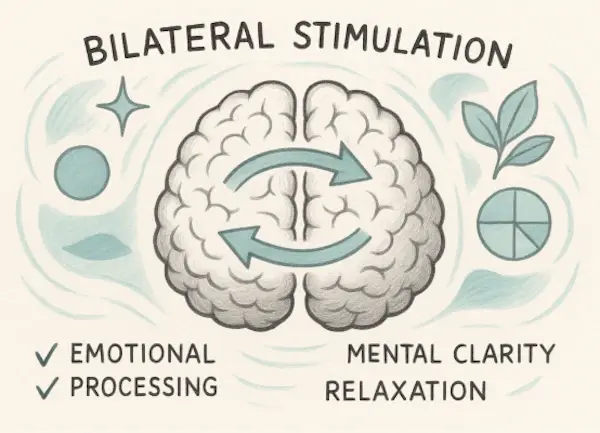
Art therapy, utilizing bilateral stimulation, offers a transformative approach to healing trauma by engaging both brain hemispheres. It allows individuals to process traumatic memories through symbols and artistic expressions.
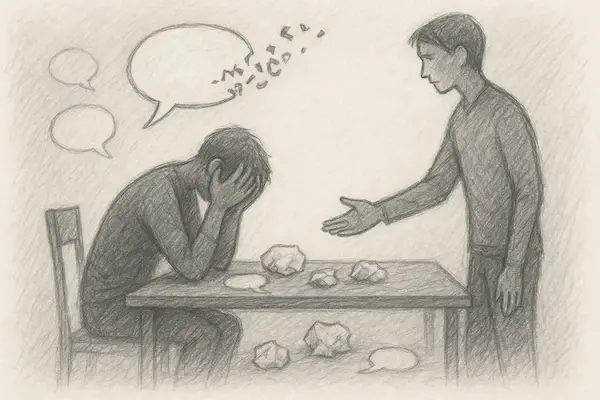
Post-traumatic stress disorder presents significant challenges in therapeutic settings, often defying conventional treatments like talk therapy. Bottom-up therapies provide a promising alternative by targeting the body's natural healing processes.
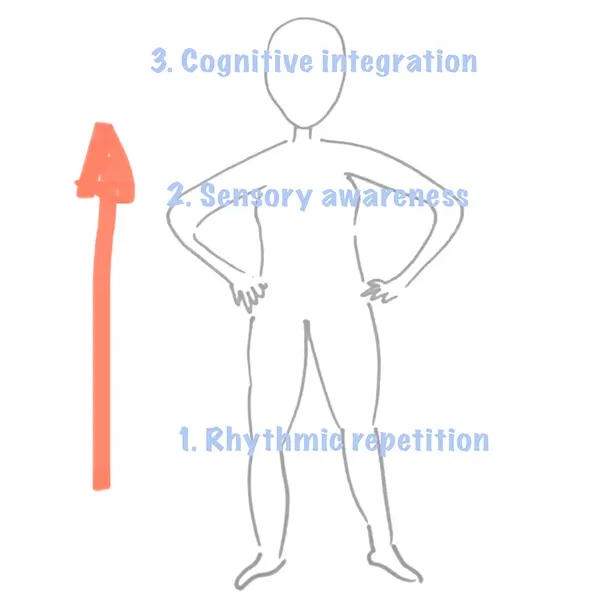
The bottom-up approach in art therapy focuses on healing through sensory and emotional experiences rather than verbal or cognitive processes. This approach is grounded in neuroscience and is particularly useful for individuals who have experienced trauma.
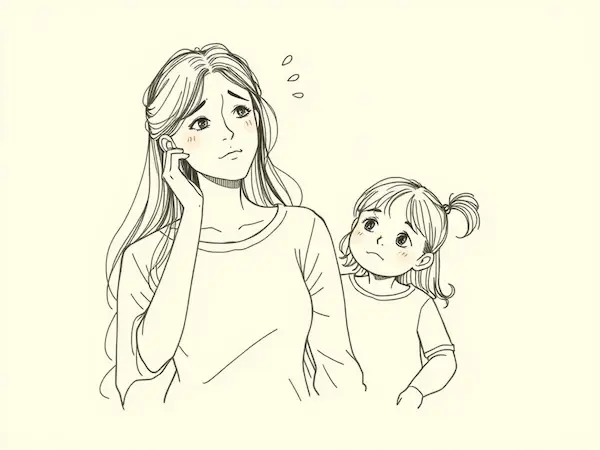
Art therapy serves as a valuable intervention for children who struggle with socialization, anxiety or depression. It provides a safe, non-threatening environment where they can explore their emotions and build confidence.
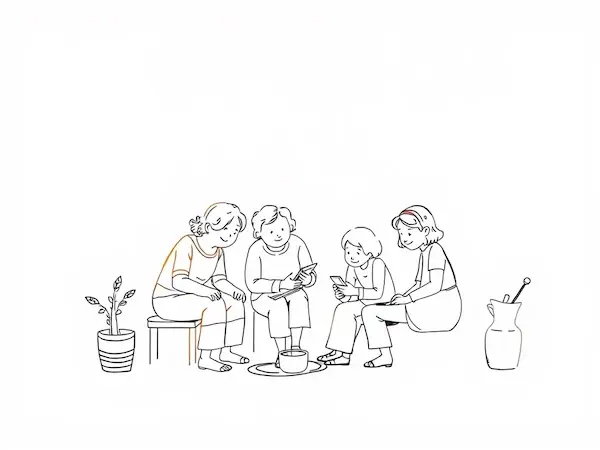
Art therapy, originating in ancient times, formally emerged in the mid-20th century. It has grown significantly, utilized in various settings including hospitals, schools, mental health clinics, and prisons worldwide.
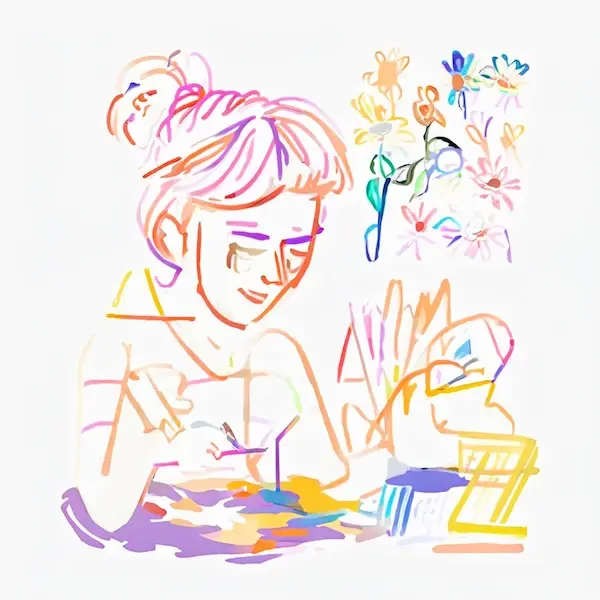
Art therapy has evolved from a child-centric approach to an effective mental health treatment for adults facing anxiety and depression. This article examines the specific application and benefits of art therapy for adults.
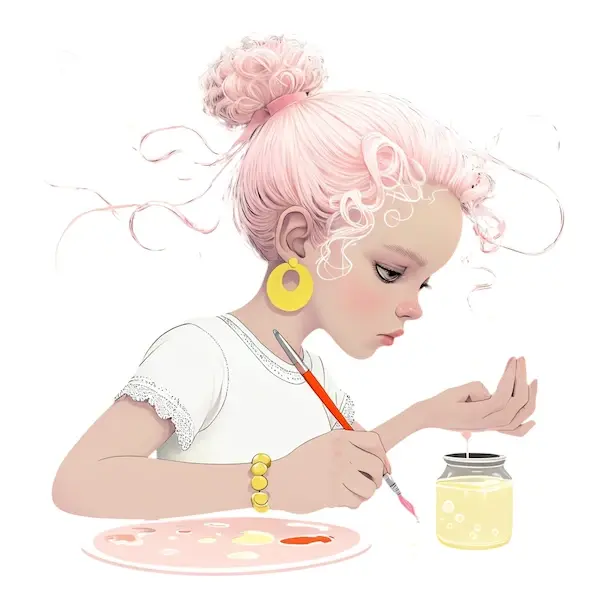
The article explores art therapy's effectiveness in diagnosing depression among youths, emphasizing its non-verbal approach that resonates with children's natural modes of expression.

Art therapy, particularly through drawing emotions as weather phenomena, helps individuals express complex feelings. This method lets users externalize, communicate, and reflect on their emotional experiences.
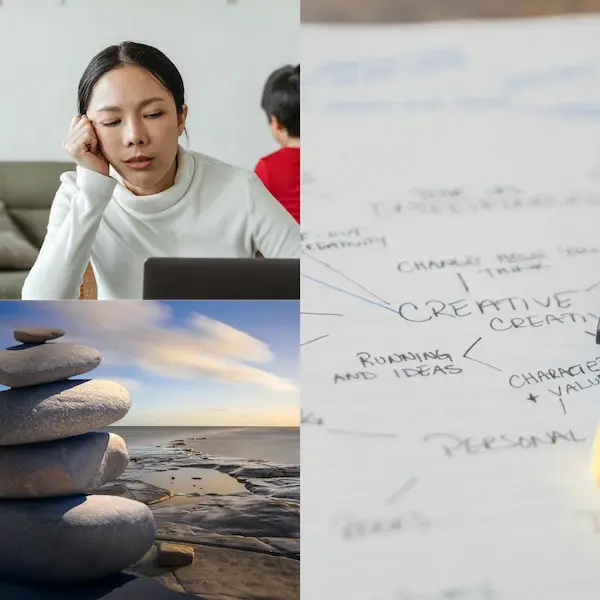
Mind mapping is an effective technique for reducing anxiety by enhancing cognitive clarity, managing overwhelming thoughts, and facilitating emotional expression through visual organization.
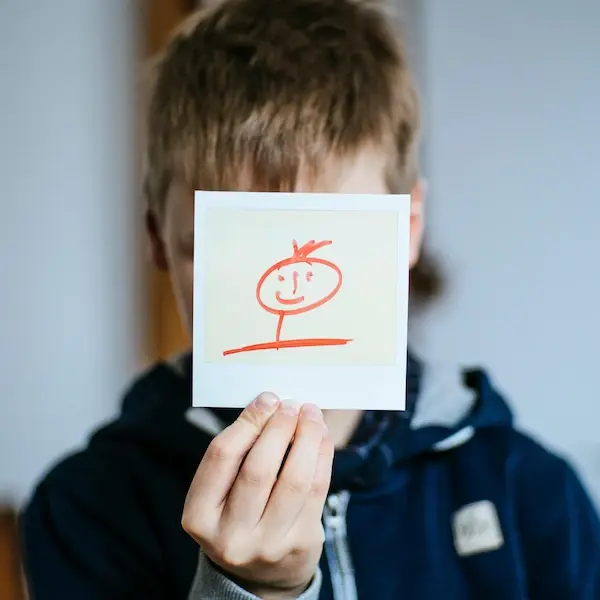
Art therapy isn't about being a professional artist. It's all about expressing yourself and exploring your feelings. No one's judging your skills—embrace the messiness and let yourself experiment.
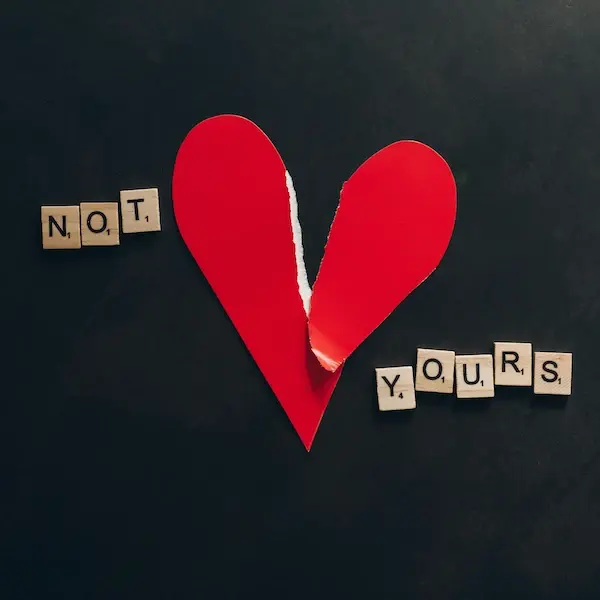
In the aftermath of heartbreak, the author explores the healing power of art therapy to confront emotional turmoil. Initially seeking distraction, she discovers that creating art provides a channel for processing grief.
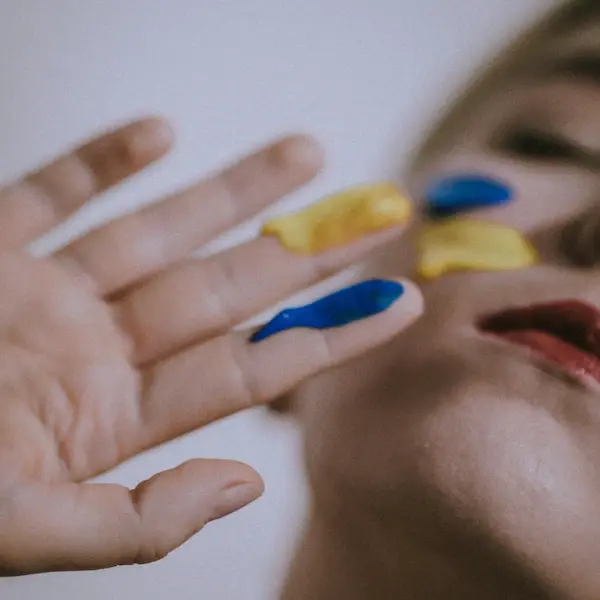
Sensory engagement in art therapy fosters emotional expression and exploration, allowing individuals to connect with feelings, thoughts, and memories. Combining traditional and digital art can enhance therapeutic benefits.
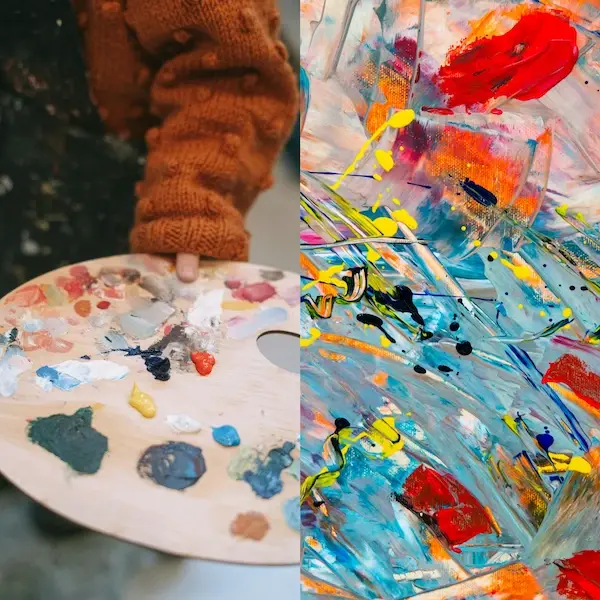
Both the creative process and the resulting artwork serve complementary roles in art therapy, enhancing self-awareness, fostering emotional resilience, and facilitating meaningful dialogues.
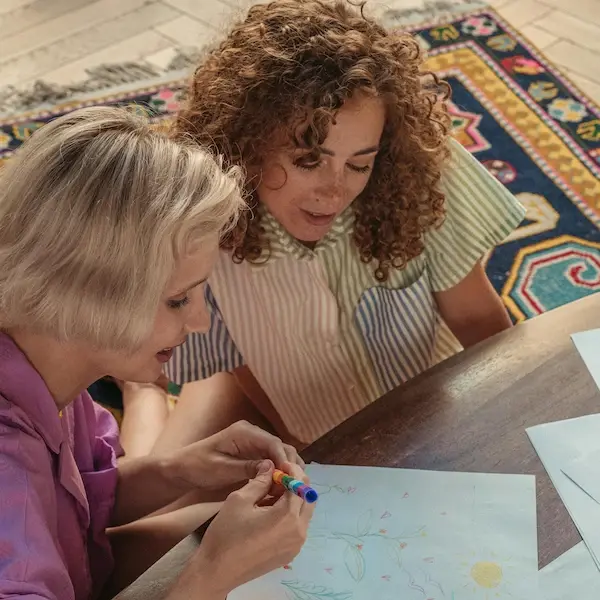
Partnering with an art therapist can take your personal journey to a whole new level with expert guidance. An art therapist helps you explore deeper meanings behind your creative choices and emotional landscapes.
MA in Art Therapy
University of Hertfordshire, 2019
Diploma Programme in Drawing and Painting
The Chiese University of Hong Kong, 2017
Advanced Certificate in Psychology
HKU SPACE Community College, 2015
English Studies and Fine Arts
The University of Hong Kong, 2006
Get personalized art therapy guidance through the Daily Lemons app.
