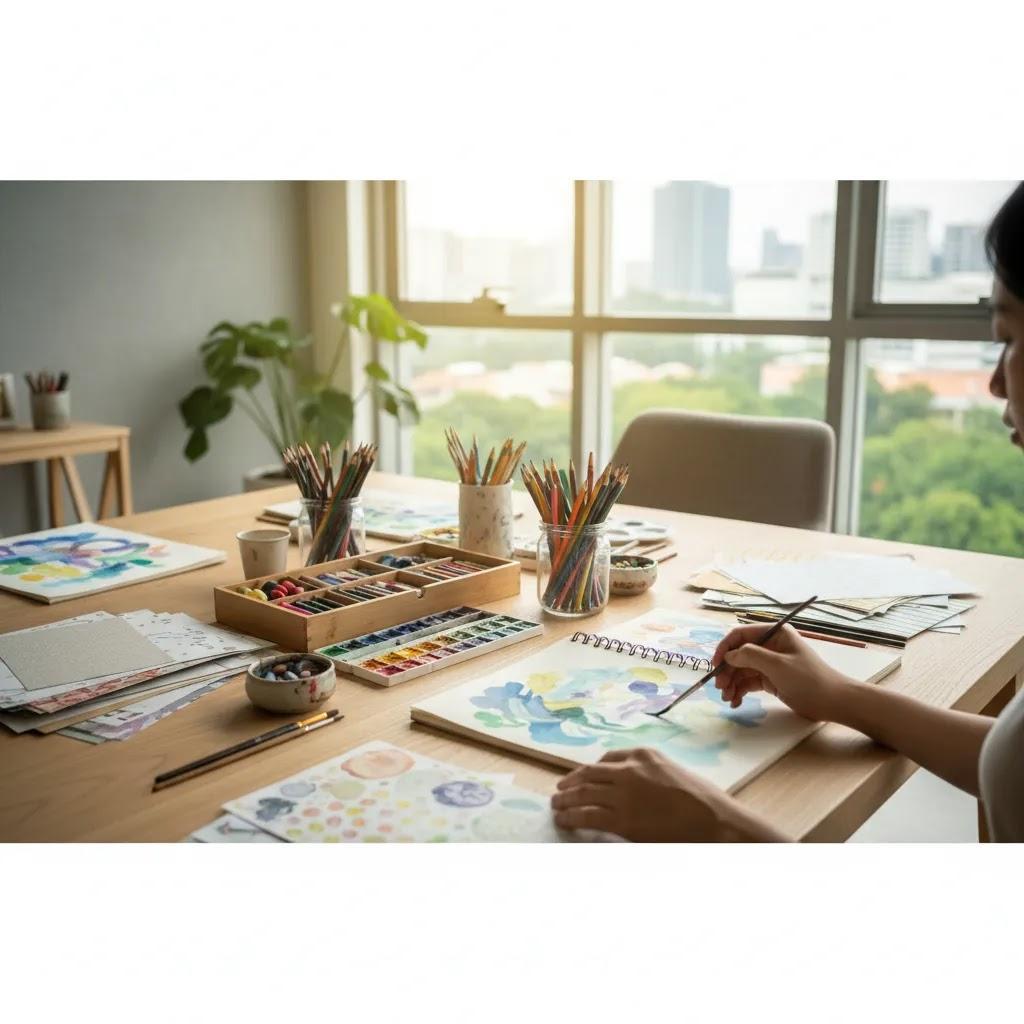
If you are curious about art therapy singapore options for adults, you may be wondering what actually happens once you walk into a session. That question matters. Many people are open to creative support, but still feel unsure about the setting, the materials, the pace, or whether they need to be “good at art” for it to help. In Singapore, adult art therapy can look quite different depending on the therapist, the format, and what kind of support you want. Some sessions are quiet and reflective. Others are more guided and structured. This guide focuses on the adult experience specifically, so you can get a clearer picture of what sessions may feel like, who they may suit, and what to look for before booking your first appointment.
What Adult Art Therapy Usually Looks Like
Adult art therapy in Singapore is often built around a simple idea: creating something can help you notice, express, and reflect on feelings that may be hard to explain out loud. A session is usually guided by a trained art therapist, not an art teacher. The goal is not to produce a polished piece of work. The focus is on process, meaning, and emotional exploration.
For adults, sessions often begin with a check-in. You may talk briefly about how you have been feeling, what has been heavy lately, or what brought you in. After that, the therapist may offer materials such as pencils, paint, oil pastels, markers, collage pieces, or clay. Sometimes the prompt is open, such as drawing how your week felt. Sometimes it is more structured, such as creating a safe place image or mapping stress through color and shape.
Many adult clients want to know if they need artistic skill. You do not. In fact, simple shapes, color blocks, and abstract marks are common. The value often comes from what you notice while creating and what the image helps you say afterward. If you are still comparing formats, our guide to benefits of art therapy for adults can help you understand why this approach feels useful for many people.
Art therapy vs art classes and workshops, what it is and what it is not
Here’s the thing: in Singapore you will sometimes see “art therapy,” “expressive art,” “creative wellness,” and “art workshops” used in ways that sound similar, even though the experience can be very different.
In psychotherapy-based art therapy, the session is held by a trained art therapist and includes therapeutic intent. That usually means there is some form of assessment, emotional check-in, and reflection. The artmaking is not just a relaxing activity. It is part of a larger process of noticing patterns, making meaning, and exploring what feels difficult to put into words. The pace is typically shaped around your emotional safety, and the therapist’s role is to support you through what comes up.
Art classes and studio workshops are usually skill-based or activity-based. The goal might be learning watercolor techniques, producing a finished piece, or enjoying a creative social experience. That can be genuinely supportive for well-being, and it can be a great choice if what you want is structure, community, and a clear creative outcome. The difference is that a workshop facilitator is not necessarily there to hold therapeutic material, or to guide personal processing in a clinical way.
What many people overlook is that both can help, just in different ways. If you want a calm creative outlet and light conversation, an art class may fit. If you want guided self-exploration, a reflective expressive arts session might fit. If you want support with deeper emotional patterns, grief, trauma history, or persistent overwhelm, therapy-based art therapy could be the more appropriate lane.
From a practical standpoint, a few cues can help you choose:
- If you want emotional support and a confidential therapeutic setting, look for art therapy led by a trained art therapist.
- If you want a creative reset with low emotional intensity, a workshop or studio class may be a better match.
- If you are unsure, ask what portion of the session involves reflection and how the facilitator handles difficult feelings if they arise.
Top Picks at a Glance
- Private one-on-one sessions: Best if you want privacy, deeper reflection, and a pace shaped around your own experiences.
- Adult group sessions: Best if you want gentle structure, shared creative space, and a lower-pressure starting point.
- Short-term themed programs: Best if you are looking for support around stress, burnout, grief, or major life transitions.
- Studio-style expressive sessions: Best if you feel more comfortable creating first and talking later.
- Beginner-friendly exploratory sessions: Best if you are unsure where to start and want a soft introduction without pressure.
Art Therapy Costs in Singapore (Adults): What to Expect
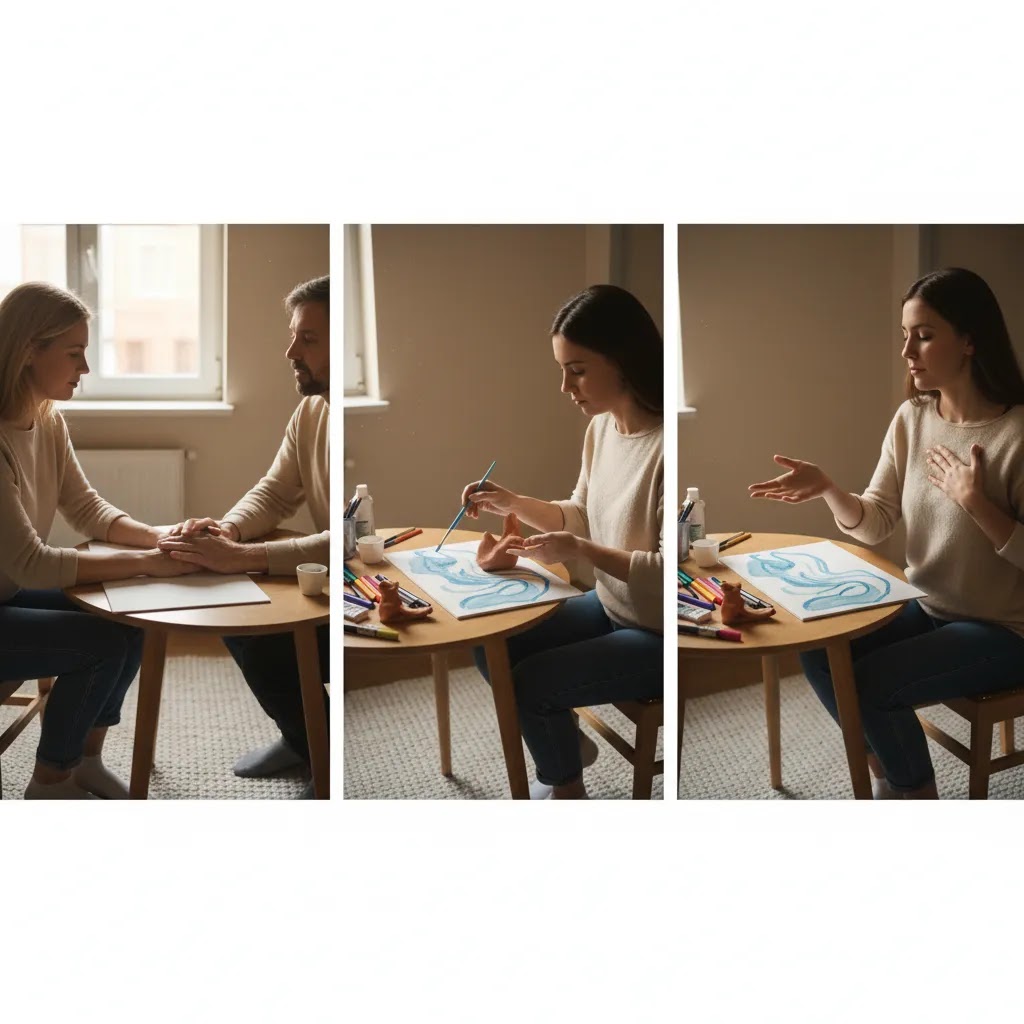
Cost is one of the biggest practical questions, and it is also one of the hardest to answer in a single number. Adult art therapy pricing in Singapore typically varies by setting, session length, and the therapist’s training and experience.
As a broad starting point, private one-on-one sessions for adults are often priced somewhere around $150 to $300+ per session. Group sessions are typically lower per person, commonly around $60 to $150 per session, depending on group size, whether materials are provided, and whether the group is a drop-in or a closed series. Some specialized providers, longer sessions, or niche offerings may sit above these ranges.
Consider this: the number you see listed is not just “time with a therapist.” A few factors commonly affect pricing:
- Session length, many adult sessions are 60 to 90 minutes, and longer sessions often cost more.
- Therapist credentials and experience, including advanced training, supervision background, and adult specialization.
- Clinic overhead and location, central areas and private clinics may have higher operating costs.
- What is included, some providers include materials, storage for your artwork, or a more structured program design.
- Format complexity, themed programs or trauma-informed work may involve more preparation and clinical planning.
Now, when it comes to payment structures, many providers offer a few common options:
- Initial consultations: Some clinics offer a brief phone consult, a first session intake, or a separate assessment session. It may be priced the same as a standard session, or slightly different, depending on how much time is allocated.
- Packages: You may see bundles like 4 to 8 sessions at a slightly reduced rate, or with a defined theme. Packages can be helpful if you already feel confident about fit, but you can still ask what happens if you realize the approach is not right for you after session one or two.
- Cancellation policies: Many providers have a 24 to 48 hour cancellation window, and late cancellations may be charged in full or partially. This is especially common for private sessions where the slot cannot be easily filled.
Before you pay, it can help to ask a few simple questions that protect your budget and your expectations:
- How long is the session, and how is time usually split between artmaking and reflection?
- Are materials included, or do I need to bring anything?
- Is the first appointment a standard session or an assessment intake?
- If I book a package, what is the refund or transfer policy if I need to stop?
- What is the cancellation and rescheduling policy, and what counts as “late”?
If private sessions are out of reach right now, lower-cost pathways sometimes exist, although availability can change. Some adults start with community programs, nonprofit offerings, student-led clinics under supervision, or occasional workshops that introduce therapeutic artmaking in a lighter way. Short programs can also be a more manageable entry point than open-ended weekly therapy. The reality is that these options may come and go, and eligibility criteria may apply, so it is worth checking current details directly with the organizer.
Common Adult Session Formats in Singapore
1. Private One-on-One Art Therapy
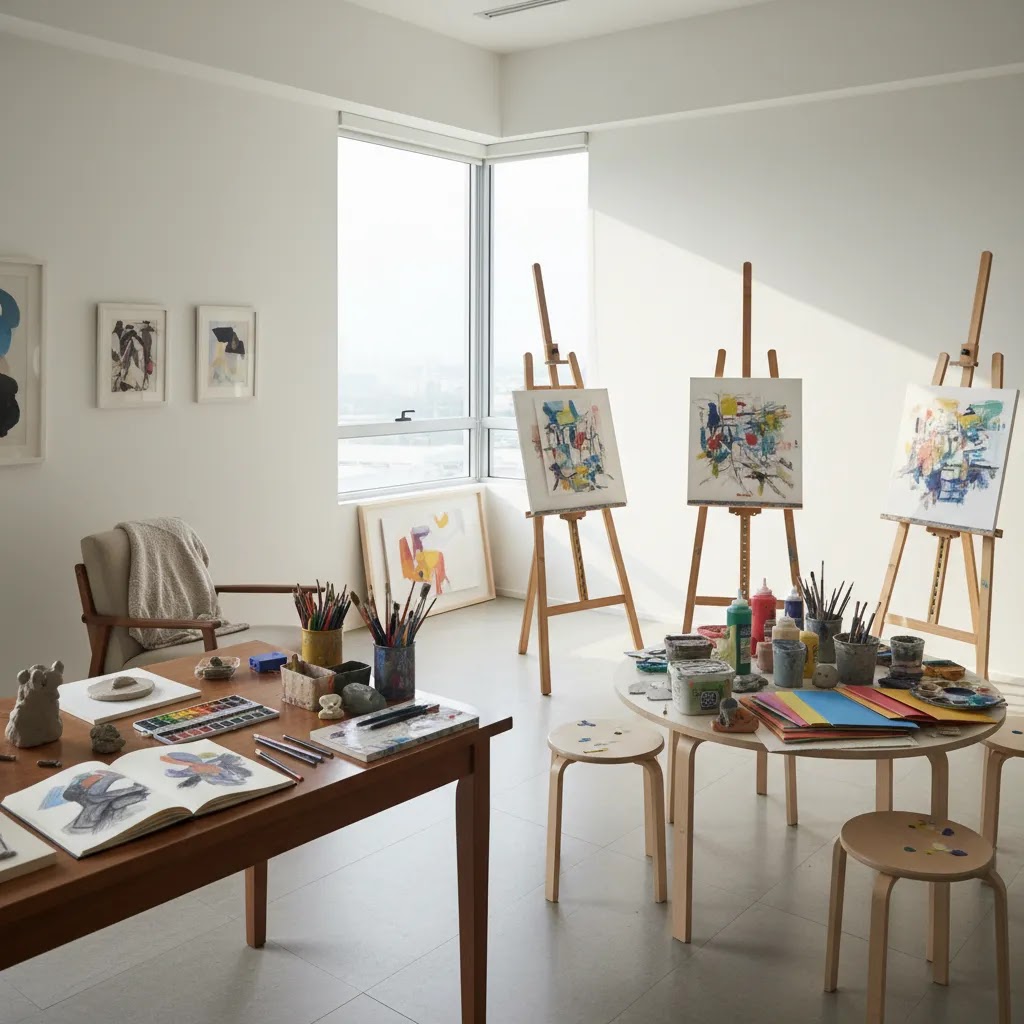
This is often the most personalized format. You meet individually with an art therapist in a quiet room, usually with a table, art supplies, and enough space to work without feeling rushed. Sessions commonly include a short verbal check-in, 20 to 35 minutes of artmaking, and time to reflect on the image, symbols, or sensations that came up.
This format may suit you if you are dealing with stress, grief, emotional overwhelm, identity questions, burnout, or relationship changes and want privacy while you sort through it. It can also work well if you tend to shut down in direct conversation and find it easier to begin with color, texture, or movement on paper.
Things to know: one-on-one work is usually the most flexible, but it may also be the most expensive format. It can feel intense at first if you are not used to focusing on your inner experience for a full session.
2. Adult Group Art Therapy
Group sessions are usually smaller and more contained than a casual art workshop. They often start with a welcome round, a shared prompt, individual artmaking time, and optional reflection at the end. You are not always required to speak in depth. In many groups, sharing is invited, not forced.
For some adults, this setting feels less intimidating than private therapy because the creative task gives the session a clear structure. It may also help if you feel isolated and want to be around others without needing to explain everything directly.
Things to know: groups can vary widely in tone. Some are highly reflective. Others lean more educational or skills-based. Ask whether the group is closed or open, how many people attend, and whether the focus is emotional support, self-exploration, or a specific life issue.
3. Themed Programs for Stress, Burnout, or Life Transitions
Adult-specific programs in Singapore often center on a theme rather than a broad open-ended approach. You may find short series focused on stress relief, emotional regulation, work burnout, grief, motherhood, caregiving, or self-discovery. Sessions tend to follow a clearer arc from week to week.
A typical themed session may include grounding, a prompt linked to the topic, time to create, and a short reflection. For example, in a burnout-focused group, one session might explore where your energy goes, while another looks at boundaries, rest, or the difference between numbness and exhaustion.
Things to know: themed programs can feel easier to commit to because the purpose is clearer. The tradeoff is that they may be less individualized than private sessions.
4. Studio-Style or Open Expressive Sessions
Some adults feel uneasy with direct prompts or too much verbal structure. Studio-style sessions are often a better fit for that. You may be invited to choose your own materials, follow what draws your attention, and create with minimal interruption before discussing anything that stands out.
This can be helpful if you are visually oriented, neurodivergent, creatively blocked, or simply tired of approaches that ask you to explain your emotions before you are ready. The session may feel spacious and less performative.
Things to know: this format can feel freeing, but it may also feel too open if you prefer clear guidance. If structure helps you feel safe, ask whether prompts can be offered when needed.
5. Beginner-Friendly Introductory Sessions
Some adult programs are designed for people who are completely new to art therapy. These usually keep the first session simple. You might start with materials that feel easy to use, like markers, soft pastels, or collage, rather than techniques that require skill. Prompts are often concrete and approachable, such as drawing your current state using colors or choosing images that match your mood.
These sessions may suit you if you feel self-conscious, skeptical, or worried that you will “do it wrong.” They can also help if you want to test whether creative emotional work feels more natural than journaling or meditation.
Things to know: if you are researching qualifications as well as format, our article on finding an art therapist singapore readers can trust may help with the next step.
Pros and Cons
Strengths
- It gives adults a non-verbal way to explore emotions that may feel hard to name directly.
- Sessions can be adapted for different comfort levels, from highly guided to more open and expressive.
- You do not need artistic skill, training, or confidence with art materials to participate meaningfully.
- Adult-specific programs often connect well with common life experiences such as burnout, caregiving strain, grief, relationship changes, or identity shifts.
- Group formats can offer shared space and structure without requiring intense conversation from the start.
Considerations
- The experience can vary a lot between therapists and settings, so asking about session style matters.
- Private sessions may cost more than general wellness workshops or community-based programs.
- If you strongly prefer verbal problem-solving, art-based work may feel unfamiliar or slow at first.
- Some adults need more structure than an open studio approach provides, while others may find highly guided prompts too limiting.
Who Adult Art Therapy May Suit
Adult art therapy may be a good fit if words feel crowded, distant, or simply unavailable. It can suit adults who are emotionally reflective, creatively curious, or tired of approaches that feel too clinical or too performance-driven. It may also help if you tend to intellectualize everything and want a slower, more sensory way to notice what is going on inside.
You may especially appreciate this format if you are moving through stress, grief, heartbreak, burnout, insomnia, or emotional overwhelm. Some people also prefer it because it offers visible structure. A page, a set of colors, or a collage prompt can feel easier to begin with than a blank journal. If budget is a concern, it may also be worth exploring free art therapy singapore options and lower-cost community formats.
A Gentle Place to Keep Exploring
If you are still figuring out what kind of support feels right, DailyLemons can be a calm place to continue. You might start with our broader Art Therapy Singapore resources to understand local options, then explore Art Therapy Fundamentals if you want a softer introduction to how creative emotional support works. Our content is designed to help you compare approaches side by side, notice what feels beginner-friendly, and move at your own pace.
You do not need to force clarity all at once. Sometimes it helps to read a little, notice what feels comforting or practical, and take the next step when you are ready.
How to Choose the Right Adult Art Therapy Option
The best adult art therapy format is usually the one that matches your comfort level, your reason for seeking support, and the amount of structure you want in the room. A few criteria can make that decision clearer.
1. Session format and pace
Ask whether sessions are one-on-one, group-based, short-term, ongoing, themed, or open studio. Also ask what a typical session includes. Some adults want a strong beginning-middle-end structure. Others want space to create quietly and reflect later. Neither preference is wrong. Fit matters more than intensity.
2. Therapist style
Two therapists can both be well trained and still work very differently. One may use more prompts and reflection questions. Another may be quieter and more process-led. If you are new, it helps to ask how they work with adults specifically and what a first session tends to feel like.
3. Materials and comfort level
Different materials create different experiences. Collage can feel accessible and low pressure. Paint may feel freeing for some people and messy for others. Clay can feel grounding and physical. If you have sensory preferences, mobility considerations, or strong likes and dislikes, mention them. Adult sessions can often be adapted.
4. Practical cost and commitment
Some people benefit most from weekly sessions. Others prefer a short introductory series before committing further. Ask about fees, package expectations, group versus private pricing, cancellation policies, and whether the program is designed as a one-time experience or a longer process. Art therapy may be deeply worthwhile, but it should also be realistic for your time and budget.
5. Emotional fit
This is the most personal factor. After reading a program description or speaking with a therapist, ask yourself a quiet question: do I feel slightly more at ease, or more tense? You are not looking for certainty. You are looking for enough safety and curiosity to begin. That is often a better guide than finding the “perfect” option on paper.
Credentials and Professional Standards in Singapore (How to Vet an Art Therapist)
What many people overlook is that “art therapy” can sound informal, even when the work itself is serious. If you are paying for adult art therapy, it is reasonable to ask about training and ethical standards. You are not being difficult. You are doing careful decision-making.
In Singapore, ethical art therapy practice commonly involves postgraduate, master’s-level training in art therapy (or an equivalent recognized pathway), plus supervised clinical hours. Many therapists also continue professional development over time, which may include advanced training, ongoing supervision, and specific learning around areas like trauma-informed practice, neurodiversity, or group facilitation.
You may also see therapists reference professional bodies. Two names that often come up are the Art Therapists’ Association Singapore (ATAS) and credentialing bodies such as ANZACATA. Being a member of a professional association can be a credibility signal, because it may imply alignment with a code of ethics and continuing education expectations. Being “credentialed” can also signal that a person has met certain training and supervision requirements.
At the same time, membership labels are not a guarantee that a therapist is the right fit for you, or that every session will feel safe and supportive. Credentials can tell you about training. They do not automatically tell you about style, pacing, or how well someone works with adult concerns like burnout, grief, relationship stress, or shutdown.
If you want a simple way to vet a provider before committing, these questions are often more useful than reading a long bio:
- What is your art therapy training background, and where did you complete it?
- Do you work mostly with adults, and what are common reasons adults come to you?
- Do you receive clinical supervision or consultation, especially for complex cases?
- What ethical guidelines do you follow, and what are the confidentiality boundaries in your setting?
- How do you handle difficult emotions if something intense comes up during artmaking?
- What does a first session typically look like, and how do you adapt for someone who feels unsure?
If you have specific needs, such as trauma history, sensory sensitivity, or neurodivergence, it can help to ask directly how they adapt sessions. A thoughtful provider should be able to describe their approach without making big promises about outcomes.
Frequently Asked Questions
What is art therapy for adults in Singapore?
It is a guided process where adults use creative materials such as drawing, painting, collage, or clay to explore feelings, stress, life transitions, and inner experiences. In Singapore, sessions may be offered privately or in groups. The focus is usually not artistic skill. It is more about expression, reflection, and what the creative process helps you notice.
Do I need to be good at art to try it?
No. Adult art therapy is usually designed for people with all levels of art experience, including none at all. Many sessions use simple prompts and easy materials. Stick figures, abstract colors, or cut-out images can be enough. The value comes from the process and the meaning you make from it, not from producing something polished.
What happens in a first adult art therapy session?
A first session often starts with a gentle conversation about what brought you there and how comfortable you feel with artmaking. You may then be offered a simple prompt or invited to choose materials freely. After creating, there is usually time to reflect. You may talk about colors, symbols, sensations, or memories that came up during the process.
How long does an adult session usually last?
Many adult sessions run around 45 to 90 minutes, depending on the provider and format. Private sessions may allow more time for both artmaking and reflection. Group sessions often follow a set schedule. If you like knowing what to expect, it is reasonable to ask how the time is divided between talking, creating, and discussion before booking.
Is adult art therapy more structured or more freeform?
It can be either. Some therapists offer clear prompts and step-by-step containment, which can feel helpful if you are anxious or new to the process. Others work in a more open studio style, where you choose materials and create more intuitively. Adult programs in Singapore often vary by therapist style and by the purpose of the session or group.
How often should adults attend art therapy?
That depends on your goals, budget, and the type of support you want. Weekly sessions are common for people who want continuity and a deeper process. Short-term themed groups may meet for a set number of weeks. Some adults start with one session to see how it feels, then decide whether an ongoing rhythm makes sense for them.
Can art therapy help with stress and burnout?
It may help some adults notice stress patterns, express overload in a non-verbal way, and create space for reflection. Many people find the sensory and visual elements soothing or clarifying. Still, experiences vary. Art therapy is not a guaranteed fix, and the right support depends on your situation, preferences, and whether you want private or group-based care.
How do I choose between individual and group sessions?
Private sessions may suit you if you want privacy, more personalized pacing, or space to focus on complex emotions. Group sessions may suit you if shared structure feels comforting or if you want a gentler starting point. If you are unsure, ask what the session looks like in practice. That usually tells you more than the label alone.
Are there lower-cost ways to try art therapy in Singapore?
Sometimes, yes. Community programs, introductory workshops, nonprofit offerings, and occasional group formats may provide a more accessible entry point than private sessions. Availability can change, so it helps to check current details directly before attending. If affordability is your main concern, lower-cost options can be a useful first step while you learn what format fits you best.
How much does art therapy cost in Singapore for adults?
Many adult private sessions are often priced around $150 to $300+ per session, while group sessions are often lower per person, commonly around $60 to $150 per session. Pricing varies by session length, therapist experience, location, and whether materials or program structure are included. It also helps to ask about initial consultations, package terms, and cancellation policies so you can budget without surprises.
Is art therapy considered psychotherapy, or is it more like an art class?
Art therapy is typically a psychotherapy-based service facilitated by a trained art therapist, where artmaking is used for emotional exploration and guided reflection. An art class or workshop is usually focused on learning techniques, making finished pieces, or enjoying a creative activity. Both can support well-being, but they serve different goals. If you want therapeutic support and a confidential setting, art therapy is usually the closer match.
How do I know if an art therapist in Singapore is properly qualified?
You can ask about their art therapy training (often master’s-level), supervised practice background, and whether they follow an ethical code. Some providers reference professional bodies such as the Art Therapists’ Association Singapore (ATAS) or credentialing organizations like ANZACATA. Membership or credentialing can be a helpful trust signal, but it is still worth asking practical questions about adult experience, supervision, confidentiality boundaries, and how sessions are structured.
Is art therapy suitable for neurodivergent adults (such as ADHD or autism)?
It may be, depending on the therapist’s approach and your preferences. Many neurodivergent adults find creative, sensory-based expression more accessible than purely verbal formats. Studio-style sessions can feel spacious, while more structured prompts can help with focus and containment. If you have sensory sensitivities, shutdown patterns, or specific communication needs, it is reasonable to ask how the therapist adapts materials, pacing, and reflection. Fit and consent matter, and you deserve a setting that respects your nervous system.
Key Takeaways
- Adult art therapy in Singapore often includes a check-in, artmaking time, and guided reflection.
- You do not need artistic skill. Beginner-friendly sessions are common.
- Private, group, themed, and studio-style formats can feel very different in practice.
- The right choice depends on therapist style, structure, sensory comfort, and budget.
- Adult-specific programs often focus on real-life experiences such as stress, burnout, grief, and life transitions.
Conclusion
Adult art therapy in Singapore is less about making “good art” and more about making space for what is hard to carry alone. A session may be quiet, guided, expressive, structured, or gently open. The important part is that it fits the way you process. If you are still unsure, start small. Read through our broader art therapy resources, compare adult-friendly formats, and notice which settings feel steadier and more approachable to you. If you want a softer next step, DailyLemons offers supportive reading that can help you understand the options before you book anything. You can explore at your own pace, one clear question at a time.
This article is for general educational purposes only and does not replace medical, mental health, or crisis support. Art therapy experiences, pricing, availability, and session formats may vary by provider. If you are in immediate distress or may be at risk of harm, contact local emergency services or a qualified urgent support service right away. For professional care in Singapore, check a provider’s current credentials, scope of practice, and policies before booking.