
Mindfulness Singapore Courses Reviewed (2026)
What does a good mindfulness course actually feel like in Singapore: calm, practical, structured, spiritual, clinical, or quietly supportive? The answer depends a lot on the teacher, the setting, and how much guidance you want. Some people want a weekly class they can keep up with after work. Others are looking for a coach, a short workshop, or a gentler starting point than sitting alone with an app. This review is built for that real-world search. Rather than treating every mindfulness option as interchangeable, it focuses on how local courses and coaches tend to differ in pace, intensity, and fit. If you are still narrowing the broader space, our guide to meditation singapore can help map the wider category first.
Top picks at a glance
Because current provider rosters, class dates, and fee structures can shift often, the safest way to review mindfulness singapore options is by the type of experience you are likely to encounter locally. These five formats cover most of what readers compare in practice.
| Option | Where you usually find it | Best for | Typical commitment |
|---|---|---|---|
| Intro mindfulness course | Studios, wellness centers, community learning spaces | Beginners who want structure | 4 to 8 weeks |
| One-day or short workshop | Retreat venues, private organizers, wellness events | Trying mindfulness without a long commitment | 2 hours to 1 day |
| Private mindfulness coach | Independent practitioners, coaching practices | Personalized support and accountability | Single session or package |
| Workplace-style mindfulness training | Corporate programs, team workshops, leadership training | Work stress and practical habit building | 1 session to multi-week series |
| School-facing mindfulness program | Education consultants, youth specialists, school partners | Students, educators, families | Varies by school term or workshop block |
Pricing, subsidies, and booking realities in Singapore
Here’s the thing: the question most people have is not “Is mindfulness good?” but “What am I actually paying for in Singapore, and what do I get?” Pricing can vary widely, and it is not always a direct reflection of quality. It is often a reflection of format, class size, and how much support is included outside the session itself.
From a practical standpoint, these are the pricing bands you will commonly run into:
- Community-style classes and short introductions: often the lowest cost, sometimes offered as drop-in sessions.
- Multi-week beginner courses: typically mid-range, with cost influenced by course length, group size, and whether recordings or home practice materials are included.
- Corporate workshops and workplace series: pricing is often quoted per organization, and can be higher due to customization, facilitation time, and reporting expectations.
- One-to-one mindfulness coaching: usually the highest cost per hour because the support is private and tailored, sometimes sold as a package.
What many people overlook is how often “lower-cost paths” exist, but with fine print. You may see free intro sessions, community center offerings, public talks, or subsidized courses for eligible groups. Sometimes courses may be claimable under certain funding or subsidy schemes, and sometimes the marketing language is looser than the reality. Before you assume eligibility, confirm details like Singapore citizen or PR requirements, age brackets, employment status conditions, limited seats, and whether you need to register through a specific portal.
If you are comparing two mindfulness courses singapore listings that look similar, a quick value checklist can prevent surprises:
- Make-up classes: Is there a way to catch up if you miss a session?
- Refund or transfer policy: What happens if you need to stop halfway due to schedule or health?
- Recordings and materials: Are guided audios, handouts, or practice notes included?
- Home practice support: Is there a suggested plan between sessions, and is help available if you get stuck?
- Class size and interaction: Is it mainly lecture-style, or is there space for questions?
- SkillsFuture-claimable (when applicable): If a provider mentions it, ask what is required to claim and whether your specific enrollment qualifies.
Consider this: a cheaper option can be a great start if it helps you try mindfulness in a low-pressure way. A more expensive option can still be a poor fit if the teaching style feels mismatched or if expectations are unclear. Price is only helpful information when you pair it with what the experience actually includes.
How these mindfulness options were reviewed

This article uses a buyer-focused lens rather than treating mindfulness as one fixed thing. A strong local option is not only about credentials or branding. It also needs to match the kind of support you are actually looking for.
The review criteria used here are value and pricing, features and tools, trust and safety, range of offerings, customer support, and overall user experience. For mindfulness training singapore readers often compare, those categories translate into practical questions: Is the teaching style clear? Are expectations explained? Is the class size manageable? Is there follow-up support? Does the provider oversell outcomes, or do they speak in grounded, realistic terms?
If your interest in mindfulness sits inside a wider search for steadier emotional support, you may also want to browse broader Anxiety, Stress & Emotional Wellness resources. If you are curious about creative, non-verbal approaches too, our Art Therapy Singapore hub may offer a softer parallel path.
Mindfulness course types you will see in Singapore
If you have been browsing singapore mindfulness listings, you have probably noticed the alphabet soup and the labels. Two courses can look similar on the surface and feel very different in the room. These are some of the most common program types and phrases you will see locally, explained in plain language.
MBSR (Mindfulness-Based Stress Reduction)
MBSR is one of the most widely recognized structured mindfulness course formats. It is usually taught as a multi-week group program with guided practices, home practice, and a steady pace. The emphasis is often stress reduction and learning to relate differently to everyday pressure, rather than trying to “empty your mind.”
Fit cues: often a good match for beginners who want structure, a clear syllabus, and a course-like progression over time.
MBCT (Mindfulness-Based Cognitive Therapy)
MBCT is another structured format that combines mindfulness practice with more psychological language about thoughts and patterns. In some settings it is offered in a way that feels more psychoeducational, with more explicit discussion of how the mind loops, worries, or ruminates.
Fit cues: may suit you if you like a more “mind and thoughts” oriented explanation, and you want concepts you can name and recognize. It may feel less natural if you strongly prefer minimal talking and more direct practice.
Foundation or “intro to mindfulness” courses
Many providers offer beginner series that are not branded as MBSR or MBCT. These courses often teach core skills: attention to breath, body awareness, noticing thoughts, and gentle re-anchoring. The quality depends less on the label and more on whether the teacher explains what to do when practice feels hard.
Fit cues: often the simplest entry point if you want a gentle start without a heavy academic or therapeutic feel.
Compassion-focused and self-compassion variants
Some mindfulness meditation singapore offerings put more emphasis on warmth toward your own experience, not just attention training. You might see phrases like compassion, loving-kindness, or self-compassion. These classes can feel emotionally supportive, especially if your inner voice tends to be harsh.
Fit cues: may suit people who want mindfulness to feel relational and kind, not just focused and disciplined.
Secular, evidence-based vs Buddhist-informed or spiritually framed classes
“Secular” and “evidence-based” typically means the class is presented in everyday language, with minimal religious framing. You might hear references to neuroscience, stress physiology, or habit formation. That style can feel accessible for people who want mindfulness without spiritual context.
Buddhist-informed or spiritually framed classes may include more traditional language, chanting, ritual elements, or teachings that place mindfulness inside a bigger view of life and ethics. Some people find that grounding and meaningful, others find it distracting or simply not their preference. Neither is automatically better. The important thing is whether the context helps you feel safe, clear, and willing to practice.
Fit cues: if you want a straightforward skills class, look for plain descriptions of practices, session structure, and home practice. If you want tradition-based context, look for teachers who explain the setting clearly so you know what you are opting into.
Course, workshop, or coach?
A course is usually the most balanced starting point. It gives you repetition, a teacher, and enough time to notice whether mindfulness meditation singapore practice feels grounding or frustrating. Good entry courses tend to include guided practice, a simple explanation of attention and awareness, and some room for questions.
A workshop is lighter and easier to sample. It may suit you if your schedule is packed or you are unsure whether mindfulness is for you. The trade-off is depth. A single session can be useful, but it may not give you enough repetition to build a mindfulness practice singapore readers can actually keep.
A private coach offers the most tailoring. This can help if you want a mindfulness coach singapore experience shaped around work stress, overstimulation, parenting load, or a specific routine problem. It can also cost more, and quality varies more widely because coaching is not the same as regulated mental health care.
Five local mindfulness options to look for
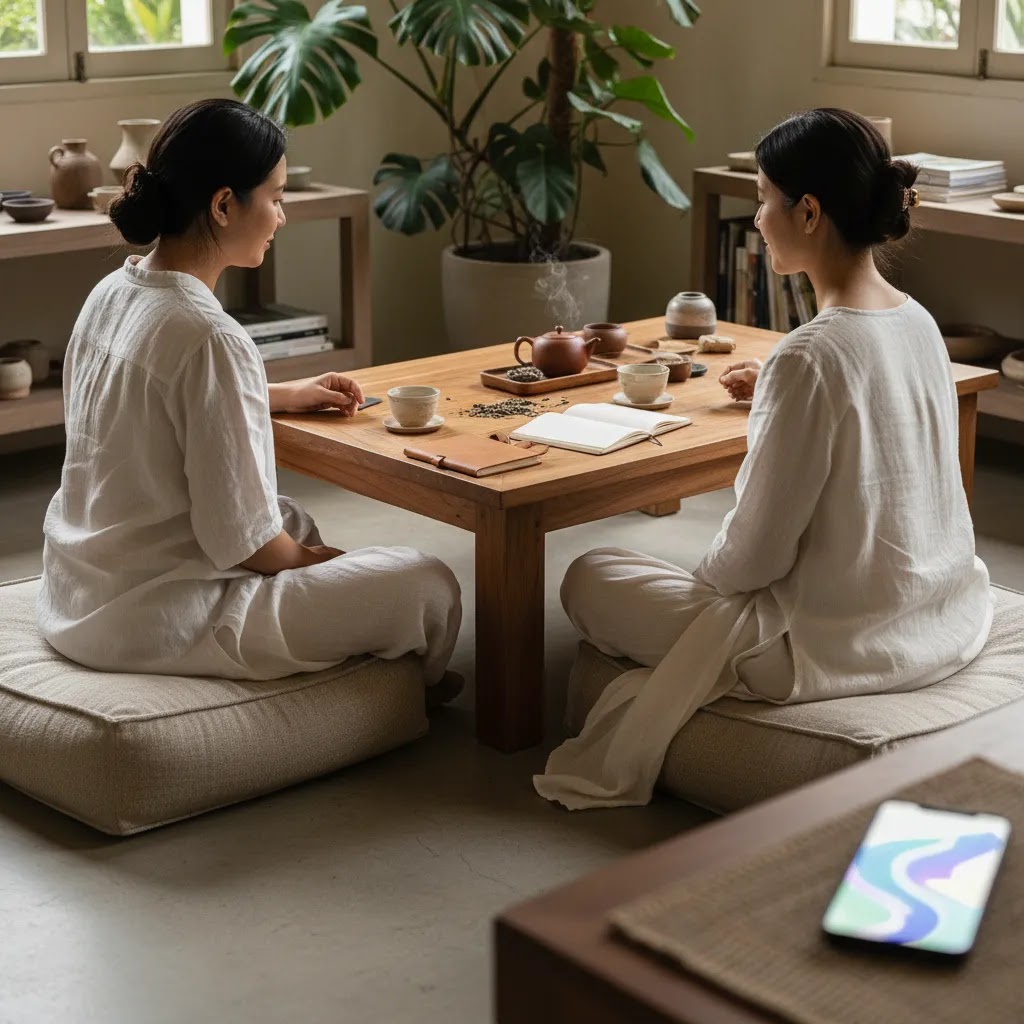
1. Structured beginner courses
This is the strongest first stop for most readers. A structured course usually runs over several weeks and introduces core practices gradually. The best ones explain what mindfulness is, what it is not, and what to do when attention keeps wandering. That sounds small, but for beginners it matters a lot.
Why it stands out: clear pacing, repeat practice, and a lower chance of feeling lost after session one.
- Often easier to stick with than self-guided learning
- Usually includes live guidance and space for questions
- Can help normalize that restlessness is common
- May suit people who want a realistic, non-performative start
Things to watch: some courses feel too generic, some lean heavily spiritual, and some move too quickly for people who are already overwhelmed.
2. Short mindfulness workshops
These are often easier to access than a full course. A mindfulness workshop singapore provider may frame it around stress, sleep, focus, or emotional regulation. Workshops can be useful for sampling a teacher's style before committing to a longer series.
Why it stands out: lower commitment and often lower upfront cost than multi-week training.
- Good for testing whether the teaching style feels safe and clear
- Works well for busy schedules
- Can be a useful first step for hesitant beginners
- May fit event-based or community learning settings
Things to watch: limited follow-through, less personalized support, and not much time to troubleshoot difficulties that arise during practice.
3. One-to-one mindfulness coaching
Private coaching makes sense if you want your practice adapted to your day rather than the other way around. This format can be especially appealing if you have tried classes before and found them too broad. A coach may help you build short practices around commuting, work breaks, or bedtime.
Why it stands out: personalization and accountability.
- Useful for people who want support applying mindfulness in daily life
- Can move at your pace
- Often better for specific goals than a general group class
- May feel less intimidating than joining a room full of strangers
Things to watch: higher cost, uneven coaching standards, and the risk of mistaking coaching for professional therapy or medical support.
4. Applied mindfulness for work stress
Some singapore mindfulness programs are framed less as meditation and more as practical attention training for stress, focus, and burnout prevention. These can feel more accessible for people who dislike abstract or highly spiritual language.
Why it stands out: direct relevance to work life and habit formation.
- Often practical and easy to explain to skeptical learners
- May include breathing, body awareness, and short reset practices
- Can fit people dealing with ongoing mental clutter
- Useful alongside broader stress relief activities singapore options
Things to watch: some workplace versions become too productivity-focused and leave little room for emotional nuance.
5. Youth and school-facing mindfulness programs
Interest in mindfulness in singapore schools continues because schools and families often want calmer, more age-appropriate tools for attention, overwhelm, and emotional awareness. A good youth-facing program should use plain language, short practices, and realistic expectations.
Why it stands out: tailored delivery for younger learners, educators, or parents.
- Can be more engaging than adult-style classes
- Often benefits from visual or sensory teaching methods
- May be useful for neurodivergent learners when adapted carefully
- Can open a gentler conversation about mental wellness singapore support
Things to watch: children and teens do not all respond well to stillness-based activities, and school programs vary widely in quality and depth.
Pros and Cons
Strengths
- Mindfulness courses can offer more structure than trying to learn from videos or apps alone.
- Singapore has a mix of formats, including workshops, coaching, workplace training, and beginner-friendly courses.
- Group classes may provide helpful normalization if your mind feels busy or restless during practice.
- Private coaching can adapt mindfulness to real routines like commuting, parenting, or stressful workdays.
- School and youth formats may make mindfulness more approachable for families and younger learners.
Considerations
- Pricing, teacher background, and depth of training can vary significantly across providers.
- Mindfulness is not always the best first fit for people who feel highly activated, distressed, or unsafe being still with their thoughts.
- Some programs promise more than they can realistically deliver in a short course or single workshop.
- Private coaching is not a substitute for licensed mental health care where that level of support is needed.
Who this path tends to suit best
Mindfulness courses and coaches may suit you if you want a guided way to slow down and notice what is happening without needing to explain everything in words. They often work well for adults managing chronic busyness, students who want steadier attention habits, and beginners who prefer a teacher over an app.
This path may feel less helpful if silence quickly becomes overwhelming, or if you are looking for a highly expressive, creative method instead. In that case, adjacent options such as movement, sensory grounding, or the benefits of art therapy for adults may feel more accessible.
What to check before you book

Start with format. A mindfulness course singapore provider offers over six or eight weeks may be ideal if you want continuity. A workshop is more realistic if your schedule is unstable. Coaching makes more sense if you want personalized support.
Next, look closely at teaching style. Some instructors are very gentle and concrete. Others use language that feels abstract, spiritual, or highly conceptual. Neither style is automatically better, but one may fit you more than the other. Read how the provider describes the sessions. If the language already makes you tense or skeptical, that matters.
Then check trust and boundaries. Are the teacher's qualifications explained clearly? Do they describe what the course can and cannot help with? Do they mention what to do if mindfulness does not feel regulating for you? Good providers usually avoid exaggerated claims and are clear about limits.
Cost is worth checking beyond the headline fee. Ask whether materials, recordings, follow-up support, or missed-session options are included. A cheaper workshop may be enough if you only want exposure. A pricier course may offer better value if it includes ongoing practice support.
Finally, think about your real energy level, not your ideal self. A daily 30-minute practice may sound lovely and still be unrealistic. If what you can manage is five guided minutes and one class a week, that is still a meaningful place to begin. If you want a softer companion while you compare options, DailyLemons can be one useful place to keep exploring reflective practices without pressure.
Credentials, accreditation, and safety checks
What many people overlook is that “mindfulness teacher training” can mean very different things. Some instructors have completed a short certificate, sometimes focused on personal practice or basic facilitation skills. Others have gone through longer pathways that include supervised teaching, assessed delivery, ongoing mentorship, and continued education. None of this automatically makes someone “right” for you, but it does change the likelihood that they can teach responsibly when real humans have real reactions.
If a provider uses words like “accredited” or “internationally recognized,” it is reasonable to ask what that actually refers to. Accreditation can mean membership in an association, completion of a training pathway, or a training provider’s internal credential. Those labels may signal seriousness, but they do not guarantee teaching quality or fit.
If you want a quick, grounded way to evaluate claims, here are practical questions to ask or look for in course information:
- What training pathway did the teacher complete, and with which organization or senior teachers?
- Did their training include supervised teaching hours, feedback, or assessment?
- Do they receive ongoing mentorship or supervision, especially if they teach in higher-stakes settings like schools or workplaces?
- Is there a code of ethics, professional boundaries, or safeguarding policy?
- How do they describe handling strong distress during practice?
Now, when it comes to safety, it helps to be clear about scope. Mindfulness instruction and mindfulness coaching are typically educational. They may support well-being, but they are not the same as counseling or psychotherapy, and they are not regulated in the same way. A responsible provider should be able to say what they do, what they do not do, and what they would recommend if mindfulness practice starts to feel destabilizing.
The reality is that mindfulness can sometimes bring up difficult feelings, memories, or body sensations, especially when someone is under heavy stress or already feeling emotionally raw. If you notice panic, dissociation, intense agitation, or a sense that you feel worse after practicing, that is a signal to pause and seek appropriate support. In Singapore, a provider who is practicing with good boundaries should be willing to refer you to more suitable help when needed, rather than trying to keep you in the course at all costs.
Frequently Asked Questions
What is the difference between mindfulness and meditation in Singapore listings?
They overlap, but they are not always presented the same way. Meditation is often the practice itself, while mindfulness may be taught as a broader skill that includes attention, awareness, and everyday habits. Some providers use the terms almost interchangeably. Reading the session outline usually tells you more than the label alone.
Are mindfulness courses in Singapore good for complete beginners?
Yes, many are designed for beginners, especially short introductory courses and guided workshops. A good beginner course explains wandering attention, discomfort, and expectations in plain language. If the class description assumes prior experience or uses dense language without explanation, it may be less beginner-friendly than it first appears.
How do I know if a mindfulness coach is credible?
Look for a clear training background, a defined scope of work, transparent pricing, and realistic claims. A credible coach should explain what their sessions involve and where the limits are. Coaching can be helpful for habit-building and reflection, but it should not be presented as a replacement for licensed medical or mental health care.
What should I expect in a mindfulness workshop?
A workshop usually includes guided practice, short explanations, and some reflection or discussion. Many are framed around stress, focus, or emotional balance. You may leave with a few exercises to try at home. What you usually will not get is enough repetition to build a lasting practice without some follow-through afterward.
Is mindfulness suitable for teens or school settings?
It can be, if the program is age-appropriate and taught with flexibility. Shorter exercises, sensory cues, movement, and visual structure often work better than long stillness practices. Not every child or teen will find mindfulness comfortable, so a good school-facing program should allow alternatives rather than forcing one method on everyone.
Can mindfulness help with work stress?
It may help some people notice tension earlier, pause more intentionally, and build small recovery moments into the day. It is often most useful as one support among several, not as the only answer to heavy workload or poor boundaries. If stress is tied to larger life pressure, practical changes may matter just as much.
Are online mindfulness classes worth considering in Singapore?
They can be, especially if travel time or crowded schedules make in-person attendance hard. Online classes may work well for private learners or people who feel self-conscious in a group room. The trade-off is less in-person presence and fewer subtle cues from the teacher, which some beginners find reassuring.
What if mindfulness makes me feel more restless?
That can happen. For some people, slowing down makes inner noise more noticeable at first. If that happens, shorter guided practices, movement-based grounding, or more sensory approaches may feel better. You do not need to force stillness just because it works for someone else.
Do I need a journal for mindfulness practice?
No. A mindfulness journal singapore learners use can support reflection, but it is optional. Some people prefer writing after practice, while others do better with voice notes, simple check-ins, or no recording at all. The method matters less than whether it helps you notice your experience gently and consistently.
What are the 5 R’s of mindfulness?
You will sometimes see “5 R’s” used as a simple way to describe what happens during practice. Different teachers phrase them slightly differently, but the core idea is usually: recognize what is happening, relax or release some tension, re-center by returning to an anchor like breath or body, re-engage with the present moment, and repeat when the mind wanders again. If a course uses a version of the 5 R’s, the main question is whether the teacher explains it in a way you can actually use when you are stressed, not just when you are calm.
What are the four types of mindfulness?
People categorize mindfulness in different ways, but a common practical breakdown is: mindfulness of the body (sensations, breathing), mindfulness of feelings (pleasant, unpleasant, neutral tone), mindfulness of the mind (thoughts, moods, mental activity), and mindfulness of everyday activities (bringing attention into walking, eating, commuting). If you are choosing a class, look for whether it includes more than one type, since different anchors work better for different people.
How do I start learning mindfulness?
Start smaller than you think you need. Many people do better with 3 to 5 minutes of guided practice a few times a week, then gradually build from there. If you are learning from a class, a good beginner-friendly course will normalize distraction and help you troubleshoot common issues like restlessness or sleepiness. If you are learning alone, choose one simple anchor, like feeling your feet on the floor or noticing the breath in the body, and practice returning without making it a performance.
What kind of therapy is mindfulness?
Mindfulness itself is typically a skill or practice rather than a therapy. It is sometimes included inside structured therapy approaches, and you might see it paired with psychological education in certain course formats. In Singapore listings, the important distinction is who is providing it and under what scope. A mindfulness teacher or coach may teach practices and reflection skills, while a licensed mental health professional may integrate mindfulness within clinical care. If you are unsure which you are signing up for, ask directly.
Key Takeaways
- Most mindfulness singapore options fall into five practical formats: courses, workshops, private coaching, workplace training, and school-facing programs.
- A structured beginner course is often the safest starting point if you want guidance and repetition.
- Private coaching may offer more personalization, but standards and pricing vary more widely.
- Teaching style, boundaries, and realistic claims matter as much as branding.
- If stillness feels hard, related creative or sensory supports may be a better fit than forcing mindfulness.
Conclusion
Mindfulness in Singapore is not one single path. It shows up as short workshops, steady courses, one-to-one coaching, workplace training, and youth-focused programs. The best option is usually the one that matches your pace, your schedule, and the kind of guidance you actually want to receive. If you are choosing between several formats, compare how each provider teaches, what support is included, and how clearly they describe limits. You can also keep exploring nearby paths such as meditation, creative reflection, or gentler emotional wellness practices. If you want another calm place to sort through options, DailyLemons offers supportive resources you can explore in your own time.
This article is for educational purposes only and does not provide medical, psychological, or legal advice. Mindfulness courses, workshops, and coaching may support well-being, but they are not substitutes for licensed medical care, urgent mental health support, or crisis services. Provider details, schedules, qualifications, and fees may change, so verify current information directly before booking. If you feel unsafe, at risk, or unable to cope, contact local emergency services or an appropriate urgent support resource in Singapore right away. For public guidance, you may also refer to relevant authorities such as Singapore's Ministry of Health.