Stress Relief Activities Singapore (2026 Guide)
Need a softer plan for this week, not a full life overhaul? This guide ranks eight local stress relief ideas you can actually try in Singapore, with options for different budgets, energy levels, and comfort zones. You will get a clear short list, what each activity is best for, and how to choose one that fits the kind of week you are having. Total time to use this guide is about 10 minutes, and the difficulty level is Beginner. If you want a broader view of emotional support habits, our guide to mental wellness singapore may help you place these activities in a wider routine.
What you'll need
- A free hour this week, or even 20 to 30 minutes for a lighter option
- A realistic budget, from free to low-cost paid activities
- Comfortable clothes if you choose movement, nature, or studio-based activities
- Your phone for booking, maps, or quiet audio support
- A simple check-in question: “Do I need calming, expression, movement, or company?”
If you are drawn to creative expression more than silent practices, you may also want to browse Art Therapy Singapore for related ideas.
Signs your stress needs a different kind of support first
Here’s the thing: sometimes the best “stress relief activity” is not the most interesting one. It is the one that meets you where your nervous system is right now. If you choose a quiet activity when you are physically keyed up, or choose a high-energy activity when you are depleted, you can end up feeling worse and blame the activity.
Think of these as check-engine lights. They do not mean something is “wrong” with you, they just suggest you may want a lighter, more regulating option before you try anything ambitious.
- Mental signals: racing thoughts, irritability, mental clutter, feeling unusually tearful, feeling “wired but tired,” trouble making small decisions
- Physical signals: jaw clenching, tight shoulders, shallow breathing, headaches, stomach flutteriness, a feeling of restlessness in your limbs
- Behavior signals: doom-scrolling, snapping at people, procrastinating on easy tasks, reaching for caffeine or sugar more than usual, canceling plans you normally enjoy
From a practical standpoint, a simple “if this, then try that” can help you pick quickly:
- If your body feels tight (headaches, jaw, shoulders), try stretching, gentle yoga, or swimming.
- If your mind feels crowded (irritability, mental clutter), try a slow walk or a tea and reading ritual.
- If you cannot focus (scattered attention, workday overload), try a short guided breathing session for 5 to 10 minutes.
- If your emotions feel stuck but wordless, try a simple sketch, coloring, or collage session.
- If loneliness is amplifying everything, try a low-pressure community activity, with modest expectations.
The reality is that self-guided activities have limits. If your stress is persistent and disrupting sleep for weeks, comes with panic-like feelings, or makes it hard to function day to day, it may help to reach out to a qualified professional in Singapore, or a trusted support person, rather than trying to “out-activity” it alone. If you feel unable to stay safe or you are in immediate danger, contact local emergency services in Singapore right away.
Eight stress relief activities to try locally this week
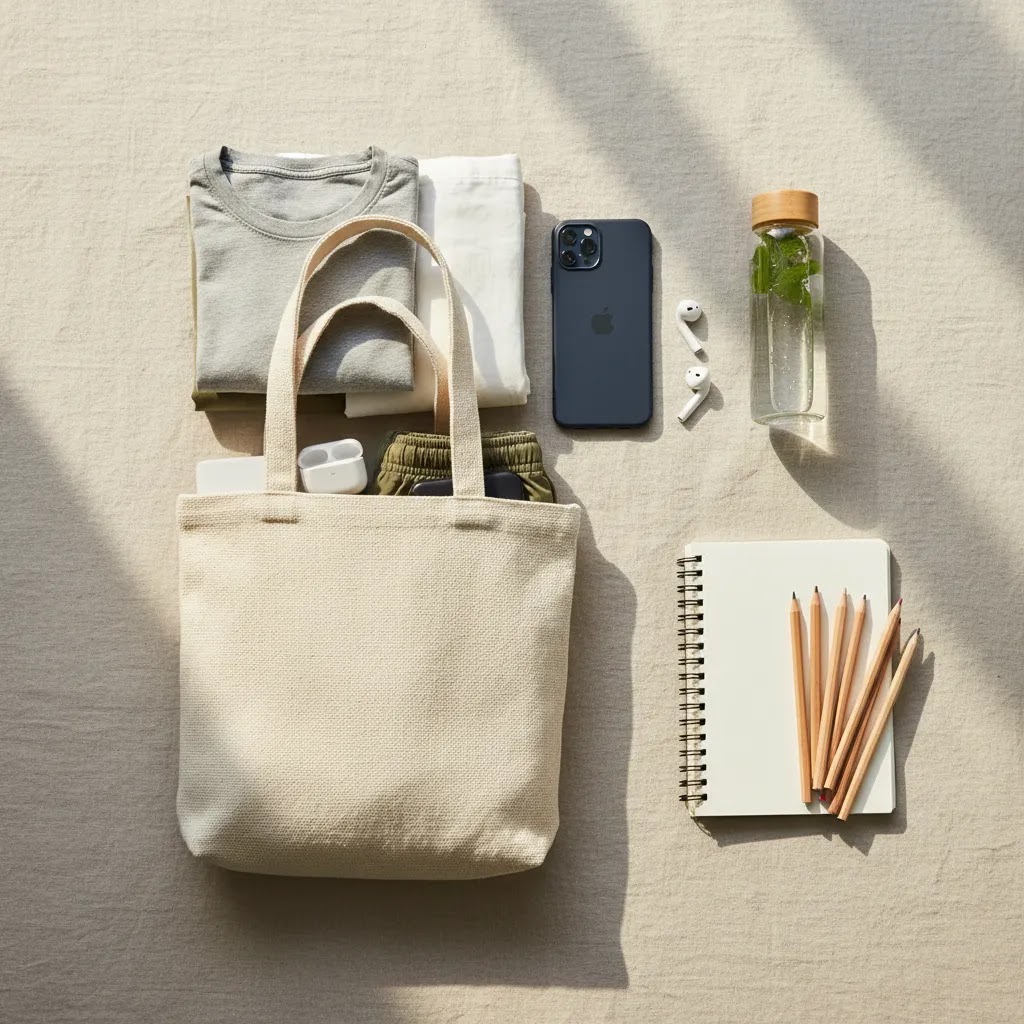
This ranking is built for real-life use, not for novelty. The order reflects beginner-friendliness, accessibility, cost flexibility, and how easy each activity is to fit into an ordinary week in Singapore.
1. A slow park or waterfront walk
Best for low-energy stress, mental clutter, and days when you do not want to talk much. Walking asks very little from you, but it can still change the rhythm of a tense afternoon. In humid weather, shorter early-morning or evening walks tend to feel more manageable.
2. A gentle art or sketch session at home or in a studio
Best for emotions that feel hard to explain. This could be coloring, loose sketching, collage, or working with shapes and color. If words feel crowded, creative expression can offer a different door. You can also read more about the benefits of art therapy for adults if you want context before trying something visual.
3. A beginner-friendly yoga or stretch class
Best for stress that shows up in your shoulders, jaw, chest, or back. Gentle movement can help if your body feels as busy as your mind. Look for slower formats rather than high-intensity classes if your week already feels packed.
4. A guided breathing or meditation session
Best for short resets and workday overload. This can happen in a class, with an audio track, or quietly at home. If you want more background before trying it, our article on meditation singapore covers what beginners often want to know.
5. A mindful tea, café, or solo reading hour
Best for overstimulation and social fatigue. The activity sounds small because it is small, and that is part of the appeal. A low-pressure ritual can be easier to repeat than a major self-care outing.
6. A pottery, craft, or hands-on workshop
Best for people who calm down by using their hands. Repetitive physical focus can be grounding, especially if open-ended reflection feels too abstract. Workshop costs vary, so check total fees before booking.
7. A swim or easy water-based movement session
Best for restless stress and hot-weather tension. Water can feel soothing and sensory in a way that indoor workouts do not. This works well if you want movement without the social energy of a class.
8. A low-pressure support group or community class
Best for isolation, burnout, or weeks when being around others feels helpful. This is ranked eighth only because group fit can be very personal, not because it is less valuable. For some people, it may belong much higher.
Comparison table
| Activity | Typical Cost | Time Needed | Best For | Beginner Ease |
|---|---|---|---|---|
| Park or waterfront walk | Free | 20 to 60 mins | Mental clutter, low energy | Very high |
| Art or sketch session | Free to low | 30 to 90 mins | Feelings that are hard to verbalize | High |
| Yoga or stretch class | Low to mid | 45 to 60 mins | Physical tension | High |
| Breathing or meditation | Free to low | 5 to 30 mins | Short resets, work stress | Medium to high |
| Tea or solo reading hour | Low | 30 to 90 mins | Overstimulation | Very high |
| Pottery or craft workshop | Mid | 60 to 120 mins | Hands-on focus | Medium |
| Swim or water movement | Low | 30 to 60 mins | Restlessness, heat tension | Medium to high |
| Support group or community class | Free to low | 60 to 120 mins | Isolation, burnout | Medium |
More free or low-cost stress relief ideas in Singapore
If you scanned the list and thought, “I need something even simpler, and ideally free,” that is a valid constraint, not a lack of effort. Consider this: cost predictability is part of what makes an activity calming. When price feels uncertain, the plan can start to feel like another stressor.
Here are a few genuinely low-cost or free options that still count as real stress relief, especially for beginners:
- Library time: a quiet corner, a few pages of reading, and a slower pace than home or a café.
- A low-stakes museum or gallery visit on a budget: slow looking, no need to “learn” anything, leave whenever you want.
- Window-shopping as a walking-based option: you still get movement and a change of environment, but with more visual interest than a treadmill.
- Board games or card games at home with one or two people: structured, playful, and you do not need to share anything personal to benefit.
- A simple phone-free hour at home: shower, stretch, put on a calm playlist, then do something repetitive like tidying a single drawer or folding laundry slowly.
What many people overlook is how “low-cost” quietly becomes “mid-cost.” A few common drivers are transport, peak-hour pricing, and materials fees for workshops. If you want to keep the cost steady, check for:
- Total spend, not ticket price: include transport, drinks, and add-ons.
- Peak-hour differences: some classes and venues cost more on weekends or evenings.
- Materials and equipment: workshops may charge extra if supplies are not included.
- Repeatability: a $0 to $10 option you can do weekly can be more supportive than a $80 plan you avoid after one try.
Now, when it comes to comfort, “free” places can be busier. If you are sensitive to crowds or noise, try earlier times, weekdays, or quieter indoor spaces. If sensory load is part of your stress, a shorter visit is still a win. You can leave before your system tips into overwhelm.
Step 1: Match your stress pattern to the right type of activity
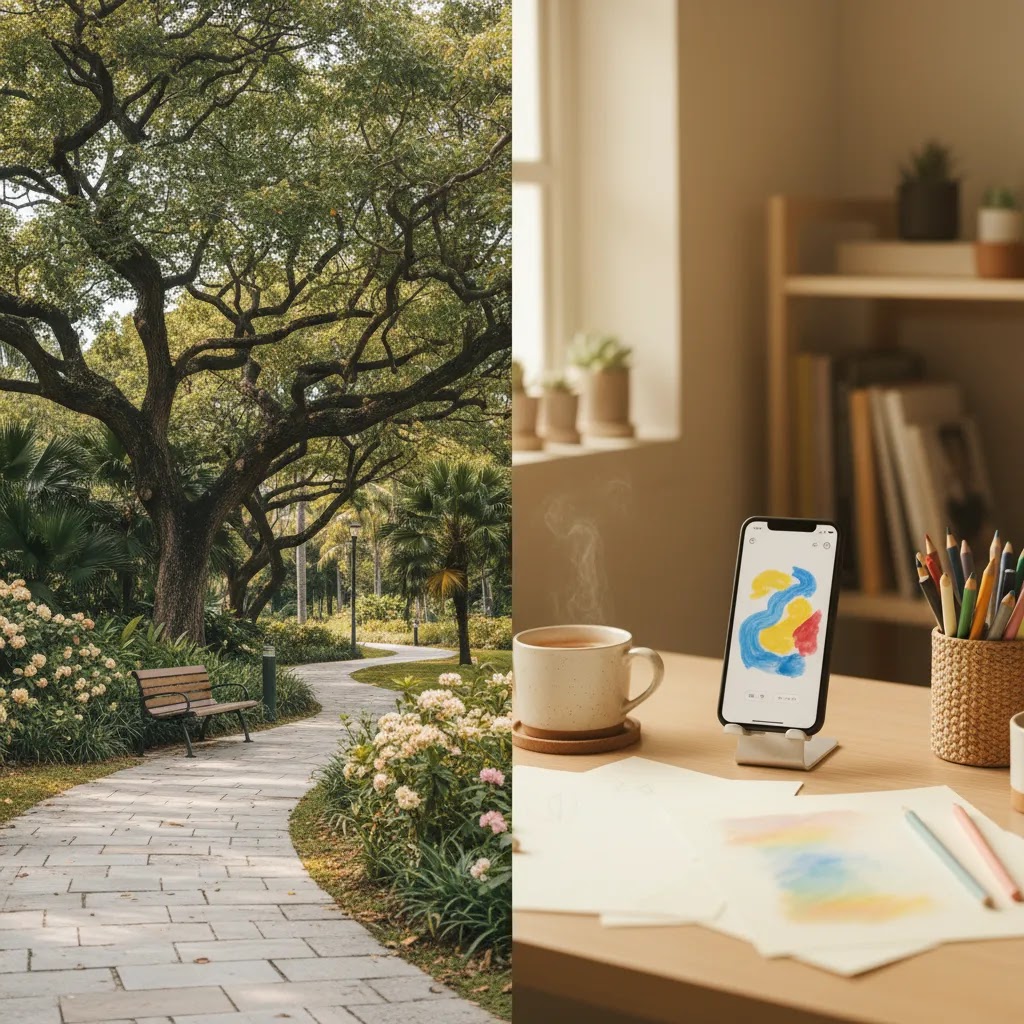
Before you pick from the list, pause for one minute and sort your stress into a simple category. This helps more than choosing the “best” activity on paper. A good match tends to feel easier to start and easier to repeat.
If your stress feels noisy and mental, quiet walking, tea rituals, or breathing sessions may suit you. If it feels physical, stretching, yoga, or swimming may help more. If it feels emotional but wordless, art-based activities often make more sense than trying to force a long journal entry.
If you like gentle attention practices, our overview of mindfulness singapore may help you compare quieter options.
Step 2: Choose the activity that fits this week, not your ideal week
Step 2.1: Pick walking if you want the easiest win
A local walk is still one of the most practical stress relief activities Singapore readers can try because it is flexible, free, and does not require emotional readiness. Go shorter than you think you should. Twenty calm minutes is often better than planning a long outing you avoid.
- Best if you feel foggy or depleted
- Works well before dinner or after work
- Bring water and avoid the hottest part of the day
Step 2.2: Choose art if words feel tiring
This does not need to be polished or “good.” Color blocks, repeated patterns, and simple collage all count. The value often comes from attention and expression, not from the result. For many beginners, this is one of the best stress relief activities singapore options because it allows privacy and flexibility.
- Try 3 colors that match your mood
- Set a timer for 20 minutes
- Stop before you feel drained
Step 2.3: Choose yoga or stretching if your body feels braced
If your shoulders are tight or your breathing is shallow, a slow class or home stretch session may feel more useful than another purely mental strategy. Look for beginner, gentle, restorative, or mobility-based formats rather than anything competitive.
- Good after desk-heavy days
- Helps if stress feels stuck in the body
- Skip intense sessions if you are already exhausted
Step 2.4: Choose meditation for short, repeatable resets
Meditation works best here as a small practice, not a performance goal. Five minutes can be enough. If silent meditation feels frustrating, use guided audio, visual focus, or slow counted breathing instead.
- Useful between meetings or study blocks
- Start with brief sessions
- Do not judge success by having a blank mind
Step 2.5: Choose a quiet café ritual if you are overstimulated
A solo tea or coffee break with no multitasking can be surprisingly regulating. Bring a book, sketchpad, or nothing at all. This option is especially helpful if home feels noisy and you want a calm space without needing a full plan.
- Low pressure and easy to repeat
- Can pair well with reading or doodling
- Costs can add up if it becomes a daily habit
Step 2.6: Choose a craft workshop if your hands need something to do
Pottery, candle making, floral work, and simple craft sessions can provide structure that helps busy thoughts settle. This kind of activity is often easier for people who dislike sitting still with their feelings.
- Works well for tactile learners
- Usually time-limited and structured
- May require advance booking
Step 2.7: Choose swimming if heat and restlessness are part of the problem
Swimming combines repetitive movement, breath rhythm, and cooling sensory input. If your week feels physically agitated, this may be a better fit than a very still activity.
- Best for restless tension
- Can be done solo
- Not ideal if travel to a pool adds stress
Step 2.8: Choose a community activity if stress is mixing with loneliness
Not all stress relief has to happen alone. A gentle group class, volunteer activity, or support circle can add a sense of connection. Keep expectations modest. You do not need to share deeply for the time to be worthwhile.
- Helpful during isolating weeks
- Group fit matters a lot
- Try one session before committing further
If you want company: stress relief ideas to do with friends
What many people overlook is that social stress relief is not only about “talking through” problems. Sometimes it is about shared nervous system regulation: a little laughter, a predictable plan, and the simple reminder that you are not doing the week alone.
Here are a few friend-based options that tend to work well in Singapore, especially if you want connection without a heavy emotional conversation:
- Karaoke: playful, loud enough to drown out self-consciousness, and structured so you do not need constant conversation. This can suit you if you want release and energy.
- Board games or card games: structured and low-sharing, good if you want company but do not want to explain how you feel.
- A casual walking date: side-by-side movement can feel less intense than sitting face-to-face. Keep it short and choose a route where you can leave easily.
- A simple shared meal or café hour: lower effort than a full outing, and it can be enough to shift your mood without making the day “about stress.”
- Volunteering: a practical way to be around people with a shared purpose, which can feel easier than purely social plans.
Consider this if you want it to stay low-pressure: set expectations out loud before you meet. A few phrases that can help:
- “Can we keep it simple and do an hour? I just want a lighter reset.”
- “I’m not looking to problem-solve today, I just want some company.”
- “If I get tired, I might head off early. I’ll tell you, no drama.”
The reality is that social plans can backfire if you are already overstimulated. If noise, crowds, or too much talking tends to tip you over, choose a quieter format: a short walk, a daytime café, a library visit, or a small home hangout with one person. The goal is to feel steadier after, not to prove you can keep up.
Common mistakes to avoid
- Choosing by aspiration instead of energy. The “best” option is often the one you can actually do this week.
- Overbooking stress relief. Packing three calming activities into one day can start to feel like another task list.
- Picking intense movement when you are already depleted. Sometimes softer pacing is more regulating.
- Assuming creative activities require talent. They do not. Expression and attention matter more than output.
- Expecting instant emotional clarity. Some activities simply create a little more room in your day, which is still useful.
How to choose more thoughtfully next time
If one activity helped even a little, make it easier to repeat. Save the location, set out the materials, or keep the next version smaller. Stress relief usually works better as a gentle rhythm than as a one-time fix.
You can also explore related topics in Anxiety, Stress & Emotional Wellness. If you are curious about quieter self-guided practices, the broader themes in meditation, mindfulness, and creative expression may help you build a steadier weekly mix.
DailyLemons can also be a gentle place to keep exploring. If verbal reflection feels tiring, our wider resources around art-based expression and emotional check-ins may help you compare different starting points without pressure.
Pros and Cons
Strengths
- This ranked list gives you eight different activity types, so you are not pushed toward one coping style.
- The options range from free to moderate cost, which makes the guide more practical for ordinary weeks.
- Several activities are beginner-friendly and work even if you feel low-energy or emotionally shut down.
- The list includes solo, creative, movement-based, and social choices, which supports different personalities and needs.
- Most options can be tried without a long-term commitment.
Considerations
- A ranked list cannot account for your exact location, schedule, or sensory preferences.
- Some local classes and workshops may need advance booking or may cost more than expected.
- Stress relief activities may help you feel steadier, but they are not a substitute for urgent or high-level support.
- Weather, commuting time, and crowds in Singapore can change how restorative an activity actually feels.
Frequently Asked Questions
What is stress relief activities singapore usually referring to?
It usually means simple activities you can do in Singapore to ease tension, reset your attention, or feel more grounded during the week. These may include walking, creative hobbies, quiet rituals, gentle movement, or guided calming practices. The best option depends less on trends and more on whether you need rest, expression, movement, or connection.
What are the best stress relief activities singapore options for beginners?
For most beginners, walking, quiet café time, simple art-making, and short guided breathing are the easiest places to start. They are low-pressure, low-cost, and do not require special skill. If you tend to feel self-conscious in groups, solo activities may feel more approachable at first than a class or workshop.
How do I choose between movement and quiet activities?
Notice where the stress feels strongest. If your body feels tight, restless, or overheated, movement-based options like yoga, stretching, or swimming may help more. If your mind feels crowded or overstimulated, walking, tea rituals, art, or guided meditation may fit better. You can also alternate both across the week.
Are stress relief activities in Singapore expensive?
No, not necessarily. Some of the most useful options are free, such as walking, breathing exercises, or sketching with materials you already have. Paid options like yoga classes, workshops, or studio sessions can cost more, so it helps to check total fees, travel time, and whether equipment or materials are included.
Can art-based activities help with stress even if I am not artistic?
Yes. Art-based stress relief is usually about expression, pacing, and sensory focus, not talent. Repeating shapes, choosing colors, or making a simple collage can be enough. If that approach interests you, our broader resources in Art Therapy Singapore may help you explore the idea more gently.
Is meditation the fastest stress relief option?
It can be fast, but not for everyone. Some people feel calmer after a few minutes of guided breathing, while others find stillness frustrating when they are already overwhelmed. If meditation feels difficult, you might prefer walking meditation, visual focus, stretching, or another activity that gives your attention something concrete to do.
How often should I do stress relief activities each week?
Consistency usually matters more than intensity. Two or three short sessions may feel more supportive than one long session you dread. A 15-minute walk, a brief sketch, or a short breath practice can still be useful. Pick something that feels small enough to repeat without turning it into another obligation.
Do group activities work better than solo ones?
Not always. Group activities may help if your stress is tied to isolation or if structure keeps you engaged. Solo activities may work better if you are overstimulated, tired, or need privacy. Personal fit matters more than format. A low-pressure trial session is often the best way to tell.
What are some activities that reduce stress?
Activities that reduce stress are usually ones that help your body and attention settle, even a little. Common options include a slow walk, stretching or gentle yoga, a short breathing practice, drawing or coloring, swimming, and quiet rituals like reading with tea. Social options can help too, like a low-pressure meal with a friend or a structured activity such as a board game.
What are 5 self-care activities?
Five self-care activities that are often realistic in a busy Singapore week are a 20-minute walk, a 10-minute stretch session, a short guided breathing practice, a simple sketch or coloring timer, and a phone-free tea or reading hour. The best choice depends on whether you need calming, movement, expression, or company.
What free activities to do in Singapore?
Free options can include park or waterfront walks, simple breathing practices, sketching with materials you already own, and quiet time in public spaces like libraries. Free plans often work best when you keep them short and predictable, so the outing does not turn into a tiring “project.”
Is there a rage room in Singapore?
There may be venues that offer controlled “smash” or rage-room style sessions in Singapore, and some people find that kind of release appealing during high frustration. If you are considering it, check safety rules, protective gear requirements, and what is included in the price. Think of it as a high-intensity option that can be stimulating, not soothing. If you are already feeling overwhelmed, a quieter form of release like swimming, stretching, or a brisk walk may be a gentler first step.
What if none of these activities help much?
If several attempts leave you feeling the same or more distressed, it may help to look beyond self-guided stress relief and speak with a qualified local professional or trusted support person. If you feel unable to stay safe or you are in immediate danger, contact local emergency services in Singapore right away.
Key Takeaways
- The most practical stress relief activity is usually the one that matches your energy and your week.
- Walking, simple art, guided breathing, and quiet rituals are among the easiest beginner options in Singapore.
- Movement-based options may suit physical tension, while creative or quiet activities may suit mental overload.
- Free and low-cost choices can be genuinely useful. Relief does not have to be elaborate.
- If stress feels persistent, severe, or linked to safety concerns, self-guided activities may not be enough on their own.
A calmer week can start smaller than you think
You do not need to try all eight options. You probably only need one that feels possible by Thursday. A short walk, a slow stretch, a quiet cup of tea, or a page of color can be enough to soften the edges of a hard week. If you want to keep exploring gentle, creative ways to support yourself, DailyLemons offers calm educational resources that can help you compare approaches without pressure. You can begin with what feels lightest, then notice what gives you a little more room to breathe.
This article is for general educational purposes only and does not provide medical or mental health advice. Stress relief activities may support well-being, but outcomes vary by person and situation. If you are in immediate danger, feel unable to stay safe, or need urgent help in Singapore, contact local emergency services right away. For broader public guidance, you may also refer to relevant authorities such as Singapore's Ministry of Health. Verify current prices, availability, access rules, and provider details directly before booking any paid class, workshop, or service.