Daily Lemons is a free iOS smart therapy app with brief, voice-guided drawing exercises and captions. Its calm voice can make creative reflection easier when thoughts feel crowded, but it does not offer speech recognition, pronunciation coaching, or speech-language practice. This review looks at what its guidance and captions can support, and where you may need a different kind of help.
Daily Lemons Smart Therapy App at a Glance
Rating: 4.2/5
Best for: People who prefer short, guided visual exercises to long written reflections or silent meditation.
Who should skip it: People seeking speech-language practice, voice recognition, diagnosis, crisis support, or a replacement for licensed care.
Price: Free to download on iOS.
| Feature | Daily Lemons offers | It does not offer |
|---|---|---|
| Speech integration | Spoken guidance with captions | Speech recognition or pronunciation coaching |
| Session length | Approximately 10 minutes | Live therapist communication |
| Access | Free to download on iOS | Speech-language practice |
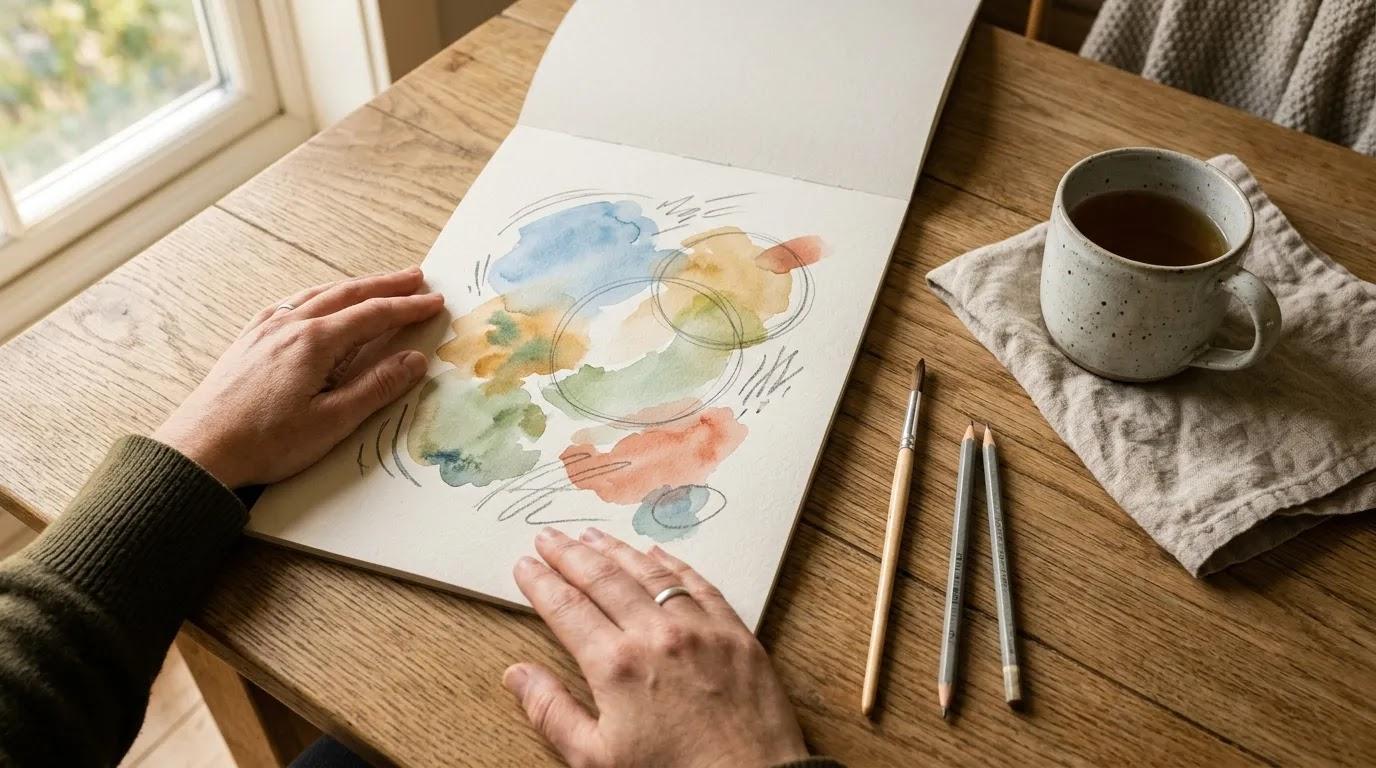
Picture opening an app where a soft, spoken voice walks you through a short drawing exercise. There is no pressure to explain yourself in words, just a gentle check-in, a small creative act, and a quiet moment to sit with what came up. That's where Daily Lemons finds its footing. The drawing tool itself isn't really the point. What matters is everything wrapped around it: the calm narration, the on-screen captions, the simple emotional check-in, and the space it leaves you afterward to reflect.
The voice-led format may reduce the effort of reading instructions. It can also give the session a steadier rhythm. For someone who finds blank pages, lengthy prompts, or quiet meditation uncomfortable, that can make the app feel more approachable. The main limitation is equally clear: the speech element is guidance, not two-way voice interaction or speech therapy.
What Is This Smart Therapy App?
Imagine it's one of those afternoons that just feels heavier than it should. You open the app, and in roughly ten minutes, you're gently guided through a small creative exercise designed by a therapist. Maybe you're moving shapes around, picking colors that feel right, drawing a simple line, or putting together a little collage, words are welcome if you want them, but they're never required. That's simply what a day with Daily Lemons on iOS looks like. There's no art background needed, no skill to prove. The only real task is staying with yourself, noticing what's there as you create, without any pressure to end up with something polished or display-worthy.
The app uses a warm voice companion called Miss Lemon, with captions available for accessibility. The guide introduces an exercise, helps you settle into the activity, and offers gentle prompts during reflection. This creates a more supported experience than opening a general drawing or coloring app with no direction.
“Smart therapy app” can mean several things online. It may refer to a platform that uses AI, connects users with care providers, tracks wellbeing, or supports speech-language learning. Daily Lemons fits a narrower category: a creative emotional wellness tool with guided audio and reflective prompts. It does not claim to assess your artwork, interpret what colors or symbols mean, or diagnose what you may be feeling.
That boundary matters. Trained, credentialed art therapists deliver professional art therapy within a therapeutic relationship. Daily Lemons can be a private creative practice or an adjunct between appointments, but it is not the same as a live clinical service. For a wider view of this format, browse our guide to art therapy apps. You can also explore how the American Art Therapy Association describes art therapy.
Smart Therapy App Speech Integration and Usability
The most important finding from this usability review is simple: Daily Lemons uses speech as an accompaniment tool. It does not appear to use your voice as input. There is no stated feature for pronunciation scoring, articulation exercises, speech-to-text journaling, language drills, or conversational speech coaching.
That distinction may prevent an unhelpful download. If your goal is speech-language practice after a communication difficulty, or support from a speech-language pathologist, Daily Lemons does not serve that purpose. You would need a dedicated service that clearly explains its clinician involvement, age range, privacy practices, and the skills it addresses.
For emotional wellness use, spoken guidance can be a meaningful design choice. You may find reading directions like one task too many when you are tired, stressed, or unable to settle. A steady voice can pace a creative exercise without asking you to produce the right words. Captions provide a second route through the same session for users who are Deaf or hard of hearing, prefer reading, use sound sparingly, or simply want to keep the app quiet in a shared space.
The experience is likely most useful with headphones or in a private setting where you can hear the guide comfortably. In public, captions may preserve usability, although the emotional tone of spoken guidance may feel less present. A good smart therapy app should let you control sound easily, rather than making audio the only way forward.
What It Feels Like to Use a Guided Session

Daily Lemons follows a predictable session flow. You begin by learning the purpose of the exercise, then arrive in the present moment with a brief grounding prompt. A light mood check-in follows. From there, the app guides you into making marks, choosing colors, drawing within a shape, or responding to a visual prompt. Reflection comes after the creative portion rather than before it.
This order is one of the app’s best usability decisions. It does not demand an explanation before you begin. You can start with a line, a texture, or a color, then decide later whether any words feel useful.
The app also combines a progressive journey with intention-based choices. A journey can offer continuity if you want a gradual practice. Intentions can be useful when you want to choose a session related to stress, anxiety, burnout, heartbreak, anger, or joy without searching through a large library.
The consistent voice and structure may be especially helpful for beginners and users who prefer predictability. Still, repetition can be a drawback for people who want a highly customized experience, live feedback, or deep discussion of what emerges. Daily Lemons intentionally keeps interpretation in the user’s hands.
Creative Tools, Captions, and Low-Pressure Access
Daily Lemons includes a drawing editor, collage options, text elements, templates, and optional background music. This range gives users more than one way to respond. A person who does not want to write can draw. Someone who feels intimidated by drawing can begin with a template. Someone who wants to create a future-oriented image can use collage and text.
Templates are a particularly useful accessibility feature. A blank canvas can feel freeing for some people and strangely demanding for others. A boundary, map, container, or simple structure can make starting feel less exposed.
The app’s journal function saves creations for later review. Over time, this may help you notice recurring images, shifts in mood, or exercises that felt more settling. You can add written notes if you want, but the visual record can stand on its own. This is a gentler alternative for people who do not connect with conventional journaling.
Think of a moment when you glance at your own drawing and pause, wondering what it's trying to tell you. That quiet curiosity is what Daily Lemons hopes to protect. Instead of handing you a verdict about what your artwork means, the app gently turns the question back: What catches your eye? What feels significant? Is there something you'd like to sit with longer, or let go of? If you're comparing this to tools that rely more heavily on AI-driven conversation, our closer look at an AI art therapy app walks through what to watch for.
Smart Therapy App Pros and Cons
Strengths
- Free iOS download, which lowers the barrier to trying a creative emotional wellness practice.
- Voice-guided sessions can reduce reading load and provide a calm, consistent pace.
- Captions give users an alternative to audio and support more flexible use.
- Brief sessions are easier to fit around school, caregiving, work, or bedtime routines.
- Drawing, collage, templates, and text allow for more than one expression style.
- Reflection prompts avoid claiming to decode or diagnose artwork.
- The visual journal can preserve creative work without requiring extensive written journaling.
Considerations
- The speech feature is one-way guidance, not speech recognition, voice input, or speech-language training.
- The current product listing offers iOS only.
- People seeking live human care, personalized feedback, or urgent support will need another route.
- The short format may feel too light for complex experiences that need sustained professional support.
- Voice guidance may not suit every sensory preference, even with captions available.
Smart Therapy App Pricing and Value

The Apple App Store lists Daily Lemons as free. For a beginner-friendly app with guided creative practices, that makes its value proposition straightforward: you can explore the format without committing to a subscription price upfront.
Value depends less on how many tools are available and more on whether the session design fits the moments you actually have. If you want a brief visual practice that does not require artistic skill or long written entries, a free 10-minute format may be worth keeping on your phone. If you need a service with scheduled sessions, speech-language exercises, or clinician-led treatment, free access does not make it the right fit.
Before sharing personal work with any wellbeing service, review its current privacy policy, sharing controls, account settings, and terms. A private journal works best when you know what the app stores and how you remain in control of what you choose to share.
Privacy, Sharing, and Account Safety
Creative work, mood check-ins, and reflection notes can feel personal even when they are brief. Before saving them in any wellness app, check whether the app protects access with a password, device passcode, biometric lock, or another account security option. If you share a phone or tablet, logging out after use and keeping device notifications private may also matter.
Look closely at who can view your content. Some apps allow sharing with a provider, a support person, or another account, while others keep entries visible only to you. Check whether the app makes sharing optional, lets you withdraw access, and lets you delete individual entries or your entire account. Export options may be useful if you want a personal copy of your drawings or notes, but they also create another file to protect.
Privacy settings and data practices can change with app updates. Review the current App Store privacy disclosures, terms, and privacy policy before downloading, especially if you plan to store sensitive details. The Federal Trade Commission's privacy guidance for apps can also help you consider what to check. If an app is intended for a child or teenager, a parent or guardian may also want to review its age guidance, account requirements, and sharing settings first.
Alternatives to Consider
Live art therapy: Choose this route if you want a credentialed professional to help pace the work, respond to what you create, and build a relationship over time. Readers looking locally can explore options for art therapy Singapore services.
A dedicated speech-language app or provider: Choose this if “speech integration” means articulation practice, language development, voice exercises, or communication rehabilitation. Look for a service that clearly states its clinical scope and practitioner qualifications.
A general mindfulness or journaling app: This may suit you if quiet audio practices, written reflection, habit tracking, or a large meditation library feels more natural than visual expression.
Daily Lemons sits between these options. It is more structured than a blank sketchpad and less intensive than live therapy. Its main appeal is a short, guided, nonverbal route into reflection.
How to Compare Guided Wellness Apps With Clinician-Connected Tools

Guided wellness apps, clinician-connected tools, and live provider services can all use prompts, tracking, or calming activities, but they offer different kinds of support. A self-guided app gives you activities to use privately and at your own pace. Daily Lemons belongs in this category. It offers creative guidance and reflection, not a place to record assigned exercises for a therapist or communicate with one through the app.
Some apps support work between professional appointments. They may allow progress sharing, assigned activities, secure messages, or two-way feedback from a qualified provider. Live provider services usually center on scheduled conversations or sessions, with the app functioning as a way to arrange, access, or continue that relationship.
Before choosing, read the app description for clear answers about practitioner involvement, progress sharing, two-way feedback, and its stated scope of use. A tool can be helpful without offering professional care, but its limits should be easy to understand. If you are looking for support with concerns that affect daily life or safety, a qualified professional can help you decide what kind of service fits.
Other Apps by Support Style
Visual art-making is only one format. MindShift is an anxiety-focused app built around practical tools and written exercises. Calm Harm offers activities intended to help people pause and work through urges. CBT Thought Diary uses more structured written reflection and tracking. These approaches may suit people who prefer guided questions, coping activities, or patterns recorded over time rather than drawing and collage.
Each format has limits as well as strengths. A written tool may feel clearer if you like putting thoughts into words, while visual work can be useful when words are not readily available. An urge-management app may offer immediate activities, but it is not a substitute for urgent help or ongoing professional support when safety is a concern.
Before downloading any app, review its current age guidance, accessibility settings, privacy terms, and boundaries around professional support. Features and availability may change, so the most useful choice is usually the one that fits your preferred way of reflecting and clearly explains what it can and cannot provide.
Frequently Asked Questions
What is a smart therapy app?
A smart therapy app is a broad label for digital tools that may offer guided exercises, tracking, AI-assisted prompts, telehealth access, or other forms of emotional support. The label does not guarantee that an app provides clinical therapy. Daily Lemons is best understood as a therapist-designed, art-therapy-informed wellness app with guided creative sessions, not as a diagnostic or emergency service.
Does Daily Lemons provide speech therapy?
No. Daily Lemons uses spoken guidance to lead creative exercises, but it is not designed for speech-language therapy. It does not present itself as a tool for pronunciation practice, language development, voice assessment, or speech recognition. If you need support in those areas, seek a service specifically designed for speech-language needs and verify the provider’s qualifications.
Can I use Daily Lemons without listening to the voice guide?
Captions are available for the voice-guided experience, so you may be able to follow the session through text rather than sound. That flexibility is useful if you are in a shared environment, have hearing-related access needs, prefer reading, or find audio distracting. Your experience may differ depending on device settings and the current version of the app.
Is Daily Lemons suitable for beginners?
Yes, the app is designed for beginners and does not require art skills. Its short sessions, simple prompts, and templates can make the first step feel more manageable than an open-ended drawing practice. Beginners who prefer clear structure may appreciate the repeated session flow. You can stop or switch activities if a prompt does not feel right for you.
How long does a Daily Lemons session take?
Daily Lemons is designed around approximately 10-minute guided practices. That length can work well as a small pause between tasks, after a difficult conversation, or before rest. A brief session is not meant to resolve every feeling. It offers a contained space to create, notice, and choose what support may help next.
Can Daily Lemons replace therapy?
Not exactly. Picture Daily Lemons as a soft landing spot between sessions, or a gentle companion while you sit with your own thoughts, rather than a replacement for what a trained art therapist offers. Real therapeutic support grows out of a genuine relationship, one built specifically around you and your story. So when feelings grow heavier than usual, start bleeding into daily life, or safety feels uncertain, please lean on a qualified professional who can offer the kind of personal, tailored care that moment calls for.
How do clinician-connected therapy apps work between appointments?
Some clinician-connected apps allow a qualified provider to assign activities, review progress, exchange secure messages, or discuss entries during a future appointment. The details vary by service. Check whether feedback is included, how quickly messages may be answered, what information is shared, and whether the app is intended to support an existing care relationship or provide live sessions. Daily Lemons is self-guided and does not offer two-way communication with a therapist through the app.
What should I check before sharing personal information in a wellness app?
Review the current privacy policy, App Store privacy disclosures, account security options, sharing controls, and deletion process. You may also want to know whether drawings, notes, or check-ins can be exported, whether they can be viewed by another person, and what happens to your information if you delete your account. Only share what feels appropriate for the app’s stated purpose.
Are guided wellness apps appropriate for children or teenagers?
It depends on the app’s age guidance, content, privacy practices, and the young person’s circumstances. A parent or guardian may want to review the App Store listing, account requirements, sharing settings, and available support before downloading. A guided wellness app may offer a private creative activity, but it does not replace a trusted adult or qualified professional if a child or teenager is struggling or has safety concerns.
Key Takeaways
- Daily Lemons is a free iOS creative wellness app with short, voice-guided art-therapy-informed sessions.
- Its speech integration means spoken guidance with captions, not voice recognition or speech-language training.
- The app is best for people who want a visual, structured alternative to long-form journaling or silent meditation.
- Templates, collage, drawing, text, and saved journal entries help reduce blank-page pressure.
- It can support private reflection, but it is not a substitute for live professional care or urgent support.
Verdict: Is This Smart Therapy App Worth Trying?
Daily Lemons earns a 4.2/5 for a thoughtful, accessible blend of guided audio, captions, and creative exercises. Its strongest reason to try is the session design: the app gives you something concrete to do before asking you to explain what you feel. The voice guide may make that first small step easier, while captions keep the experience from relying on sound alone.
The strongest reason to skip it is also clear. If you searched for a smart therapy app because you need speech-language tools, live therapy, or personalized clinical guidance, this is not the right category. Daily Lemons is a quiet companion for visual reflection. You can begin with one short exercise whenever that feels workable, then decide whether the format belongs in your own support routine.
Just a gentle reminder: what you're reading here is meant to offer information, not clinical direction, mental health treatment, or crisis support. We put this together based on what was true at the time of writing, and think of it less as a rulebook and more as a friendly starting point for exploring everyday wellness. Daily Lemons isn't designed to diagnose anything, respond to emergencies, provide speech-language therapy, or replace the care of a licensed professional. If you or someone close to you is ever struggling or feeling unsafe, please don't wait, contact local emergency services or a trusted crisis line right away. And since things like app features, pricing, availability, and privacy practices tend to evolve, it's a good idea to check the provider's current App Store page, terms, and privacy policy before getting started.