
Yes, free art therapy in Singapore may be available, but usually through limited no-fee programs, community organizations, school-based support, hospital-linked services, or subsidized referrals rather than open-ended private sessions. In practical terms, many people will find that fully free access is selective, while paid sessions often sit alongside low-cost or grant-supported options. If you are trying to understand the bigger art therapy singapore picture, this guide focuses on one narrow question: who may qualify for no-fee support, what session costs usually look like when free spots are not available, and what to budget for before you reach out. That can make the first step feel a little lighter.
Where free art therapy fits in Singapore
Free art therapy usually exists at the edges of the system, not the center of it. You may come across no-fee access through schools, charities, family service settings, youth programs, eldercare services, hospital social work referrals, pilot programs, or research-linked projects. These places often reserve support for people with financial need, clear referral pathways, age-specific criteria, or a defined emotional support goal.
That means “free” often comes with conditions. You might need a referral, proof of household income, enrollment in a partner program, or membership in a target group such as students, caregivers, seniors, or survivors of a specific life challenge. Sessions may also be time-limited, such as 4 to 8 sessions rather than ongoing weekly support.
If you are still figuring out whether an individual provider is a good fit, it can help to read more about finding an art therapist singapore option and what to expect for art therapy singapore adults. If you want broader background on how creative support can help, Daily Lemons also has resources on the benefits of art therapy for adults.
Art therapy credentials in Singapore, and how to verify a provider
Here’s the thing: “art therapy” can mean different things depending on who is using the label. In a professional context, it typically refers to therapy facilitated by a trained art therapist who is educated in both psychological theory and the use of art processes for emotional support. In casual settings, you might also see “art therapy” used to describe an art workshop, a guided self-care class, or general counseling that includes some creative activities.
Those experiences can all be meaningful, but they are not interchangeable. When a service is marketed as “free art therapy,” it can be especially helpful to clarify what is actually being offered, who is facilitating it, and what the scope is.
What “art therapy” typically means in a professional setting
In Singapore, a trained art therapist will usually be able to describe their education, clinical supervision, and ethical standards clearly. Sessions typically include a blend of art-making and reflective discussion, with a focus on emotional safety, boundaries, and how to work with what comes up during the process.
By contrast, an art class or wellness workshop may focus on learning techniques, relaxation, or creative enjoyment. That can be supportive in its own way, but it usually is not designed for deeper emotional work, crisis situations, or complex personal histories. If you are seeking therapy rather than a creative activity, asking this upfront can save you time.
Qualifications to look for, and why they matter
Training matters because art-based emotional work can stir up intense feelings. A provider with formal training is more likely to have clear boundaries around consent, privacy, and what they can responsibly hold in the room, especially if difficult memories, grief, or trauma-related themes surface.
From a practical standpoint, you can ask what the facilitator’s highest relevant qualification is. Many professional art therapists are trained at the graduate level, often with a Master’s degree in art therapy or an equivalent qualification. They may also talk about ongoing supervision, continuing education, and how they handle risk, such as what they do if someone feels emotionally overwhelmed during or after a session.
If a service is free, it does not automatically mean it is low-quality. It may simply be funded. Still, it is reasonable to be a little more careful about clarity: funded programs can be excellent, but program staffing can vary across short-term projects, volunteer-led settings, and rotating facilitators.
How to sanity-check legitimacy in Singapore
Consider this: you do not need to interrogate a provider, but you can do a calm legitimacy check. Many qualified art therapists in Singapore list professional memberships or credentials on their website or profile. Two names that are commonly referenced in the region are the Art Therapists’ Association Singapore (ATAS) and the Australian, New Zealand and Asian Creative Arts Therapies Association (ANZACATA).
If someone says they are registered or credentialed, that usually implies they have met specific training requirements and are expected to follow an ethics process, such as professional conduct standards and continuing professional development. Rules can differ by association, and membership categories can vary, so it can help to ask a simple question like: “Are you a member of a professional association, and what does your registration or credential level mean in practice?”
If you feel uncertain, you can also ask whether the service is delivered by an art therapist or by a facilitator using art activities, whether there is clinical supervision, and whether the program has clear safeguarding practices. A legitimate service should be able to answer without being defensive.
Pricing summary at a glance
If a no-fee program is not available, many people move into low-cost or standard paid care. The table below uses practical budget ranges in USD for comparison. Actual rates in Singapore are often billed in SGD, so these figures are approximate USD equivalents to help you compare options more easily.
| Access tier | Typical cost | What is usually included |
|---|---|---|
| No-fee program | $0 | Short-term sessions, group support or selected 1:1 care, often referral or income-based |
| Subsidized community option | $10 to $40 per session | Partial subsidy, fixed program length, basic materials often included |
| Low-cost trainee or supervised service | $20 to $60 per session | Reduced-fee sessions, usually with limited availability and set schedules |
| Private group art therapy | $25 to $80 per session | Shared group setting, themed support, lower cost than 1:1 |
| Private individual art therapy | $90 to $220 per session | One-on-one care, tailored pace, wider therapist choice |
Free vs low-cost art therapy, what you typically get (and what you may not)
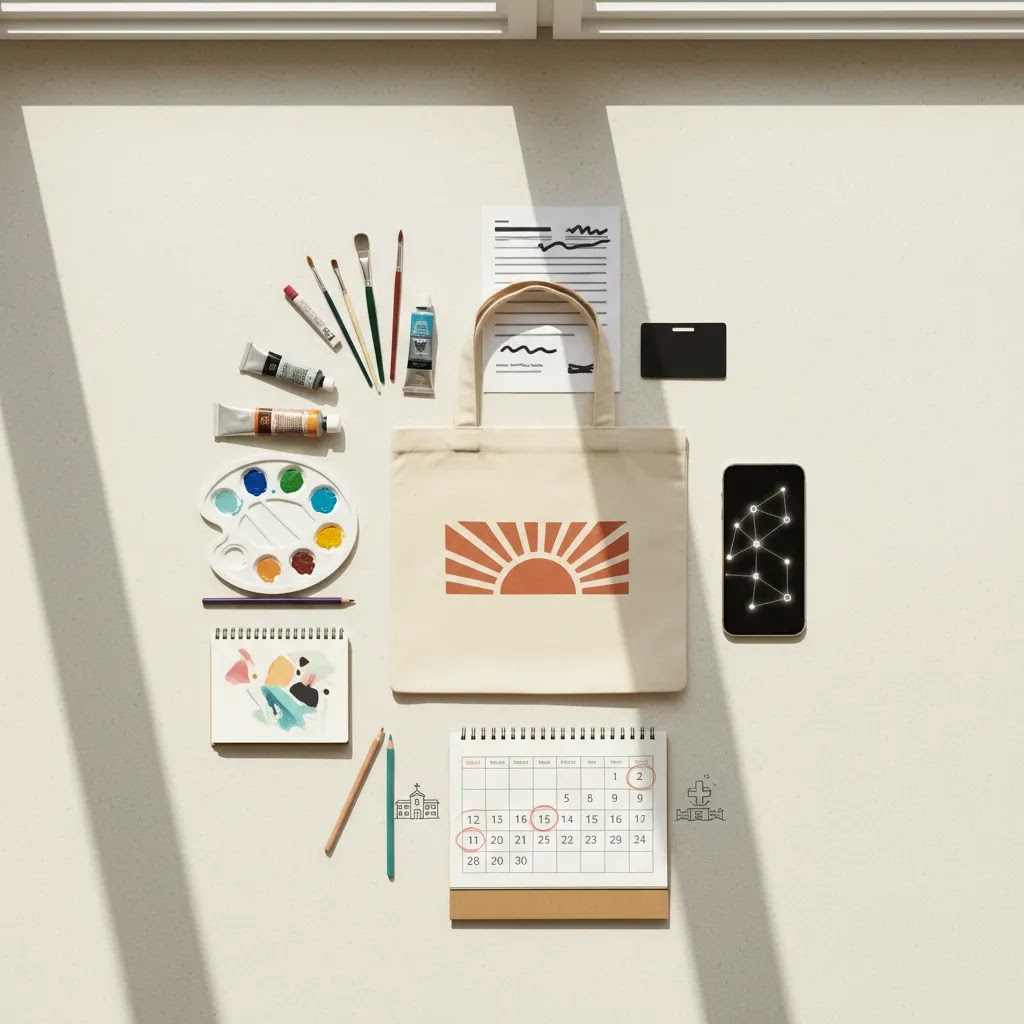
The reality is that “free” and “low-cost” can feel similar on paper, but they often feel different in real life. Free options are commonly attached to a broader service, such as a hospital-linked program, a school support pathway, or a community initiative. They may be excellent, but they are usually designed as short-term support rather than open-ended ongoing therapy.
What free options often look like in practice
Many no-fee programs are group-based, time-limited, and structured around a specific goal or target audience. You might be offered a defined block of sessions, such as a short series with a start and end date, rather than an ongoing weekly slot. Privacy is also different in a group format, even when the program is careful and respectful.
Some funded programs do offer 1:1 sessions, but they may involve referral pathways, eligibility screening, or narrower availability. Therapist choice is often limited, and continuity can be affected if the program is staffed by rotating clinicians, trainees under supervision, or a time-limited grant.
What you often get with low-cost paid options
Low-cost paid options, such as trainee or supervised services and subsidized community sessions, may offer more predictable scheduling than fully free programs. You might have clearer expectations about session frequency, who you will see, and how to continue past the initial block. Even small fees can change how a service is resourced and how long it can offer support.
Practical differences you may notice
- Therapist choice: free programs typically assign, private services usually offer more choice.
- Privacy: groups cost less but involve shared space, 1:1 tends to be more private.
- Continuity: funded blocks may end, private care may be easier to continue if budget allows.
- Session length: some free services are shorter or less frequent, while private sessions may be more consistent.
- Materials: programs may include basics, but availability of specialty materials can vary.
A quick fit check: free group support vs paying for private 1:1
Think of it this way: free group support may be a good fit if you are comfortable sharing space, can work within a program timeline, and want a gentle entry point without a big financial commitment.
Paying for private 1:1 may be more practical if you need more privacy, have a schedule that cannot match fixed program timings, or want a steadier therapeutic relationship over time. It may also make sense if you have been waiting a long time and the lack of access is starting to feel like its own stressor.
Who may qualify for no-fee programs
Eligibility is usually the deciding factor. Free access tends to be offered to people who fit a specific service goal rather than anyone who asks.
Income-based eligibility
Some community and social service programs prioritize households facing financial strain. You may be asked for income documents, subsidy paperwork, or a referral from a social worker or partner agency. Lower income often improves access to free or heavily reduced-fee care.
Age-based programs
Youth, teens, and older adults may have the clearest access to no-fee support. Schools, youth centers, family-focused charities, and eldercare programs sometimes offer structured art-based emotional support as part of a broader wellbeing service.
Referral-only pathways
Hospital systems, counseling centers, or community caseworkers may refer people into funded programs. Without that referral, the same service may not be open for self-booking. This is common where funding is attached to a healthcare, school, or community partner.
Program-specific groups
Some no-fee services are built for a narrow audience, such as caregivers, grieving families, women in crisis support networks, trauma survivors, or people in rehabilitation settings. Access may depend on being part of that group rather than on income alone.
Short-term project funding
Occasionally, no-fee sessions are offered through grants, public initiatives, or pilot projects. These can be helpful, but they may end suddenly, have waiting lists, or stop after a few sessions. If continuity matters to you, ask what happens after the funded block ends.
Where free or subsidized art therapy usually shows up, referral routes and what to ask
What many people overlook is that free or subsidized art therapy is often accessed through a pathway, not a booking page. If you try to search for “free art therapy Singapore,” you may find a lot of scattered listings, short-term initiatives, and programs that do not clearly explain their intake requirements. A more practical approach is to look for where funded support commonly lives, and how people typically get referred into it.
Common access channels in Singapore
While details vary by provider and funding, free or subsidized art therapy most commonly shows up through routes like these:
- Hospital-linked services and medical social work pathways: some support is accessed through hospital clinics, allied health departments, or referrals coordinated by social workers.
- School-based support: student wellbeing teams, educational support services, and partner programs may offer time-limited art-based support, especially when a student fits a specific need category.
- Community and charity programs: family service settings, youth organizations, eldercare programs, and community hubs may run funded group series or short-term 1:1 support.
- Time-limited projects and community initiatives: grant-funded pilots, public initiatives, and research-linked programs may offer no-fee sessions for a defined period, then close intake when funding ends.
- Training clinics and supervised placements: some low-cost services exist because a trainee is offering sessions under supervision, which may reduce fees while keeping a clinical structure.
Questions to ask before you apply or accept a spot
From a practical standpoint, a short checklist can help you avoid surprises:
- What is the intake route: self-referral, school referral, doctor referral, or social worker referral?
- What eligibility documents are required, such as income statements, residency information, or a referral letter?
- How many sessions are included, and is it capped or renewable?
- Is it 1:1 or group-based, and what is the typical group size?
- How long is each session, and how often do sessions run?
- How long is the current waitlist, and are there alternatives while you wait?
- Who facilitates the sessions, and are they a trained art therapist or a general facilitator using art activities?
- What happens after the block ends: step-down options, onward referrals, or a paid continuation route?
Common “free” constraints to be aware of
Free programs often have real constraints because they are trying to stretch limited funding. You might see limited slots, strict attendance expectations, and eligibility aimed at target groups such as youth, families under strain, neurodivergent children, caregivers, or people affected by specific life events. Programs may also be designed around structured goals, such as emotional regulation skills, social connection, grief processing, or caregiver support, rather than open-ended exploration.
None of this makes a program less valuable. It just means it helps to ask a few questions early, so you know whether the structure fits your needs and whether the support is likely to continue beyond the initial window.
Factors that affect the cost
Individual vs group sessions
One-on-one sessions are usually the most expensive because you are paying for dedicated therapist time. Group sessions spread that cost across several participants, so they are often much more affordable and are sometimes the first format offered under no-fee programs.
Provider setting
Private clinics usually charge more than nonprofit, school-based, or community settings. If your goal is affordable access, charity-linked or institution-based services may offer stronger value than fully private care.
Therapist training and specialization
A more experienced therapist, or one working with a niche population, may charge more. That extra cost could be worth it if you need support matched to adulthood, caregiving stress, grief, or trauma-sensitive creative work.
Session length
A 90-minute session usually costs more than a 45- or 60-minute session. Some programs look free at first glance, but offer shorter or less frequent sessions than private practice.
Materials and setting costs
Basic art materials may be included, but some services charge extra for specialty supplies, workshops, or take-home kits. Venue costs also matter. Sessions delivered in a community space may cost less than those held in a dedicated studio clinic.
Wait time and demand
No-fee programs often have limited capacity. Long waits can push people toward paid care if support feels more urgent. In that case, “free” may still carry an indirect cost in time and access.
Detailed price breakdown
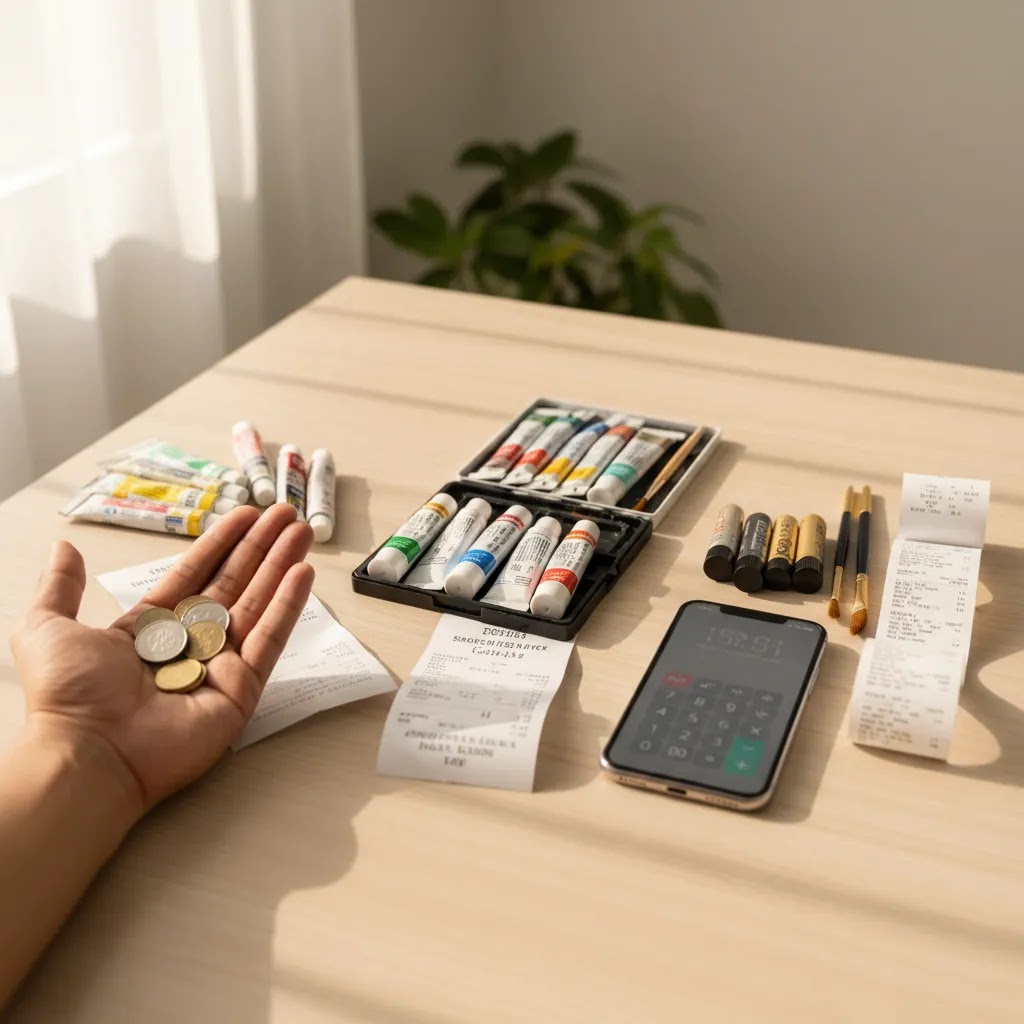
No-fee programs
Typical cost: $0. These programs can be the most financially accessible option, but they often come with the most rules. You may need to qualify through income, referral, age group, or a defined service category. Session numbers are often capped, and therapist choice may be limited.
Subsidized community services
Typical cost: $10 to $40 per session. This is often the middle ground for people who do not meet full no-fee criteria but still need lower-cost support. These services may be easier to access than fully funded spots, though they can still involve paperwork or waitlists.
Trainee or supervised services
Typical cost: $20 to $60 per session. This can be a practical route if your budget is tight and you are comfortable working with a therapist in training under supervision. Availability may follow school calendars or specific clinic placements.
Private group sessions
Typical cost: $25 to $80 per session. Groups may suit people who want a lower-cost starting point and do not mind sharing space with others. The trade-off is less individual attention and less privacy.
Private individual sessions
Typical cost: $90 to $220 per session. This is usually the easiest format to schedule and personalize. It is also the least accessible financially. If you start here, ask whether packages, shorter sessions, or reduced-frequency booking are available.
Pros and Cons

Strengths
- Free and no-fee programs can make emotional support more accessible for people with tight budgets.
- Community and school-based options may reduce the barrier of starting.
- Group or short-term funded formats can offer a gentle introduction before committing to private care.
- Eligibility screening can direct limited resources toward people with greater financial or social need.
- Subsidized pathways may help bridge the gap between fully free care and full private rates.
Considerations
- Free programs are usually limited in availability and may have long waiting lists.
- Eligibility rules can exclude people who still need support but do not meet formal criteria.
- No-fee care may be time-limited, referral-only, or available only in group settings.
- Therapist choice, timing, and continuity may be more restricted than in private care.
Who this path may suit
No-fee or low-fee art therapy may suit students, teens, caregivers, families managing financial strain, and adults who want a gentle first step without jumping straight into high private fees. It may also suit people who prefer creative expression over purely verbal support. If you are exploring options slowly, this route can give you room to test fit and comfort.
If your needs feel more immediate, highly private, or specialized, a private therapist may be easier to access even if the upfront cost is higher. The right choice is often about access, fit, and continuity, not price alone.
A gentle next step
If you are still sorting through what feels realistic, Daily Lemons can help you move at a calmer pace. You might begin with our broader guides on Art Therapy Singapore to understand local options, then explore related reading on adults, providers, and the ways creative support may help. That can make it easier to tell the difference between fully free programs, subsidized access, and private sessions that may cost more but be easier to start.
There is no pressure to figure it all out at once. You can start with the option that feels most reachable, then adjust as your needs become clearer.
How to choose the right option
If you are comparing free, subsidized, and paid art therapy, a few criteria matter more than the headline price.
1. Check eligibility before emotional fit
With no-fee programs, access rules often decide everything. Ask whether self-referral is accepted, whether income documents are needed, and whether the service is open to your age group or situation.
2. Ask how many sessions are included
A free program with four sessions may still be useful, but it is different from ongoing weekly support. Try to find out whether the service is short-term, renewable, or designed as a one-off intervention.
3. Understand the format
Some people are comfortable in groups. Others need privacy. Group formats tend to be cheaper, but they may not suit everyone. If you are new to this space, it can help to read about support for art therapy singapore adults so you know what the setting may feel like in practice.
4. Ask what happens after the funded block ends
This matters more than many people expect. If the service ends after a short program, is there a referral onward, a waitlist for continued care, or a paid step-down option? A low initial cost can still become expensive if continuity is unclear.
5. Balance cost with emotional comfort
The cheapest option is not always the easiest to use. Long travel, long waits, crowded groups, or unclear fit can make attendance harder. If you are choosing between a free place with heavy friction and a modestly priced option you can actually keep showing up to, the second may offer better value over time.
Frequently Asked Questions
Is free art therapy really available in Singapore?
Sometimes, yes. Free access may exist through community services, schools, charities, or referral-based programs. It is usually not open-ended private therapy. Most no-fee options have eligibility rules, capacity limits, or a fixed number of sessions, so access can depend on your circumstances and timing.
Who usually qualifies for free art therapy?
People may qualify through financial need, referral pathways, school enrollment, age-based services, or membership in a targeted support group. Some programs are built for youth, seniors, caregivers, or people linked to a hospital or social service provider. Criteria vary by organization.
What if I do not qualify for a no-fee program?
You may still be able to access subsidized, trainee-led, or group-based services at a lower price than private one-on-one care. Those options can offer a gentler entry point while keeping costs more manageable than standard private sessions.
How much does paid art therapy usually cost if free options are unavailable?
Many lower-cost pathways fall around $10 to $80 per session depending on the format. Private individual sessions often range from about $90 to $220 per session. Group sessions and supervised trainee services are usually less expensive than private one-on-one care.
Are art materials included in the price?
Often, basic materials are included, especially in structured group programs. Still, not every service bundles supplies into the fee. Some workshops, specialty sessions, or take-home kits may cost extra, so it helps to ask for a full price breakdown before you commit.
Can adults access free art therapy, or is it mostly for children?
Adults may be able to access no-fee or subsidized services, though availability is often narrower than school-linked support for younger people. Adults may find more options through community organizations, hospital referrals, caregiver programs, or short-term funded projects.
Is a referral always required?
No, but many no-fee programs use referrals to manage demand and match funding conditions. Self-referral may be possible in some community settings. If a referral is needed, ask who can make it and whether there are lower-cost alternatives while you wait.
Is paying more always better?
Not always. Higher cost may bring more privacy, flexibility, and therapist choice, but lower-cost or funded options can still be meaningful. The better option is usually the one that fits your budget, feels emotionally workable, and gives you a realistic chance of continuing support.
Is art therapy free?
It can be, but it is usually free only through specific no-fee programs, such as community services, school-linked support, or hospital and charity pathways. Most private art therapy sessions are paid, and free offers typically come with eligibility rules, limited slots, or a capped number of sessions.
Is art therapy good for CPTSD?
Art therapy may be helpful for some people living with complex trauma, especially when words feel hard to access. Still, needs vary widely, and complex trauma support typically benefits from a trauma-informed approach, clear consent, and careful pacing. If you are considering a free or group program, ask whether the facilitator is trained, what the session structure is, and how the program supports emotional safety if intense feelings come up. If you feel at risk of harm or overwhelmed, urgent support and appropriate clinical care may be more suitable.
Is SAM free for Singaporeans?
Some Singapore services and programs use the term “SAM,” but costs and eligibility depend on the specific organization and what SAM stands for in that context. If you are looking at a program with SAM in the name, check whether it is funded, whether it is means-tested, and whether there are fees for intake, follow-up, or non-residents. If you are unsure, the quickest clarity usually comes from asking the provider directly what “free” covers and what documents are required.
What to do in SG today for free?
If you need something free today, consider options that do not require a multi-step intake, such as a gentle self-guided creative practice at home, a walk with a simple photo prompt, or a short journaling and drawing check-in. If you need urgent support or feel unsafe, contact local emergency services or an appropriate crisis support line in Singapore, since funded therapy programs often have wait times and may not be available immediately.
Key Takeaways
- Free art therapy in Singapore may be available, but usually through selective programs rather than open private access.
- Eligibility often depends on income, age group, referral route, or participation in a targeted support service.
- If free spots are unavailable, lower-cost options may range from about $10 to $80 per session before moving into private rates.
- Hidden costs can include intake fees, materials, transport, and the need for follow-up care after a funded block ends.
- The best value often comes from a balance of affordability, access, comfort, and continuity.
Conclusion
Free art therapy in Singapore can be real, but it is usually structured, selective, and limited by funding. If you qualify, it may offer a meaningful starting point with little or no direct session cost. If you do not, subsidized groups, trainee services, and lower-cost community programs may still help bridge the gap before private care. The most useful question is often not only “Is it free?” but “Can I access it, continue it, and feel comfortable using it?” If you want to keep exploring gently, Daily Lemons offers calm, beginner-friendly reading across Art Therapy Singapore and Art Therapy Fundamentals so you can compare pathways at your own pace.
This article is for general educational purposes only and does not provide medical, mental health, legal, or financial advice. Availability, eligibility rules, subsidies, and session prices may change and may differ by provider, referral route, and program funding. USD figures are approximate for comparison and may not reflect current SGD billing. If you are in immediate danger or need urgent support, contact local emergency services or an appropriate crisis support line in Singapore.