
Job Stress Singapore: Triggers & Employer Help (2026)
Job stress does not always look dramatic. Sometimes it sounds like a Slack message you dread opening, a Sunday evening headache, or the odd feeling that even after a full night in bed, you still do not feel rested.
In Singapore, work pressure can build from long hours, role ambiguity, team culture, caregiving responsibilities, and the quiet expectation to stay composed no matter what. This guide focuses on that everyday picture. It looks at what tends to trigger job stress in Singapore, what employer support programs often include, and how to tell if a workplace response is actually useful. If you want broader context around mental wellness singapore, this article sits one layer closer to daily work life and practical support.
What job stress means at work in Singapore
Job stress in Singapore usually refers to strain linked to work demands, work conditions, or workplace relationships. It may show up as mental overload, irritability, trouble switching off, reduced focus, or the sense that work keeps spilling into the rest of your life. For some people, the pressure centers on deadlines and workload. For others, it is less visible: unclear reporting lines, fear of making mistakes, difficult managers, customer-facing emotional labor, or the tension of balancing work with family duties.
In practical terms, job stress matters because it can affect concentration, sleep, communication, motivation, and your ability to recover after work. It can also change how safe a workplace feels. A supportive office does not remove pressure entirely. However, it may reduce avoidable strain and make it easier to ask for help early.
If you are also exploring calming practices outside work, our meditation singapore article looks at options that may feel more structured than trying to rest by willpower alone. You can also browse the broader Anxiety, Stress & Emotional Wellness category for related support ideas.
Top workplace stress triggers at a glance
- Workload pressure: Too many tasks, unrealistic timelines, understaffing, or constant urgency.
- Always-on culture: After-hours messaging, blurred boundaries, and the expectation of quick replies.
- Low role clarity: Changing priorities, unclear authority, and mixed instructions from different stakeholders.
- People stress: Conflict, micromanagement, poor feedback culture, or feeling watched rather than supported.
- Career insecurity: Contract uncertainty, restructuring, stagnant progression, or fear of falling behind peers.
These triggers often overlap. As a result, a role may feel stressful not because of one dramatic problem, but because several smaller pressures keep stacking up without enough recovery time.
Job stress signals to watch for (before it becomes obvious)
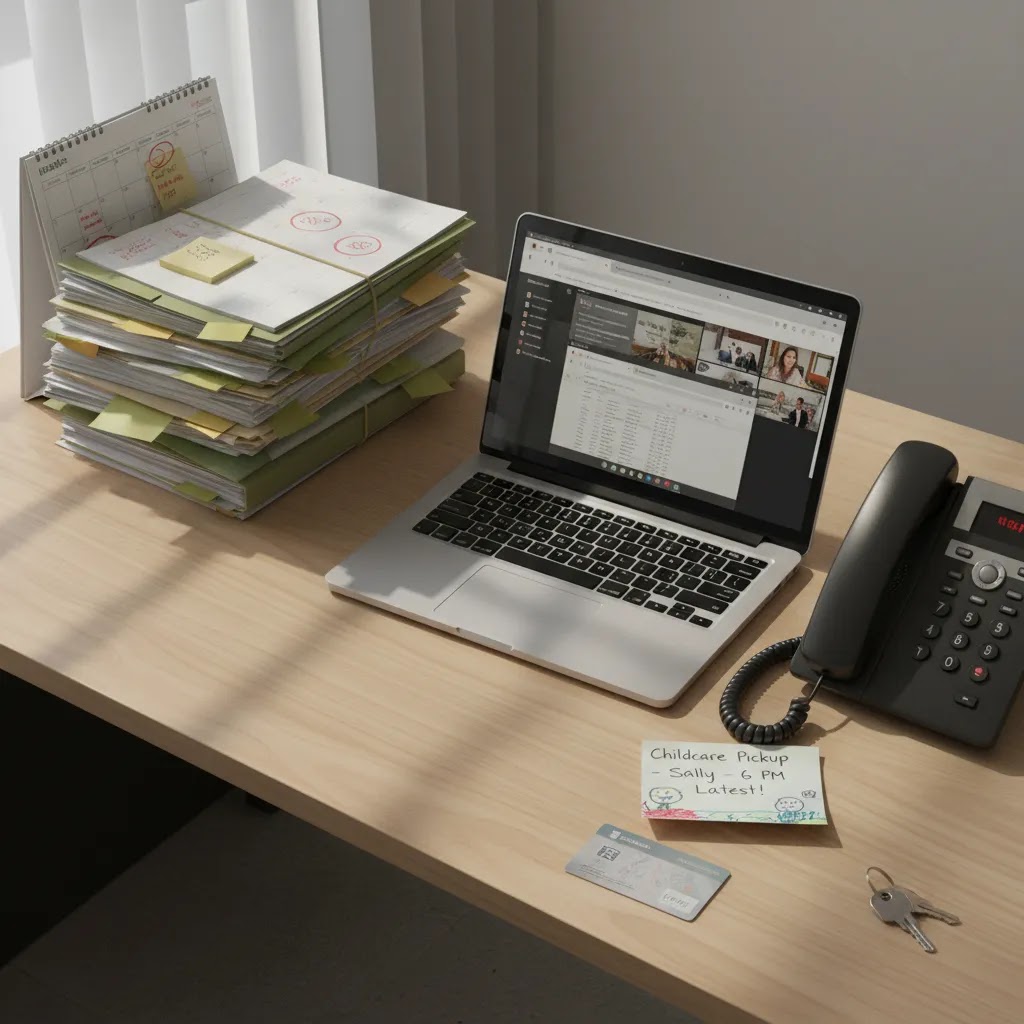
Here’s the thing: many people wait for job stress to become undeniable before taking it seriously. In real life, it often starts as small shifts that are easy to dismiss as “just a busy period.” Catching those early signals matters. It can help you seek support while you still have some room to breathe, rather than only when you are already running on empty.
Common job stress signals often show up across a few areas at once:
- Physical signals: headaches, jaw or shoulder tension, stomach discomfort, appetite changes, feeling wired but tired, sleep changes (trouble falling asleep, waking early, restless sleep).
- Emotional signals: irritability, impatience, feeling unusually tearful, feeling flat or numb after work, a shorter fuse with colleagues or family.
- Cognitive signals: trouble focusing, re-reading the same email repeatedly, forgetfulness, more second-guessing than usual, feeling mentally “noisy” even after logging off.
- Behavioral signals: withdrawing from coworkers, avoiding messages, procrastinating tasks you normally handle, staying later because starting feels hard, increased reliance on alcohol, nicotine, or caffeine to get through the day.
Consider this: a useful self-check is not “Am I stressed?” but “What changed recently?” You might ask yourself:
- What changed in the past 2 to 4 weeks, even if it seems minor?
- What feels harder than it used to, even if I can still do it?
- What part of my day am I starting to avoid, dread, or over-prepare for?
- When I get a break, do I recover, or do I stay tense anyway?
If you notice a pattern, it does not mean anything is “wrong” with you. It may simply be information. Your body and attention may be telling you that the current setup is taking more than it gives back.
Common job stress triggers in Singapore workplaces
Job stress Singapore triggers linked to workload and hours
1. Heavy workload with little control. One of the clearest patterns in singapore job stress is high demand paired with low decision-making power. You may be responsible for results but have limited say over deadlines, staffing, workflow, or client scope. That combination can wear people down quickly.
2. Long-hours culture and digital spillover. Even where official hours look reasonable, work can stretch into nights through email, chat apps, or last-minute requests. As a result, your body may never get a clear signal that the workday is over. Stress can then stay elevated longer than you realize.
3. Ambiguity disguised as flexibility. Flexible roles can be positive, but they can also become vague roles. If priorities keep shifting and nobody is sure what “good enough” looks like, people often overwork just to stay safe.
Job stress Singapore triggers linked to culture and life load
4. Hierarchy and fear-based communication. In some workplaces, staff may hesitate to raise concerns, clarify expectations, or disagree with a superior. That silence can create avoidable mistakes, resentment, and chronic tension.
5. Public-facing emotional labor. Healthcare, education, service, social care, and client-facing corporate roles often require calm, patience, and emotional self-control for hours at a time. That invisible effort counts. It can feel exhausting even when the work looks smooth from the outside.
6. Commute, caregiving, and life admin. Job stress is rarely only about the office. Parents, caregivers, and people supporting aging family members may feel pressure from both sides. So even a reasonable workload on paper may still feel unsustainable in real life.
7. Peer comparison and achievement pressure. In high-performing environments, stress may come from the feeling that everyone else is coping better, learning faster, or advancing sooner. That comparison loop can push people to hide strain until it becomes harder to manage.
If workplace pressure already feels constant, gentler grounding practices such as mindfulness singapore options may help some people create a small pause between work stress and the rest of the day. You can also explore practical steps for work stress singapore if you want simple ways to respond. Not every method fits every person, though, especially if sitting quietly feels agitating rather than calming.
Job stress Singapore at the source: work content vs work context
What many people overlook is that “job stress” is not one type of problem. In practice, it often helps to separate stressors into two buckets. The reason is simple: the fix is often different.
Job stress Singapore from work content
Work content is the work itself and how it is designed day to day. Common examples include:
- Workload and pace: too much to do, too many urgent requests, too many parallel projects.
- Schedule and hours: long hours, unpredictable shifts, late meetings across time zones, constant after-hours messaging.
- Role scope: being asked to do “everything,” unclear ownership, repeated last-minute changes, unclear “done” criteria.
Job stress Singapore from work context
Work context is the environment you are doing the work inside. Common examples include:
- Culture and psychological safety: whether it feels safe to ask questions, raise issues, or say you need support without being punished or labeled.
- Relationships: conflict, blame, cliques, micromanagement, lack of trust, poor feedback habits.
- Leadership style: unpredictable priorities, unclear decision-making, or “everything is urgent” expectations.
- Home-work interface: caregiving load, commute strain, and the expectation that work can override personal constraints.
Think of it this way: recovery tools can help you get through a hard week, but some stressors are design problems, not personal resilience problems. Therefore, mapping the source can make your next step less generic:
- If the stress is mainly work content, employer actions that often matter most include staffing, deadline realism, clearer scope, protected focus time, better handovers, and clearer after-hours boundaries.
- If the stress is mainly work context, employer actions that often matter most include manager capability, safer feedback channels, clearer escalation paths, and consistent norms around respect and communication.
Both buckets can exist at the same time. For example, if your role is overloaded and your manager feels unsafe to talk to, you may need a mix of structural changes and a different support pathway, not just one workshop or one coping method.
Employer support programs you may come across

Employer help varies widely. Some programs are thoughtful and well-used. Others exist mostly on paper. Knowing the difference can save you time and disappointment.
Employee Assistance Programs. Often called EAPs, these usually offer short-term confidential counseling, a helpline, or referral support. They may be useful for early support, but session limits, wait times, and provider fit can vary.
Manager training. A workplace may train managers to notice overload, hold supportive check-ins, and refer staff to internal resources. This matters because even a well-designed benefit can fail if the direct manager is dismissive or unsafe to approach.
Flexible work arrangements. Hybrid schedules, adjusted hours, or temporary workload changes may ease stress for caregivers, neurodivergent staff, or employees recovering from a difficult period. Flexibility works best when it is a real option, not an informal perk only some teams can use.
Well-being days and leave policies. Some employers offer mental health days, recharge leave, or broader personal leave policies. Helpful in theory, yes. Still, these supports only work if employees can use them without subtle penalties.
Workshops and preventive education. You may see talks on burnout prevention, sleep, communication, resilience, or stress management. These can help with awareness, but they should not replace staffing fixes, role clarity, or better leadership practice.
Creative and reflective supports. Some workplaces are gradually opening up to nonverbal or guided reflective tools, especially for staff who struggle to explain feelings directly. That is one reason some readers also explore the Art Therapy Singapore category or read about the benefits of art therapy for adults as a gentler complement to verbal approaches.
What job stress Singapore guidance often expects in practice
Now, when it comes to job stress singapore guidance, it helps to know that Singapore workplace expectations are not only “nice to have” wellness ideas. The Tripartite Advisory on mental well-being at workplaces is one example of local guidance that encourages employers to treat mental well-being as a shared responsibility at work, not only an individual coping project. It is issued by Singapore’s tripartite partners, the Ministry of Manpower (MOM), the National Trades Union Congress (NTUC), and the Singapore National Employers Federation (SNEF).
Job stress Singapore guidance beyond posters and talks
In plain English, guidance like this tends to push for practical measures that make day-to-day work healthier, not only posters and occasional talks. It generally emphasizes that:
- Employers play a role in shaping work design, workload, and culture, which can reduce avoidable stress.
- Managers need basic capability to notice strain, hold respectful conversations, and respond appropriately, because they shape the lived experience of “policy.”
- Employees should be able to raise concerns earlier, without being shamed or punished for it.
What job stress Singapore support looks like day to day
Consider this: a “good faith” approach usually shows up in the boring details, the parts you can test in real life. Examples often include:
- Workload and work design reviews: not just telling people to manage stress, but checking whether headcount, targets, and timelines are realistic.
- Clear roles and expectations: reducing ambiguity so people do not overwork just to protect themselves.
- Manager training that changes behavior: regular check-ins, clearer prioritization, respectful feedback, and knowing how to support someone without prying.
- Psychological safety in practice: people can flag risks, ask for clarity, or admit a mistake without fear-based escalation.
- Access to support: resources that are confidential, usable, and communicated in a way that does not imply “only weak people need this.”
From an employee standpoint, you can use these expectations as a lens when you are trying to tell whether your workplace support is real or mostly symbolic. If you are evaluating a program, you might ask HR or your manager questions like:
- How does the team review workload and reprioritize when everything feels urgent?
- What happens if I raise a concern about unrealistic deadlines, is there a clear process?
- Are managers trained on supportive check-ins, and is that part of how leadership performance is assessed?
- How is confidentiality handled for any support service, and what is the boundary of what gets shared back to the company?
- If I need a temporary adjustment, what does “yes” look like, and who approves it?
A supportive answer does not need to be perfect. Instead, you are listening for real backing, clear processes, and consistent behavior, not just a wellness campaign message. If you want a wider picture of pressure patterns, you can also read stress levels in singapore for broader context.
Pros and Cons
Strengths
- Employer support programs may lower the barrier to getting help, especially for people who would not search on their own.
- Confidential short-term support can create an earlier off-ramp before stress grows heavier.
- Flexible scheduling or workload adjustments may help with real-life strain, not just emotional coping.
- Manager education can improve day-to-day team culture if it is taken seriously.
- Preventive education may normalize stress conversations and reduce shame around asking for support.
Considerations
- A benefit can look good in policy documents but still feel unsafe to use in practice.
- Short-term programs may not be enough for persistent or high-risk situations.
- Some employers focus on workshops while leaving root causes like understaffing or poor management untouched.
- Not every support style suits every person, especially if it relies heavily on talking before someone feels ready.
Who this guide is for

This article is for employees, managers, caregivers, and HR readers trying to understand job stress singapore patterns without turning the topic into vague wellness talk. It may be especially useful if you are asking practical questions such as: Is this stress mostly about workload, role design, or team culture? Is my company’s support meaningful or mostly symbolic? What should an employer program include if it is meant to help real people, not just tick a box?
A gentle next step if words feel hard
Some people can explain work stress clearly. Others only know that their shoulders stay tense, their mind stays busy, or they feel flat after logging off. DailyLemons is designed for that quieter, harder-to-name space. Its approach leans gentle, reflective, and non-clinical, with room for creative emotional processing when ordinary self-help language feels too sharp or too demanding.
If you are not ready for a big step, you could start small. Read around the themes that connect work pressure to emotional recovery, explore broader mental wellness resources, or look at creative approaches that may help you express what words keep missing. That kind of support does not replace formal care or workplace policy change. Still, it may give you a softer way to notice what the stress is doing and what kind of support might help next.
How to judge whether employer support is actually helpful
1. Check confidentiality first. If employees are unsure who sees what, usage may stay low no matter how good the service is. A trustworthy program should explain privacy boundaries in plain language.
2. Look for structural support, not only coping advice. Stress workshops have a place, but they should sit alongside workload review, clearer expectations, healthy staffing, and reasonable boundary-setting. If the only answer is “be more resilient,” the program is probably too narrow.
3. Ask whether managers are part of the solution. Employees usually experience work through their direct team. If managers are untrained, inconsistent, or punitive, even generous benefits may go unused.
4. Notice accessibility. Is support offered during realistic hours? Is it available to shift workers, junior staff, contract staff, or remote employees? Can someone get help without multiple approval layers? In practice, access often matters more than a polished launch email.
5. Match the support style to the people using it. Some employees want short-term counseling. Others want peer support, flexibility, quiet rooms, manager check-ins, or reflective tools that do not depend entirely on verbal fluency. A stronger program usually gives more than one pathway.
For employers, this is where job stress singapore benefits become more tangible. Better support may help retention, reduce friction inside teams, and improve day-to-day functioning. For employees, the more immediate question is simpler: does this support feel usable in real life, by real people, under real pressure?
If you are comparing approaches for your own recovery, you may also want to explore movement, breathing, creative practices, boundary changes, and realistic rest, not just one method. No single option works for everyone, and support often works best in combination. For example, some people prefer stress relief activities singapore that feel practical and low-pressure.
Frequently Asked Questions
What is job stress in Singapore, in simple terms?
It usually means strain linked to work demands, workplace conditions, or work relationships. In Singapore, common examples include long hours, unclear expectations, heavy responsibility, difficult management, and pressure that continues after official work hours. The exact cause may differ from one role to another.
Is job stress the same as burnout?
No. Job stress can be short-term, situational, or manageable with the right support. Burnout is often used to describe a more prolonged state of exhaustion, detachment, and reduced effectiveness linked to chronic work strain. Stress may build toward burnout, but the terms are not identical.
What are common job stress examples in Singapore offices?
Examples include repeated late-night requests, unclear priorities, staffing shortages, fear of making mistakes, difficult team dynamics, constant client demands, and pressure to stay available while on leave. These issues often overlap, which is why a single coping tip may not solve the full problem.
What are the signs of work stress (not just feeling “busy”)?
Signs often show up as a cluster of changes, not one dramatic moment. You might notice headaches, sleep changes, muscle tension, or feeling wired but tired. You might also notice irritability, feeling emotionally flat after work, trouble concentrating, more mistakes, avoidance, or withdrawing from colleagues. If you are unsure, a practical question is: what changed in the past 2 to 4 weeks, and what feels harder than it used to?
What causes work stress most often: workload, culture, or poor role clarity?
Often it is a mix. Workload and pace are common, but role clarity and culture can intensify the pressure. Unclear expectations can push people to overwork, and a fear-based culture can make it harder to ask for prioritization or support. Separating stress into “work content” (workload, hours, role scope) versus “work context” (culture, relationships, leadership style) can help you see what kind of fix is actually needed.
What should a good workplace mental well-being policy include in Singapore?
Policies vary by employer, but strong workplace practice typically goes beyond talks and posters. It often includes confidential access to support, clear boundaries around privacy, trained managers who can hold respectful check-ins, and practical processes for workload review and role clarity. In Singapore, guidance from tripartite partners such as the Ministry of Manpower (MOM), the National Trades Union Congress (NTUC), and the Singapore National Employers Federation (SNEF) tends to encourage shared responsibility and practical measures that make daily work safer and more sustainable.
How can I talk to my manager or HR about workload stress without it backfiring?
It can help to keep the conversation concrete and work-focused. For example: name what is on your plate, what is changing, and what trade-offs are required, rather than only saying you feel stressed. You might ask for prioritization, deadlines that can move, or a temporary adjustment with a review date. If you are worried about how it will be received, you can frame it as a quality and risk conversation: “Here are the current commitments, here is what may slip, what do you want me to prioritize?” If your workplace offers confidential support, that can also be a lower-pressure place to rehearse what you want to say before you say it.
Do employer wellness programs really help?
They can help, especially if they are confidential, accessible, and supported by healthy management practice. Their value drops if employees fear being judged for using them or if the organization ignores root causes like unrealistic workload, poor communication, or weak staffing.
What should I look for in an Employee Assistance Program?
Look for clear privacy information, easy booking, realistic session access, a range of provider styles, and a simple referral process if more support is needed. It also helps if the program is communicated regularly, not only during crises or annual wellness campaigns.
Can creative tools help with work stress?
For some people, yes. Creative and nonverbal methods may help when work stress feels hard to explain out loud. Drawing, guided reflection, or visual emotional check-ins can offer a lower-pressure way to notice patterns. They may complement other support, rather than replace workplace changes or professional care.
What can employers do besides offering workshops?
They can review workload, improve staffing, clarify roles, train managers, reduce after-hours contact expectations, make leave easier to use, and create safer feedback channels. These changes often affect daily stress more directly than one-off educational sessions.
When should job stress be treated as urgent?
If stress is tied to feeling unable to stay safe, severe functional decline, panic that feels unmanageable, or a crisis at home or work, urgent support may be needed. In those situations, contact local emergency services or an appropriate crisis resource right away rather than relying on workplace wellness benefits alone.
Key Takeaways
- Job stress in Singapore often grows from workload, unclear roles, digital spillover, and team culture, not just from being busy.
- Employer support is most useful when it combines confidential help with real workplace changes.
- Programs that look generous on paper may still fail if employees do not feel safe using them.
- Different people need different forms of support, including nonverbal or creative options.
- Early support may help, but urgent or high-risk situations need faster and more direct care.
Conclusion
Work stress can shrink your world quietly. It can make ordinary tasks feel heavier, blur the line between effort and depletion, and leave you wondering whether you are overreacting or simply overdue for support.
You do not need to settle that question perfectly before paying attention to what your work life is asking of you. If this article helped you name a few patterns, that is already useful. If you want a softer place to keep exploring, DailyLemons offers reflective resources that may feel gentler than standard productivity-style advice. You can keep reading, compare support ideas across topics, and take the next step at your own pace.
This article is for educational purposes only and does not provide medical, legal, or employment advice. Workplace policies, support programs, eligibility, confidentiality terms, and access rules may vary by employer and may change over time. Verify details directly with the relevant organization before relying on any program. If you are in immediate danger, feel unable to stay safe, or need urgent support, contact local emergency services or an appropriate crisis resource in Singapore right away.