Work Stress Singapore: Practical Steps (2026)
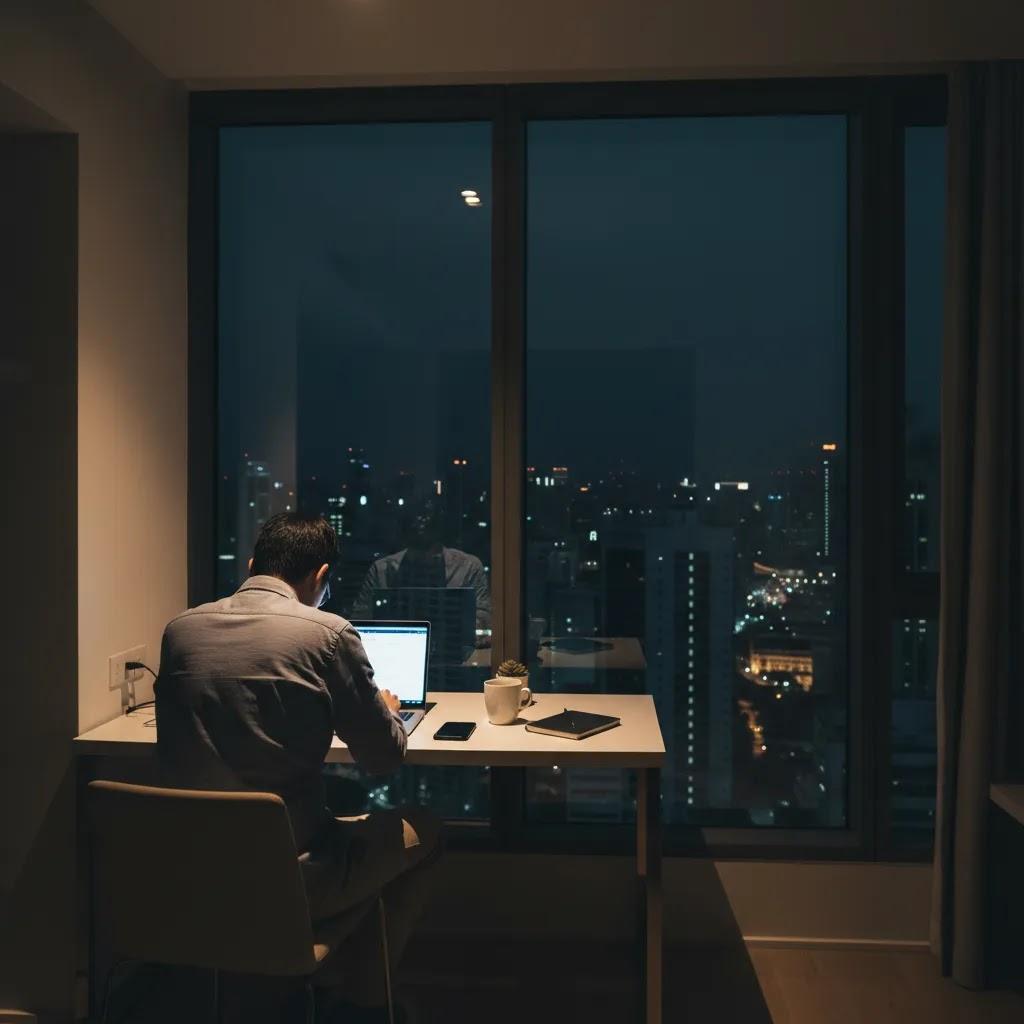
Work stress Singapore can look quiet at first. Sometimes it looks like answering one more message at 11 p.m., waking up tired after a full night in bed, or feeling tense before Monday has even started.
If that feels familiar, you are not failing at adult life. You may be carrying more pressure than your mind and body can comfortably hold.
This work stress Singapore guide is for people trying to cope in practical, realistic ways, especially when time, energy, and privacy all feel limited. You will find clear signs to watch for, small strategies that can help this week, and guidance on when work stress Singapore may need more support than self-management alone.
If you want a broader view of emotional support options, you can also explore mental wellness singapore.
What work stress Singapore can feel like
Work stress usually means the strain that builds when job demands feel heavier than your current capacity, support, or recovery time. In real life, that can show up as mental overload, emotional irritability, sleep disruption, stomach tension, headaches, or the sense that you are always slightly bracing for the next task.
Some people feel it as urgency. Others feel flat, detached, or strangely numb. You might still be functioning well on paper while feeling less and less like yourself.
Work stress Singapore patterns may also be tied to commute time, long hours, high performance expectations, shift work, caregiving demands at home, or the pressure to stay constantly available online. That is part of why coping needs to be practical, not idealized.
If you are also curious about quieter regulation practices, our guide to meditation singapore may give you another gentle entry point.
From a practical standpoint, it can help to sort stress signals into a few buckets so they feel easier to notice and track.
- Physical signs: tight jaw or shoulders, headaches, stomach discomfort, shallow breathing, feeling wired, feeling heavy, and sleep that feels “light” even when you get hours.
- Emotional signs: irritability, teariness, low patience, dread, feeling numb, or feeling like small things hit too hard.
- Mental signs: looping thoughts, forgetfulness, more mistakes than usual, difficulty prioritizing, and the sense that your brain is always “open tabs.”
- Behavioral signs: avoiding messages, procrastinating, working later to catch up, scrolling to shut down, snapping at people, or withdrawing socially.
None of these automatically mean something is “wrong” with you. They often mean your system is asking for less load, more support, or more recovery than it is getting right now.
Pressure points behind work stress Singapore
Work stress rarely comes from one thing alone. It often grows from stacked demands that leave very little room to recover. In Singapore, a few patterns tend to make that load feel sharper.
- Long working hours or after-hours contact. Even brief late-night check-ins can keep your nervous system in work mode.
- High cost-of-living pressure. Financial pressure can make it harder to reduce overtime, change roles, or take leave.
- Compressed schedules. Many jobs expect speed, responsiveness, and accuracy at the same time.
- Caregiving and household labor. For many women especially, the workday does not end when paid work ends.
- Self-silencing at work. You may hesitate to name a workload issue if the culture rewards endurance.
This matters because the coping method needs to match the pressure pattern. Someone who is overstimulated may need a different approach from someone who feels emotionally drained or quietly resentful.
For broader emotional context, you can also browse the Anxiety, Stress & Emotional Wellness section. If you want a wider picture of local patterns, you can also read stress levels in singapore.
Work stress Singapore self-check: what is driving it most?

Here’s the thing. “Work stress” can come from the work itself, or from the environment around the work. Those can look similar in your body, but they often need different solutions.
Step 1: Is work stress Singapore mostly about content, context, or both?
Read the lists below and notice which side feels most true in your day-to-day. You do not need a perfect score, just a direction.
Work content (the job mechanics)
- Workload is consistently too high for the time available.
- The pace is relentless, there is no catch-up window.
- Hours are long, unpredictable, or shift work disrupts your recovery.
- Role expectations feel unclear, or you keep getting last-minute tasks.
- You are doing work that requires intense focus for long stretches without breaks.
Work context (the environment you do it in)
- The culture rewards being “always on,” even when it is not necessary.
- You feel unsafe to ask questions, set boundaries, or admit capacity issues.
- Relationships feel tense, political, or emotionally draining.
- You are carrying unspoken conflict, resentment, or fear of being judged.
- Home-work interface is messy, for example caregiving demands, lack of rest space, or constant interruptions.
What many people overlook is that stress from work context often needs some kind of relational or structural change, not just personal calming tools.
Step 2: Use “if-then” guidance for work stress Singapore
- If it is mostly work content, then start with the article’s boundary steps and prioritization, and consider a workload or role-clarity conversation. The “separate urgent from important” step and “build one visible boundary” step tend to matter most here.
- If it is mostly work context, then focus on transition rituals, body resets, and deciding whether you need private, social, or professional support. The goal is to create enough steadiness to think clearly about what is and is not safe to address at work.
- If it is both, then use a two-track approach: one small daily regulation tool (body resets, transition ritual) plus one practical capacity action (boundary, task scope, workload documentation, or support escalation).
Some stressors are structural. If staffing is too lean, expectations are not realistic, or the culture punishes boundaries, individual coping may help you get through the week. However, it may not fix the underlying pressure.
That is why the section on stepping up support matters. You can also compare related patterns in our job stress singapore guide.
Practical steps for work stress Singapore this week
If you want to cope with work stress without turning it into another big project, start smaller than you think you should. The goal is not to become perfectly calm. Instead, the goal is to reduce friction and give your system more chances to come down from constant alert.
1. Name the exact stressor
Try to get specific. Is the hardest part workload, unclear expectations, people pressure, conflict, boredom, or never fully switching off? “I am stressed” is true, but it is often too broad to guide action.
2. Separate urgent from important
At the start of the day, choose the top one to three tasks that actually move work forward. This may reduce the mental scatter that comes from treating every ping like a fire.
3. Build one visible boundary
That could mean turning off notifications during lunch, delaying non-urgent replies after a certain hour, or blocking 30 minutes for focused work. One boundary you can keep is better than five you cannot.
4. Use short body resets
Stress is not only mental. A one-minute shoulder drop, unclenching your jaw, standing up, slow exhale breathing, or a brief walk to the pantry can interrupt the buildup. If stillness feels hard, movement may work better than silent reflection.
5. Create a transition ritual after work
Your body may need help noticing that the workday is over. A shower, a playlist for the commute home, changing clothes, or five minutes of drawing can create that signal.
6. Reduce decision fatigue at night
Prepare one simple dinner option, set clothes out early, or write tomorrow’s first task before bed. This may help if work stress Singapore is spilling into sleep.
7. Track patterns for one week
Notice what times, people, tasks, or settings make the stress spike. You do not need a perfect spreadsheet. A few notes in your phone can reveal where support or boundaries might matter most.
Work stress Singapore and burnout: early warnings
Consider this. A high-stress week can feel intense, but you can usually recover if you get real rest and the pressure eases. Burnout tends to feel different. It often shows up as reduced capacity and reduced recovery. You may be resting, but not restoring.
This is one reason people get confused. They tell themselves they are “just tired,” then feel alarmed when a weekend, a day off, or even a vacation does not bring them back to baseline.
High stress vs burnout (plain language)
- High stress often feels like you are running fast, and you know why. Your body is activated, but there are still moments where you can come down.
- Burnout often feels like your battery is not charging. Even small tasks can feel heavy, your tolerance is lower, and you may feel detached from work, people, or yourself.
Burnout can also overlap with other forms of emotional strain, sleep issues, or health concerns, so it is not something you have to diagnose on your own. Still, noticing early signals can help you respond sooner.
Early warning checklist you can track for one week
If several of these are true most days, it may be a sign to step up support rather than only trying to push through.
- Sleep that never restores. You get hours in bed, but you wake up tired or wired.
- Emotional numbness or flatness. It is harder to care, even about things you normally value.
- Cynicism or irritability. You feel increasingly negative, snappy, or resentful, especially toward work.
- More mistakes or slower thinking. You reread emails, forget steps, or feel foggy.
- Dread before work. You feel a heavy drop in your stomach before Monday, before meetings, or before opening your inbox.
- Persistent physical tension. Jaw clenching, headaches, stomach tightness, shoulder pain, or shallow breathing becomes your default.
Now, when it comes to the pattern tracking step from earlier, this is where it becomes especially useful. If you can connect these signals to specific times, tasks, or environments, you get clearer data on what is draining you and what helps you recover, even slightly.
What to do next if burnout seems likely
If you suspect you are moving from “stressed” into “burned down,” the goal is not to perfect your routine. Instead, the goal is to reduce load and increase support as soon as you can, in realistic ways.
- Scale down where possible. Look for one commitment you can pause, one deadline you can renegotiate, or one standard you can lower temporarily without harm. Small reductions can matter when your capacity is low.
- Use leave if it is available. If you have annual leave, medical leave, or time-off options, consider using them earlier rather than waiting for a breaking point. If you are unsure what applies, check your employer’s policy or ask HR in a neutral way.
- Document workload issues. Keep a simple record for one to two weeks: what you were assigned, what changed, after-hours requests, and what fell off. This can support a clearer conversation about what is realistic.
- Escalate support. Some workplaces offer EAP counseling, and some people prefer starting with a GP who can help you assess sleep, fatigue, and next steps. A licensed mental health professional can also help you sort through work context issues like conflict, fear, or chronic overwhelm.
If you feel unable to stay safe, or you are having thoughts of harming yourself, treat that as urgent and seek immediate help through local emergency or crisis resources in Singapore right away.
When work stress Singapore needs more support

Some work stress can improve with rest, boundaries, and better support. Some does not. If your sleep is regularly disrupted, you feel constantly on edge, your mood is sinking, or ordinary tasks feel much harder than usual, it may be time to speak with a qualified health professional or counselor in Singapore.
You may also need a different level of support if work stress Singapore is affecting your appetite, relationships, concentration, or sense of safety. If you feel unable to stay safe, seek urgent help right away through local emergency or crisis resources.
Workplaces sometimes offer Employee Assistance Programs, human resources support, or manager conversations about workload. Those routes can help in some settings, though privacy and usefulness vary by employer. If you are unsure where to begin, a GP or licensed mental health professional may help you sort out next steps.
Work stress Singapore support options at work
Work stress is personal, but many solutions are partly workplace-level. If your stress is being driven by workload, unclear expectations, or a culture of constant urgency, it can be reasonable to ask what support exists and how it works in practice.
Common workplace supports (and what they typically help with)
- Workload conversations. Useful when your tasks exceed realistic time, priorities keep shifting, or “urgent” has become the default.
- Role clarity. Useful when you are getting conflicting instructions, unclear ownership, or work that keeps expanding beyond your scope.
- Regular manager check-ins. Useful when stress builds quietly over time and only gets addressed once it is severe.
- Employee Assistance Programs (EAP). Some employers provide short-term counseling or referral support. Access, confidentiality details, and quality can vary.
- Flexible arrangements or temporary adjustments. In some roles, changes to hours, shift patterns, remote work days, or deadlines may be possible.
What many people overlook is that “available” does not always mean “clear.” Privacy and usefulness vary by employer, so it can help to ask a few practical questions before you share personal details.
What to clarify with HR (before you share more than you want to)
- Who will be informed if you access EAP or request an adjustment?
- What information is recorded, and where is it stored?
- Is the service provided by an external vendor or internal team?
- What kinds of support are offered, for example counseling sessions, manager mediation, workload review, or referrals?
- What is the process and expected timeline for reviewing a request?
In Singapore, there is also tripartite guidance on workplace mental well-being supported by the Ministry of Manpower (MOM), the National Trades Union Congress (NTUC), and the Singapore National Employers Federation (SNEF). You do not need to memorize a policy document to benefit from what this signals.
It reflects a broader expectation that employers should take reasonable steps to support well-being at work. It also suggests that employees can ask about channels, practices, and options without framing it as a personal failure.
How to prepare for a manager or HR conversation
Think of it this way. The goal is usually not to “prove” how stressed you are. Instead, the goal is to make the problem concrete and discuss one to two changes that could reduce pressure.
- Define the issue in observable terms. For example: after-hours requests, unrealistic turnaround times, frequent scope changes, or lack of role clarity.
- Bring one to two realistic adjustments. For example: a weekly priority check-in, clearer cutoffs for after-hours contact, renegotiating deadlines, or shifting a task temporarily.
- Set a follow-up point. Agree to review after two to four weeks so it does not become an open-ended promise.
A caution: if your environment feels retaliatory, dismissive, or unsafe, you may want outside advice first, for example from a GP, a licensed mental health professional, or appropriate employment support resources. In some workplaces, protecting your well-being also means being careful about what you disclose and when.
Gentle tools for work stress Singapore
Not everyone wants to process stress by talking it through in long detail. Some people need quieter, lower-pressure methods first. That is one reason creative tools can be useful alongside other forms of support.
Drawing, color-based prompts, collage, or simple mark-making may help you notice what the day felt like without needing the perfect words. This can be especially helpful if your brain feels crowded by meetings, deadlines, and social performance.
DailyLemons is designed around that softer kind of check-in. If talking feels too effortful, a guided creative reflection tool may offer a more approachable first step. You can explore related ideas in our Art Therapy Singapore resources, and if you are curious why creative methods resonate with many adults, see benefits of art therapy for adults.
You might also pair creative reflection with short grounding habits from our mindfulness singapore guide. Some days, words help. On other days, color, shape, and small pauses say more.
Pros and Cons
Strengths
- Practical coping steps can be started quickly without major cost.
- Small changes, such as boundaries and transition rituals, may reduce daily overload.
- Non-verbal tools can help when you feel too tired to journal or explain yourself.
- Tracking patterns can make workplace stress feel more understandable and less vague.
- Combining self-care, workplace adjustments, and professional support often gives more options than relying on one method alone.
Considerations
- Self-help strategies may not be enough if the workload or workplace culture remains harmful.
- Some people need external support before they can set boundaries safely or confidently.
- Creative or mindfulness-based methods do not solve structural workplace issues on their own.
- Relief may be gradual rather than immediate, especially if stress has been building for months.
Who this work stress Singapore guide is for
This work stress Singapore guide is for adults in Singapore who feel worn down by work, stretched across too many roles, or unsure whether what they are feeling “counts” as work stress. It may be especially useful if you want practical steps that fit real schedules, not ideal routines.
If you are a beginner, start with one change you can actually repeat. If you already know the basics, use this as a reset and look for the pattern that keeps your stress cycle going. If work stress Singapore is affecting your health, functioning, or safety, treat this article as a starting point, not the only support you use.
How to choose what to try first for work stress Singapore
Not every coping method fits every kind of work stress. A better question than “What is the best technique?” may be “What is making my week feel hardest right now?”
1. Match the tool to the stress pattern
If your stress feels fast and buzzy, body-based resets and notification boundaries may help more than deep reflection. If your stress feels heavy or numb, a short walk, sunlight, gentle structure, or a creative prompt may be easier to begin.
2. Pick a method with low resistance
The right strategy is often one you will still use on a tiring Wednesday. If a 30-minute routine feels unrealistic, choose a 3-minute version first.
3. Look at the source, not only the feeling
If one manager, one shift pattern, or one kind of task is driving most of the stress, coping may need to include a conversation, schedule change, or outside advice, not only calming exercises.
4. Decide whether you need private, social, or professional support
Some people regulate best alone. Others need a friend, peer, or therapist to help them process what is happening. If shame, fear, or conflict are central, support from a trained professional may be the safer route.
5. Check whether recovery is actually happening
If weekends, evenings, and leave days are not restoring you at all, that can be a sign to step up support. A strategy is only useful if it changes your lived experience, not just your intentions.
For readers building a wider support toolkit, DailyLemons can be one gentle place to start. The brand focuses on emotional reflection that feels human, low-pressure, and creative rather than clinical.
If you are not ready for intense self-analysis, you might explore a softer check-in through our broader resources on art therapy, mindfulness, and emotional wellness. You do not need to solve everything at once. Sometimes the next helpful step is simply finding a format that feels possible today.
Frequently Asked Questions
What is work stress in Singapore, in simple terms?
Work stress in Singapore usually means the mental, emotional, and physical strain that builds when job demands keep exceeding your current capacity or recovery time. It may come from workload, deadlines, workplace conflict, shift patterns, or after-hours expectations. The local context can make it feel sharper if long hours, commuting, or financial pressure are part of the picture too.
How do I know if stress at work is becoming too much?
If stress is starting to affect your sleep, mood, concentration, appetite, relationships, or ability to recover during off-hours, it may be moving beyond ordinary pressure. Feeling constantly tense, irritable, detached, or exhausted can be a sign to take it seriously. If you feel unable to stay safe, seek urgent support right away through appropriate local services.
What are the first steps to reduce work stress this week?
Start with one or two changes that lower pressure quickly. You might name the main stressor, reduce after-hours notification exposure, choose your top tasks for the day, or create a short decompression ritual after work. Keep the first step small enough that you can repeat it even on a busy day. Consistency matters more than intensity.
Can mindfulness help with work stress?
It may help some people, especially if stress shows up as racing thoughts, constant urgency, or difficulty shifting out of work mode. Mindfulness does not remove a difficult workload, but it can support awareness and regulation. If sitting quietly feels frustrating, try a shorter or more active approach first. Our guide to mindfulness singapore explores this in more detail.
Is meditation a good option if I feel burned out by work?
Meditation can be useful, but it is not the only path. If you are deeply exhausted or emotionally overloaded, silent practices may feel hard at first. Guided or brief formats may be easier than longer sessions. Some people do better with movement, drawing, or sensory grounding before meditation. If you want to compare options, see our overview of meditation singapore.
Can art-based coping really help adults with work pressure?
It can, especially for people who are mentally overloaded and do not want to process everything through words. A simple creative check-in may help externalize tension, notice patterns, and create a sense of pause. It is not a cure for workplace problems, but it can be a supportive tool. You can read more about the benefits of art therapy for adults.
Should I talk to my manager about work stress?
That depends on the workplace culture, your relationship with your manager, and what outcome you need. If the issue is workload, deadlines, role clarity, or staffing, a work conversation may help. It can be useful to bring specific examples and possible adjustments. If the environment feels unsafe or dismissive, you may prefer to seek outside support first.
Where can I explore broader support for emotional strain in Singapore?
You may want a mix of tools rather than one answer. Broader educational resources can help you understand what you are feeling and what kinds of support exist. Our guide to mental wellness singapore is one place to continue if work stress is starting to affect more than just your job.
What are the 5 stages of burnout?
Different sources describe burnout stages in slightly different ways, but a common five-stage pattern goes like this: (1) a push phase where you take on more and run on adrenaline, (2) rising stress where sleep, mood, or patience starts to fray, (3) chronic strain where exhaustion and cynicism become more regular, (4) burnout itself where capacity drops and recovery stops working the way it used to, and (5) a “habitual” phase where feeling depleted becomes the new normal. Not everyone moves through stages in a neat order, but the key signal is often the shift from “tired but recoverable” to “tired and not recovering.”
What are 5 signs of work-related stress?
Five common signs are: sleep disruption, constant physical tension (jaw, shoulders, headaches), irritability or low patience, difficulty concentrating or making decisions, and a sense of dread or heaviness before work. These signs can also have other causes, so if they are persistent or worsening, it may help to speak with a qualified health professional.
What is the 30 30 rule for burnout?
People use “30/30” in different ways, so it helps to treat it as a gentle rule of thumb, not a strict standard. One common version is: within the first 30 minutes after waking, take 30 minutes with no work inputs, such as email, messages, or news, to reduce that immediate spike into urgency. Another version is: after work, take 30 minutes as a buffer before you switch into other responsibilities. If you try a 30/30 approach, keep it flexible. Even a 5/5 version can be meaningful when your schedule is tight.
Key Takeaways
- Work stress in Singapore often builds from stacked pressures, not one bad day.
- Small, repeatable actions may help more than ambitious routines you cannot sustain.
- Body-based resets, boundaries, and after-work transition rituals are practical starting points.
- Creative, non-verbal tools may be useful if talking or journaling feels too tiring.
- If stress is affecting sleep, functioning, or safety, professional support may be the next right step.
Conclusion
Work stress can shrink your world in quiet ways. You may still be showing up, getting things done, and looking fine from the outside while feeling increasingly worn thin inside. That is reason enough to pause and pay attention.
You do not need a perfect routine or a dramatic breaking point before you respond to what your body and mind are telling you. Start with one practical change, then notice what softens and what stays hard.
If you want a gentler way to reflect on work stress Singapore, DailyLemons offers supportive resources around emotional wellness, mindfulness, and creative self-expression. You can explore those paths at your own pace, in a way that feels manageable rather than overwhelming.
This article is for educational purposes only and does not provide medical, mental health, legal, or employment advice. Support options, workplace policies, and public resources in Singapore may change over time, so verify current details directly with the relevant provider, employer, or authority. If work stress is severe, persistent, or affecting your safety, seek help from a qualified health professional. If you are in immediate danger or feel unable to stay safe, contact local emergency services or an appropriate urgent support resource in Singapore right away.