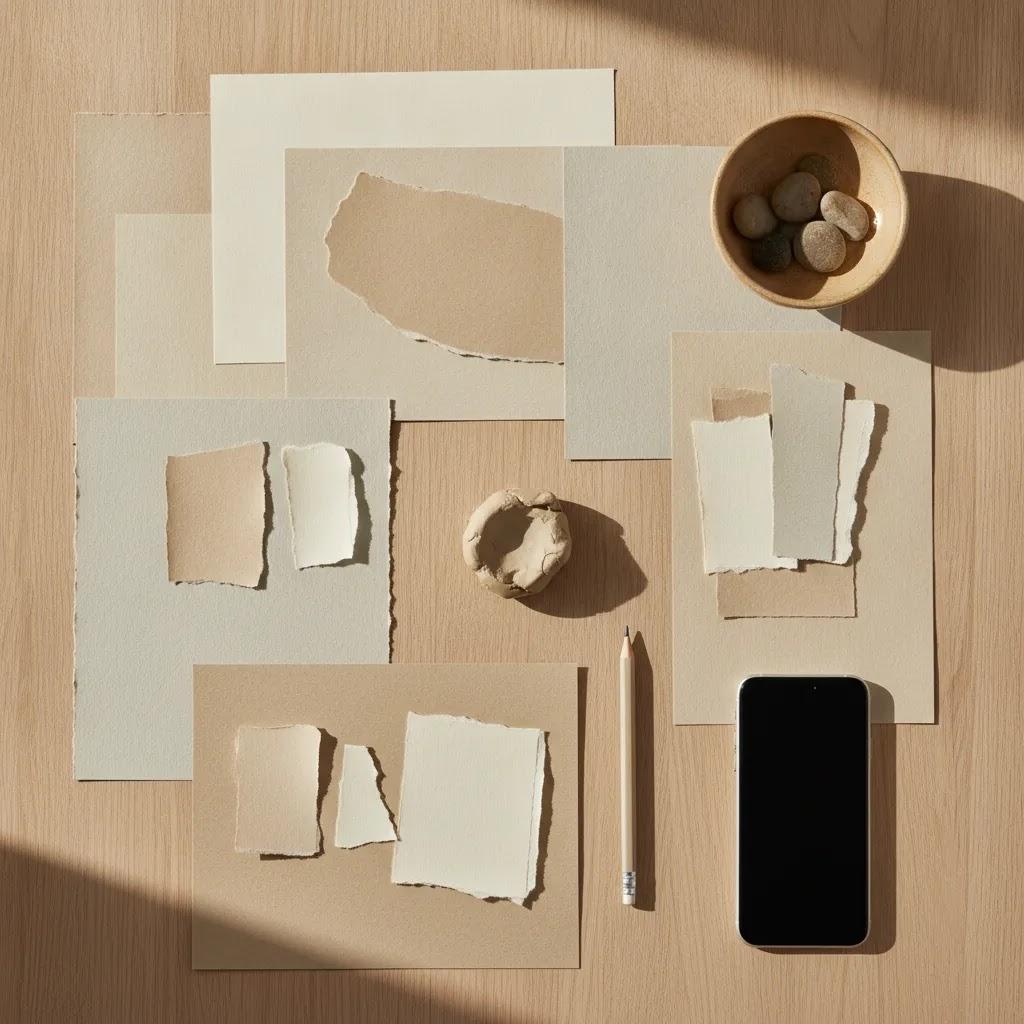
An expressive arts therapy tool is any material or guided format that helps you express feelings through creative action. It might be paper, collage, clay, movement prompts, or a short digital session. The best tools feel simple to start, gently structured, and supportive of reflection without adding pressure.
What helps a creative practice feel supportive instead of intimidating? Often, it is not talent. Instead, it is the tool in your hand, the amount of structure in front of you, and whether the material meets you where you are. In this review, I am looking closely at the tools and materials that tend to support expressive practice best, what each one does well, and where each may fall short.
If you are still learning the basics of expressive art therapy, this article stays focused on the practical question: what is actually useful to use, and for whom?
Expressive arts therapy tool review at a glance
Overall rating: 4.3/5
Best for: people who process feelings better through color, movement, image, or guided mark-making than through talking or long-form journaling
Who should skip it: anyone looking for a fully passive tool, or anyone needing urgent, high-touch human support rather than self-guided practice
Typical price: ranges from low-cost physical materials to app-based subscriptions; guided digital options may vary by provider
Quick verdict: The best expressive arts therapy tools reduce pressure, lower the blank-page problem, and make emotional expression feel possible in small steps. The worst ones may look creative but add friction, overstimulation, or self-criticism.
| Tool type | What it may help with | Main limitation |
|---|---|---|
| Markers and crayons | Easy starting, repeated shapes, low-friction use | Less tactile than pastels or clay |
| Collage materials | Distance from difficult feelings, lower pressure than drawing from scratch | Can still feel messy or open-ended for some people |
| Clay or putty | Grounding through pressure, shape, and touch | Not ideal if texture sensitivity is high |
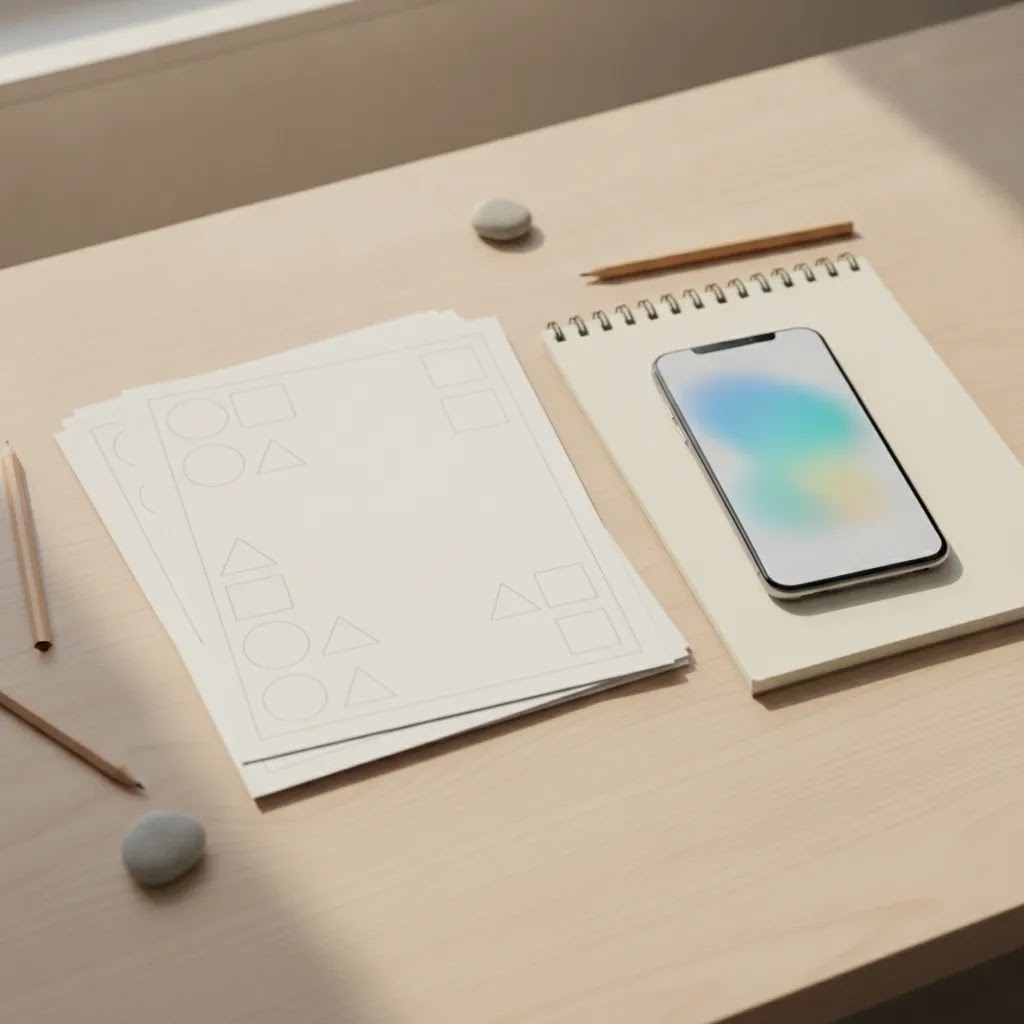
| Templates and guided worksheets | Structure and easier starting | May feel too narrow for people who want more freedom |
| Digital drawing tools | Privacy, portability, and guided pacing | May not match the sensory depth of physical materials |
What counts as an expressive arts therapy tool?
An expressive arts therapy tool is any material, prompt format, or guided medium that helps you externalize inner experience through creative action. That can include drawing supplies, collage materials, clay, movement prompts, music, visual templates, or structured digital exercises.
The key distinction is purpose. A pleasant art supply is not automatically therapeutic. What makes a tool supportive is how it helps with containment, expression, reflection, and emotional pacing. For example, a soft pastel may help because it moves easily and responds to pressure. A template may help because it reduces decision fatigue. Likewise, a guided app may help because it gives you a beginning, middle, and ending when you feel scattered.
If you want the broader clinical context, the role of an art therapist and different art therapy approaches matters. Still, for everyday expressive practice, the material itself often shapes whether you can start at all. If you want a wider overview, What Is Expressive Arts Therapy? A Multi-Modal Approach can help connect the tools to the larger model.
Expressive arts therapy tool types beyond drawing

Drawing tends to get the most attention, but expressive arts therapy tools are much broader than paper and image-making. Visual tools may include paint, collage, photography, found images, sandtray scenes, or simple color mapping. Movement-based tools may include stretching prompts, gesture drawing with the whole arm, walking reflection, or role-play that helps you act out rather than explain a feeling. Sound-based tools can include listening playlists, drumming patterns, humming, or making simple repeated sounds that give emotion a shape without needing words.
Writing and storytelling tools also belong here, especially for people who want structure without needing to produce a polished journal entry. That might look like sentence starters, poetry fragments, dialogue prompts, or short story-based reflection. Mixed-media options combine more than one route, such as pairing music with color, collage with a few written phrases, or movement followed by quick mark-making. These combinations often help when one mode alone feels too narrow.
Approachability matters. People who struggle with verbal expression may find rhythm, color, or movement easier than writing. Meanwhile, people who freeze when asked to invent an original image may do better with collage, photography, sand scenes, or guided templates because those formats lower the pressure to create from scratch. The useful question is not which category sounds most creative. It is which one gives you enough access to begin without feeling exposed too quickly. If you want more examples, 8 Expressive Arts Activities Blending Movement and Music offers a helpful next step.
Using an expressive arts therapy tool in real life
Different materials ask different things from your nervous system. Blank white paper and a pencil can feel freeing for one person and exposing for another. Clay can feel grounding because it gives resistance and weight. Collage can help when making original marks feels too vulnerable. Digital tools can help when you need privacy, portability, or guided pacing.
In practice, the most usable tools usually share three traits. They are easy to begin, forgiving if you change your mind, and nonjudgmental in how they look. That is why washable markers, soft crayons, pre-made shapes, mood-color templates, and short guided drawing sessions often work well for beginners.
More advanced or highly technical materials can still be meaningful, but they may pull attention toward performance. Watercolor, for example, can be beautiful and emotionally rich. However, it also requires patience, timing, and some tolerance for unpredictability. For some people, that is nourishing. For others, it becomes one more thing to “do right.”
Best expressive arts therapy tool materials
After reviewing common expressive practice materials, these are the ones that usually offer the best balance of access, flexibility, and emotional usefulness.
- Oil pastels and soft crayons: Easy to start with. Good for pressure, color blending, and bold emotional contrast. They can be messy, which some people love and others dislike.
- Markers: Clear, immediate, and low-friction. Great for structured exercises, mapping feelings, or repeating shapes. Less tactile than pastels or clay.
- Collage materials: Helpful when words or original drawing feel too open-ended. Cutting and arranging can create enough distance from difficult feelings.
- Clay or putty: Often grounding because it involves pressure, shape, and touch. Not ideal for everyone, especially if texture sensitivity is high.
- Templates and guided worksheets: Useful for people who freeze with a blank page. Heart maps, containers, body outlines, and emotion wheels can lower the starting barrier.
- Digital drawing tools: Practical for private use, repeated practice, and structured prompts. They work best when the design is gentle and does not feel like a productivity app.
For many readers, a mixed set works better than one “best” material. You may want one tool for grounding, another for reflection, and another for days when you barely have energy to begin.
How expressive arts therapy tool materials change the experience

The same prompt can feel very different depending on the material. Pencil usually offers control, precision, and a bit of emotional distance. It can suit people who need clear lines, low mess, and the option to erase. Soft pastels tend to do the opposite. They are more immediate, more tactile, and often more intense because pressure, smudging, and color saturation show up quickly. That can feel freeing, but it may also feel too exposed on a day when your capacity is low.
Collage often creates helpful distance because you are selecting, cutting, and arranging rather than generating every mark yourself. For some people, that makes it easier to approach difficult material indirectly. Clay and putty usually bring more sensory contact and more physical grounding. The weight, resistance, and repetitive hand pressure can help if you feel scattered. Still, strong texture or mess may be too much if you are already overstimulated.
Markers tend to sit in the middle. They are direct and clean, with less drag than pastel and less erasing than pencil. As a result, they can support quick feeling maps or repeated shapes without a lot of fuss. If you are unsure where to start, match the material to your current capacity as much as to your preference. Low-energy or easily overwhelmed days may call for cleaner, more structured options. Higher-capacity days may leave more room for mess, intensity, or experimentation.
Guided digital expressive arts therapy tool options
Guided digital tools deserve separate attention because they solve a very specific problem: needing support in the moment, without setting up a whole art space. This is where Daily Lemons stands out as a thoughtful option within Digital Art Therapy & Apps.
Its main strength is not just that it includes drawing. It is that the drawing is framed with therapeutic structure. Sessions are designed to be short, guided, and non-evaluative. That matters if journaling feels like homework, meditation feels too still, or blank-page art feels overwhelming. A calm voice, clear pacing, and simple prompts can make expressive practice more reachable.
Based on the available brand and methodology information, Daily Lemons is built around art-therapy-informed support rather than open-ended doodling. It emphasizes guided mark-making, emotional reflection without forced interpretation, short sessions of about ten minutes, and a private journal experience that can support ongoing practice. It also positions itself as an adjunct rather than a replacement for formal care, which is a meaningful trust signal.
There are limits. A digital tool may not satisfy someone who needs the sensory richness of clay, paper texture, tearing collage pieces, or large-body movement. It also depends on whether you like screens as part of your reflective space. If you do, this kind of format may be one of the most approachable ways to start. If you want local professional options, the art therapy singapore resource may be more relevant.
Daily Lemons can also be one helpful next step if you want a bridge between reading and practice. You might explore its guided sessions alongside broader resources in Art Therapy Fundamentals if you are still figuring out what kind of expressive tool fits your pace.
Expressive arts therapy tool pricing and value
Value is less about finding the cheapest material and more about finding the one you will actually return to. A $5 set of crayons can offer more practical value than a premium sketch kit if the simpler tool feels safer and easier to use.
Physical materials often fall into a few rough tiers:
- Basic supplies: paper, markers, crayons, glue, magazines, colored pencils
- Mid-range tactile tools: pastels, specialty paper, clay, collage packs
- Higher-cost setups: digital tablets, stylus systems, studio-grade materials
Digital guided tools add a different kind of value. You are not just paying for materials. You may be paying for pacing, prompt design, emotional structure, privacy features, and the ability to begin quickly. That can be worth a lot if your main barrier is activation rather than supply cost.
My value take is simple: expressive tools are worth it when they lower resistance and increase repeat use. They are not worth it when they look inspiring on a shelf but quietly trigger perfectionism, clutter, or avoidance. If cost is part of your decision, you may also want to read Is Art Therapy Worth the Cost? A Practical Breakdown.
Expressive arts therapy tool pros and cons
Expressive arts therapy tool strengths
- They can support expression when words feel too far away.
- Many options are beginner-friendly and do not require art skill.
- Tactile and visual materials may help with grounding, pacing, and sensory focus.
- Guided tools can reduce blank-page stress and decision fatigue.
- Different materials suit different emotional states, which gives you flexibility.
- Digital options can be private, portable, and easy to repeat.
Expressive arts therapy tool considerations
- Some materials may trigger self-criticism if they feel too technical or performance-based.
- Digital tools cannot fully replace the sensory depth of physical art materials for everyone.
- Without clear boundaries, expressive practice may feel emotionally stirring rather than settling.
- Highly open-ended tools can be hard for beginners who want structure.
Who an expressive arts therapy tool is best for
Expressive arts therapy tools are often a good fit for people who need a softer entry point into reflection. That includes teens, adults under stress, people who struggle to journal, and those who feel emotionally overloaded by talk-heavy methods. They can also suit neurodivergent users who prefer visual structure or sensory-based engagement.
They may be less suitable as a stand-alone option if you are in severe distress, feel unable to stay safe, or need direct professional support right away. In that case, self-guided materials can still be supportive, but they should not carry the whole weight of care.
Alternatives to this expressive arts therapy tool guide
If expressive visual tools do not feel like the right fit, a few adjacent options may make more sense:
- Traditional journaling: better if language comes easily and writing helps you organize thoughts.
- Somatic grounding tools: better if you need body-based regulation without any creative layer.
- In-person guided support: better if you want live attunement, feedback, and more careful pacing.
You can also look at related models within expressive work. Some people connect more with movement, sound, or story-based methods than drawing-based ones. That is one reason the larger field of expressive practice is broad. If that distinction feels blurry, Expressive Arts Therapy vs Art Therapy: Scope and Outcomes may help.
What to expect from an expressive arts therapy tool session
Self-guided use and professionally guided work can feel quite different, even when the materials overlap. On your own, you might choose a prompt, make something for a few minutes, and pause when you have had enough. In a guided setting, there is usually more structure around the beginning, the making process, the reflection, and the close. A session may start with a check-in or prompt, move into art-making, then make space to notice what came up before ending in a more settled way.
The point is not usually to produce a strong image or arrive at one perfect interpretation. More often, the goal is to create enough support around the process so the experience feels held rather than abrupt. Some professionals may include visual art only. Others may bring in movement, music, poetry, storytelling, or simple role-play, depending on their training and the setting. That broader expressive arts model works across modalities rather than treating drawing as the only path.
If you are looking for formal support, verify how the practitioner is trained and what standards apply where you live. Credentials, titles, and regulation can vary by region, and not every person offering creative support is regulated in the same way. In some places, licensing boards or professional associations provide directories or standards. For example, the Art Therapy Credentials Board and the American Art Therapy Association offer information on credentials and the profession. If you feel emotionally raw, easily overwhelmed, or unsure about pacing, guided support may offer more containment than solo practice, but it is still worth checking local qualifications carefully.
How to choose an expressive arts therapy tool well
If you are choosing an expressive arts therapy tool for yourself, or for someone you care about, these criteria matter most.
1. Ease of starting
The first question is not “Is this impressive?” It is “Can I begin with this on a hard day?” Tools that require setup, skill, or a lot of decisions may look appealing but go unused.
2. Sensory fit
Notice whether the material feels calming, neutral, or irritating. Some people love the drag of pastel on paper. Others need smooth marker lines or no tactile mess at all. Sensory mismatch is a real reason a tool gets abandoned.
3. Structure versus freedom
Beginners often benefit from more structure. Templates, short prompts, and guided flows can reduce pressure. If you already have a steady creative habit, you may prefer more open materials.
4. Privacy and portability
If you live with others, travel often, or want support at school or work, portability matters. Digital tools often score well here. Larger physical setups may be better for home use.
5. Emotional pacing
The best tool is not always the most expressive one. It is the one that helps you stay engaged without feeling flooded. In that sense, a simple shape-based prompt may be more useful than a fully open art exercise. This is also where reading about different art therapy approaches can help you understand why some materials feel more containing than others.
If you are evaluating a guided digital option, look for calm pacing, clear privacy practices, nonjudgmental language, and realistic claims. If a product suggests it can diagnose you, replace therapy, or guarantee outcomes, step back.
6. Match the expressive arts therapy tool to the goal
A grounding goal may pair better with clay, repetitive marker patterns, or simple movement prompts than with highly open image-making. A reflection goal may suit collage, photography, or guided journaling. If your goal is expression without many words, music, color work, or gesture-based tools may feel more natural. Matching the tool to the job often works better than asking one material to do everything.
Frequently Asked Questions
What is an expressive arts therapy tool?
It is a material or guided format used to support creative emotional expression. That could mean crayons, collage, clay, templates, movement prompts, or digital drawing exercises. The useful question is not just what the tool is made of, but whether it helps you express, contain, and reflect on experience in a manageable way.
What are expressive therapy tools?
Expressive therapy tools are the materials and prompt formats used across creative modalities, not only drawing. They may include visual art supplies, music and sound prompts, movement exercises, storytelling cards, poetry starters, photography, collage pieces, or digital guided activities. What makes them useful is their ability to support expression and reflection with enough structure for the person using them.
What tools do art therapists use?
That depends on training, setting, and client needs, but common tools include paper, pencils, markers, pastels, paint, collage materials, clay, body outline templates, image cards, and sometimes movement, music, or story-based prompts. Some practitioners also use photography, sandtray materials, or guided digital formats. The material itself matters, but so does how the session is paced and reflected on.
What is the expressive arts therapy model?
Rather than staying inside a single medium like drawing, expressive arts therapy tends to weave several forms of creative expression together. Someone working through a feeling might sink into color for a while, then let their body move, jot down a stray sentence or two, and finally settle on a small image that quietly holds everything they've touched on. What guides the shift from one form to the next isn't a fixed rule about sticking to one art form, it's simply whatever feels most manageable and safe in that moment.
How do I match an expressive arts therapy tool to my goal?
Start by asking what you need most in that moment. If you need grounding, tactile or repetitive tools may help more. If you need distance from a difficult feeling, collage or photography may feel safer than drawing from scratch. If you need expression without much language, music, color, or movement may be a better fit. If you need reflection with clear structure, guided prompts or templates often work well.
What is the best expressive arts therapy tool for beginners?
For many beginners, the best option is something low-pressure and easy to start, such as markers, crayons, collage pieces, or a guided digital drawing session. Tools with built-in structure tend to help more than highly technical supplies because they reduce perfectionism and make it easier to take one small step.
Do I need to be artistic to use these tools?
No. In expressive practice, the goal is not to make polished art. The goal is to notice and give form to what you are feeling. Many people who do not see themselves as artistic actually find these tools more approachable once the pressure to make something “good” is removed.
Are digital expressive arts therapy tools effective?
They may be effective for some people, especially when the main barrier is getting started. Guided digital tools can offer structure, portability, and privacy. Their limits are sensory depth and human attunement. They can be especially useful as a between-session support or a gentle first step, not as a universal answer.
Which physical materials are most calming?
That varies by person, but many people find soft pastels, crayons, clay, and repetitive marker-based exercises calming because they offer rhythm and sensory feedback. Others prefer collage because it adds distance and choice without requiring direct drawing. A small trial set is often the easiest way to learn your own fit.
Can expressive tools replace working with a professional?
Usually, no. They can support reflection, grounding, and emotional expression, but they do not replace individualized care when distress is severe, persistent, or tied to safety. If you are considering formal support, it may help to understand what an art therapist does and how guided self-practice differs from therapy.
How do I choose between digital and physical tools?
Choose based on your actual life, not your ideal setup. Digital tools may suit you if you want privacy, portability, and guided pacing. Physical tools may suit you if texture, resistance, and hands-on materials help you feel more present. Some people do best with both, using each for different moments.
Is expressive arts therapy only about drawing?
No. Expressive work may include movement, sound, writing, collage, image-making, and mixed creative processes. Drawing is only one route. If you want a broader overview of the field, the distinction between expressive practices and formal expressive art therapy is worth understanding before you choose tools.
Key Takeaways
- The best expressive arts therapy tool is the one you can actually begin using on a difficult day.
- Markers, crayons, collage, clay, templates, and guided digital sessions each support different needs.
- Structure matters as much as material, especially for beginners or overwhelmed users.
- Digital guided tools may offer strong value if privacy, pacing, and repeatability matter most to you.
- Self-guided expressive tools can support care, but they are not a substitute for urgent or high-need professional help.
Conclusion
Expressive arts therapy tools are not really about finding the fanciest materials. They are about finding a form that helps you make contact with yourself gently enough to stay with the process. For many people, the winning combination is simple materials plus a little structure. For others, a guided digital option like Daily Lemons may feel easier to return to because it reduces setup and blank-page pressure.
If you want to keep exploring, you might browse the wider Art Therapy Fundamentals resources or look through Digital Art Therapy & Apps for more option-specific guidance. A good tool does not need to do everything. It just needs to help you begin.
A gentle note before we go further: what you're reading here is meant to inform, not to stand in for medical or mental health guidance. Things like drawing, journaling, or other expressive practices can be lovely companions for slowing down, noticing your feelings, or working through a hard moment, but they're not a substitute for support from a licensed professional. If what you're carrying feels heavy, urgent, or unsafe, please reach out right away to emergency services, a crisis line, or someone qualified to help. And since titles, training, and oversight can look different depending on where you live, it's worth double-checking credentials and local standards if you're looking into formal care.