
Grief Therapy Singapore: Counselors & Groups (2026)
What helps after a loss when people keep asking if you are “doing better,” but time does not move in neat stages? If you are searching for grief therapy Singapore options, you may want something more specific than general emotional support. You may want a counselor who understands bereavement, a support group where you do not need to explain the basics, or simply a first step that feels manageable.
This grief therapy Singapore guide focuses on grief counseling specialists and bereavement support groups in Singapore, with practical ways to compare them. It is not a list of generic wellness ideas. If you want a broader map of mental health singapore support first, that can help too. For now, the goal is simpler: helping you find a grief support path that feels safe, realistic, and suited to where you are today.
Grief therapy Singapore: top picks at a glance
If you want to narrow the search quickly, sort options by the kind of support you want, not by one “best” provider. Private counselors, hospital or hospice-linked bereavement services, faith-based or community groups, and broader emotional wellness resources all offer grief care in Singapore.
- Private grief counselor or therapist: Best if you want confidential one-to-one support, a flexible pace, and room for complex or layered grief.
- Bereavement support group: Best if you want shared understanding, lower cost, and the relief of not feeling alone in the experience.
- Hospice or hospital-linked bereavement service: Best if the loss involved serious illness, caregiving, anticipatory grief, or a recent family death.
- Creative or expressive support alongside counseling: Best if words feel hard and you respond better to visual reflection, including resources in Art Therapy Singapore.
- Broader emotional support first: Best if you are not sure whether what you are feeling is grief alone or mixed with low mood, anxiety, or exhaustion. A related starting point may be our overview on depression singapore.
Where to look for grief therapy Singapore specialists
In Singapore, you can usually find grief support more easily when you search by service type. “Grief therapy” may appear under counseling, bereavement support, family service work, palliative care, or private psychotherapy directories. Useful search terms include grief counseling, bereavement counseling, loss support, anticipatory grief, child bereavement, and caregiver grief.
Private counselors may suit you if your loss feels complicated, longstanding, or hard to discuss in a group. For example, this can include sudden loss, miscarriage, divorce-related grief, estrangement, caregiving fatigue after a death, or grief that stirs older losses. A specialist may also help if you want support around anniversaries, sleep disruption, guilt, anger, or identity changes after a loss.
Hospital- and hospice-connected services may matter more if your loss involved cancer care, palliative care, dementia, or a long illness. These settings sometimes offer family follow-up, referrals, or grief groups because teams already build bereavement support into the care journey.
For some people, talking directly is not the easiest starting point. Gentle expressive approaches can help you process feelings that do not come out cleanly in conversation. That is one reason some readers also explore the Art Therapy Fundamentals section, or our art therapy fundamentals guide, and read about the benefits of art therapy for adults as a companion resource, not a replacement for grief counseling.
Types of grief therapy Singapore readers may see

When you browse grief therapy Singapore listings, the therapy labels may feel abstract at first. Here is the gentler truth: a label is only a starting clue. Two therapists can use the same approach in very different ways, and many providers blend methods in real grief work.
Still, it helps to know what each style usually emphasizes. That way, you can choose a grief therapy Singapore option that better matches what you need right now.
CBT for grief therapy Singapore support
CBT usually feels more structured and skills-based. In grief work, it may focus on the daily impact of loss, sleep disruption, anxiety spikes, avoidance patterns, or harsh self-talk. For example, it can help with looping guilt or “I should have” thoughts. Many people choose CBT when they want practical tools and a clearer session structure, especially when grief mixes with panic, rumination, or functioning challenges.
ACT in grief therapy Singapore settings
ACT often helps you make room for painful feelings without letting them run your whole day. Then it guides you toward small steps that still matter to you, even while grief is present. This approach may suit you if you feel tired of fighting your inner experience. It can also help if you want a gentle way to rebuild life around values, roles, and meaning without pretending the loss never happened.
EMDR and trauma-informed grief therapy Singapore care
Many people connect EMDR with trauma processing. It may help when the loss involved a disturbing scene, sudden death, intrusive images, nightmares, or a body-level sense of alarm that does not settle. Some people find it helpful when grief feels stuck in one specific moment. If your loss involved violence, an accident, suicide, or medical crisis, it is worth asking about trauma-informed support, whether that includes EMDR or another trauma-focused approach.
Person-centered therapy
Person-centered work is often warm, non-judgmental, and paced by you. It may suit you if you want space to talk and feel without being pushed into goals or “fixing.” It can also help if you have been holding it together for everyone else and need somewhere you can simply be honest.
Psychodynamic therapy
Psychodynamic therapy often looks at how your past, relationships, and attachment patterns shape the way grief lands. It may focus on identity shifts after loss, complicated family dynamics, anger that feels hard to admit, or earlier losses that resurface. Some people prefer this approach when grief opens deeper questions that feel bigger than coping skills alone.
Family therapy or couples therapy
Grief changes systems, not just individuals. Family or couples therapy may help when people in the same household grieve differently, communication grows strained, parenting feels harder, or one person carries most of the practical load. This format can matter after a death that reshapes roles quickly, like the loss of a parent, spouse, or child.
Good-fit questions to ask in grief therapy Singapore
- Do I want structured coping skills, or do I need space to speak freely and feel understood first?
- Is my grief mainly sadness and adjustment, or does it include panic, intrusive images, numbness, or a constant sense of threat?
- Do I want meaning-making support (identity, purpose, values), or practical support (sleep, routines, anxiety management), or both?
- Is this mainly individual, or is the relationship and family impact the most painful part right now?
- Do I prefer a therapist who is more directive, or more reflective and patient?
Practical cautions that protect your time and energy
Credentials and titles can vary, and therapy labels do not guarantee fit. A good provider should explain, in plain language, what sessions will usually look like and how they adapt their work to grief.
Importantly, you are allowed to switch. If you try a few sessions and the approach feels mismatched, too fast, too vague, or not emotionally safe enough, you can ask to adjust the plan or look for another fit. That is not a personal failure. It is part of finding the right kind of support for a very personal experience.
Grief therapy Singapore alternatives: groups and community settings
Support groups work differently from one-to-one counseling. Their main value is not personalized advice. Instead, they offer shared recognition. You may hear other people describe the strange practical details of grief, like sorting belongings, handling well-meaning comments, or feeling fine one morning and flattened by a smell, date, or song later that day.
In Singapore, bereavement groups may appear in community organizations, faith settings, hospice services, and non-profit family support networks. Some stay open with rolling entry. Others run in closed cycles over a set number of weeks. Some also focus on one type of loss, such as spousal loss, parent loss, child loss, or caregiving bereavement.
Groups often fit better if you want connection, structure, and lower cost. However, they may feel less suitable if privacy is your top concern, if your grief is tightly bound up with trauma, or if hearing other people’s stories would overwhelm you right now.
Before you join, ask a few simple questions. Is the group led by a trained facilitator or mainly peer-led? Is it faith-based, secular, or mixed? Is attendance expected every week? Are new members screened first? These details can shape whether the group feels containing or exposing.
How grief therapy Singapore support groups usually run
If you have never joined a bereavement group, it can be hard to picture what it feels like. Consider this: structure often makes the biggest difference. A supportive group usually feels steady. A draining one often feels loose, unclear, or too intense.
Common group formats (and why it matters)
- Open groups: People can usually join at different times. This can feel flexible, but the “getting to know you” and repeated origin stories can be emotionally heavy for some members.
- Closed groups: A fixed cohort starts and ends together, often over a set number of weeks. Some people prefer this because trust builds and the pacing is steadier.
- General bereavement groups vs loss-specific groups: Some groups welcome any type of bereavement, while others focus on a specific relationship or situation (spousal loss, child loss, caregiver grief). Loss-specific groups can feel more instantly understood, but availability may be narrower.
Screening, intake, and eligibility rules you may see
Many programs include a short intake step, even if the group is free. Usually, they do this to check fit, safety, and expectations. You may be asked about:
- Time since the loss (some groups accept very recent loss, others prefer a few months have passed).
- Relationship to the person who died (some groups are limited to spouses, parents, or caregivers).
- Age range (some groups are for adults only, some have youth tracks).
- Language preferences (English is common, but some groups may run in other languages depending on the community).
- Whether you are currently in acute crisis, using substances heavily to cope, or experiencing severe trauma reactions, which could mean a different starting point is safer.
These rules can feel frustrating when you are already exhausted. Still, groups try to keep everyone in the room safe, and some situations need more individualized attention first.
What confidentiality usually looks like
Groups typically set ground rules about privacy. A common expectation is that members do not share other people’s stories outside the group. At the same time, group confidentiality is not the same as one-to-one counseling, because every member has to honor the agreement. If privacy matters most to you, ask how facilitators explain confidentiality, reinforce it, and respond if someone breaks it.
What a typical session may feel like
While every program is different, many sessions include some mix of:
- A brief check-in round: how the week has been, what feels heavy, what feels manageable.
- Gentle sharing: some groups use a “sharing circle” where each person speaks without interruption, while others are more conversational.
- A theme: anniversaries, guilt, anger, sleep, family dynamics, returning to work, or handling other people’s comments.
- Light skills or grounding: breathing, journaling prompts, or simple ways to handle triggers. This is often optional, not forced.
- Between-session reflection: some groups offer optional “home practice,” like writing a letter, noticing body sensations, or setting a small boundary.
You are not usually expected to speak a lot in the first session. Many groups let you pass. It is okay to arrive quiet.
How to tell if it is peer-led or facilitator-led
Peer-led groups often grow from shared experience, and they can feel deeply reassuring. Facilitator-led groups are usually guided by trained counselors, social workers, or bereavement staff. They may offer more structure and more active support when emotions run high.
In practice, if you worry about feeling overwhelmed, a facilitator-led group may feel more containing. If you mainly want community and recognition, a peer-led group may feel simpler and more human. It helps to ask directly who runs the sessions and what training they have for managing distress in a group setting.
Logistics and accessibility details worth comparing
- Length: a fixed 6 to 10 week cycle vs ongoing sessions.
- Waitlists: some programs fill quickly, especially if tied to institutions or offered at low cost.
- Online vs in-person: online groups can reduce travel strain and feel safer for some, while in-person groups can feel steadier and less isolating for others.
- Timing: evening vs daytime sessions, and whether missed sessions can be made up.
- Setting: hospice-linked groups may center around caregiving and end-of-life context, while community groups may be broader.
First steps before you book grief therapy Singapore support

You do not need a perfect plan. You only need a clear next step. Start by deciding which of these sounds closest to what you need right now:
- I want one person to talk to privately.
- I want to meet others who understand loss.
- I am not ready to talk much, but I want some support around me.
- I think grief is mixing with other struggles, like hopelessness, panic, or deep exhaustion.
Then ask four basic questions before contacting any provider or group:
- Do they specifically mention grief, bereavement, loss, or caregiving-related support?
- What format do they offer: individual, family, couple, or group?
- What are the fees, session length, and cancellation terms?
- What should you do if you feel unsafe or need urgent help between sessions?
If your grief is tied to severe withdrawal, inability to function, intense despair, or thoughts of self-harm, a support group alone may not be enough. In that case, direct professional care may be the safer route. Grief can overlap with depression, anxiety, and physical stress responses, even when the loss itself feels like the clearest starting point. You may also find it helpful to read about depression singapore if low mood and loss feel tightly linked.
If you feel unsafe or overwhelmed: what to do in a crisis in Singapore
Some people search for grief therapy Singapore because they want a steady place to talk. Others search because something feels unmanageable right now. If you are in that second group, the most important question is not “private counseling or group.” It is “what keeps me safe today?”
A simple decision aid: when a group may be reasonable vs when to seek urgent help
A bereavement group or community support may be a reasonable first step if:
- You feel sad, numb, angry, or lost, but you can still keep yourself basically safe day to day.
- You are functioning in a limited way, even if it feels heavy (for example, you can eat something, sleep a little, and show up to essential responsibilities).
- You mainly want connection, normalization, and a place to be understood.
More immediate professional support may be a safer first step if any of the following are present:
- Thoughts of self-harm, feeling unable to stay safe, or any urge to act on those thoughts.
- Severe inability to function, such as not eating, not sleeping for prolonged periods, being unable to leave bed, or being unable to care for dependents.
- Panic that feels constant or escalating, or episodes where you feel out of control in a way that scares you.
- Trauma reactions after the death, such as intrusive images, flashbacks, nightmares, or feeling like you are back in the moment.
- Using alcohol or substances in a way that is increasing quickly or feels risky.
If you recognize yourself in the urgent list, it does not mean you are “doing grief wrong.” More often, it means your nervous system is carrying more strain than a general group setting can hold.
Where grief support fits in Singapore’s care system (high level)
In Singapore, escalation pathways often look like this:
- Emergency services: If there is immediate danger or you feel unable to stay safe, contacting emergency services is the most direct step.
- Public hospital emergency departments: If you need urgent assessment, stabilization, or support that cannot wait for an appointment, emergency departments can be an entry point. This can be appropriate even when the trigger is grief, because safety and acute distress come first.
- Referral and follow-up: After an urgent visit, follow-up support may involve hospital-based teams, social work support, or referral to community services. Some people also move from urgent support into planned counseling once things feel more stable.
Importantly, urgent support and grief support are not opposites. You may need both, just in the right order.
Sudden, violent, or highly distressing loss: a specific risk note
After sudden death, suicide, accidents, violence, or medical emergencies, grief can come with a trauma layer. You might feel shock, sensory replay, fear, or a constant scanning for danger. In that situation, a trauma-informed clinician may be a better first step than a general bereavement group, at least at the beginning.
That does not mean support groups are off-limits forever. It may simply mean you might benefit from stabilizing support first, then join a group when other people’s stories will not overwhelm your system. If anxiety feels especially strong, our guide on art therapy for anxiety may offer a gentle companion resource alongside formal care.
Pros and Cons
Strengths
- Grief-focused counseling is more tailored than general talk support and may better fit bereavement-specific feelings such as guilt, unfinished conversations, or anniversary distress.
- Support groups can reduce isolation and help normalize the uneven, non-linear nature of grieving.
- Singapore offers multiple routes, including private care, community programs, and hospice-linked bereavement support.
- There are different formats available, which means you can often choose between private, group, faith-based, or more expressive approaches.
- Creative support tools can complement counseling if you struggle to explain feelings in words.
Considerations
- Provider availability, cost, and waiting times can vary widely, especially for grief specialists.
- Not every counselor who works with loss is a grief specialist, so you may need to ask direct questions before booking.
- Support groups can feel exposing if you prefer privacy or are very early in the loss.
- Some grief services are linked to specific institutions or populations, which may limit access.
Who grief therapy Singapore support is best for
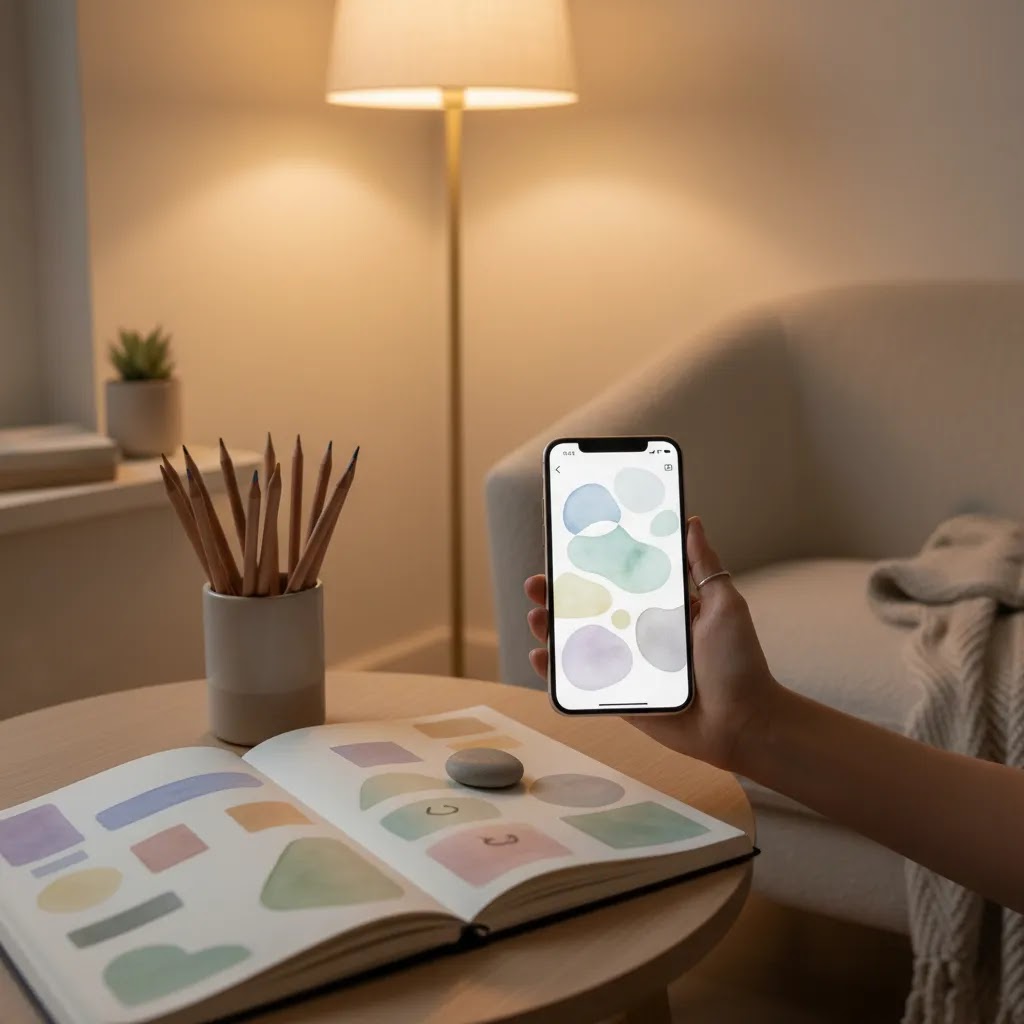
This kind of search often helps people who already know loss is the central issue and want support that feels more specific than general emotional care. It may fit adults, teens, caregivers, and family members coping with death, anticipatory grief, miscarriage, relationship loss, or layered grief after a long period of caregiving.
It can also help if you are supporting a loved one and want to understand what kind of help to suggest. If talking feels hard, expressive support may be worth exploring alongside counseling rather than instead of it. For younger people, resources on youth mental health singapore can also give extra context.
A gentle DailyLemons note
Grief does not always arrive as a neat conversation. Sometimes it shows up as a tight chest, a blank feeling, a burst of tears during an ordinary errand, or the sense that language has gone missing. DailyLemons is not a grief clinic, and it is not a substitute for licensed care.
Still, it can be one gentle companion alongside formal support. If you want a softer way to notice what you are feeling, you might explore our broader resources on emotional wellness, art-based reflection, and nonverbal processing. For readers who feel stuck between feeling everything and saying nothing, those tools may offer a steadier place to begin.
How to choose the right grief therapy Singapore support
Choosing well often comes down to fit, not prestige. A very qualified provider may still feel wrong for you if the format, pacing, or style creates more strain than relief.
1. Match the setting to your comfort level
If privacy matters most, individual counseling may be the better starting point. If loneliness feels sharp and you want to hear how others are carrying loss, a group may feel more supportive. If you are unsure, ask whether the organization offers an intake call or a first consultation.
2. Check whether grief is a real focus
Plenty of counselors can discuss loss, but that is not the same as having meaningful experience with bereavement. Ask what kinds of grief they commonly support. You can also ask whether they work with sudden loss, long illness, child loss, miscarriage, complicated family situations, or anticipatory grief.
3. Ask about structure
Some people want open-ended space. Others need shape. It helps to know whether sessions are mostly reflective conversation, practical coping support, psychoeducation, family-centered work, or a mix. For groups, ask whether members can share freely, whether there are themes each week, and what happens if you miss a session.
4. Be honest about cost and energy
Private counseling may offer the most flexibility, but it can cost more over time. Community or institution-linked groups may be lower cost or free, but they may run on fixed schedules. Choose something you can realistically continue for a few weeks. A support plan that looks ideal but feels too hard to sustain may not help much.
5. Notice how your body responds after contact
After a first call, email exchange, or session, do you feel slightly more settled, even if still sad? Or do you feel confused, rushed, or unseen? You do not need instant comfort. However, a basic sense of safety matters, and that quiet response can tell you a lot.
Frequently Asked Questions
What is grief therapy Singapore support?
Grief therapy Singapore support usually means counseling or facilitated support focused on bereavement, loss, and adjustment after a major life change. It may be offered by private counselors, hospital-linked teams, hospice services, or community groups. The format can be one-to-one, family-based, or group-based depending on the provider and your needs.
How is grief counseling different from a bereavement support group?
Grief counseling is typically private and tailored to your history, relationships, and coping patterns. A bereavement support group is shared space with others who have also experienced loss. Counseling may suit people who want privacy or more depth. Groups may suit people who want connection, lower cost, and reassurance that their reactions are not unusual.
How do I find the best grief therapy Singapore option for me?
The best fit usually depends on three things: whether you want private or group support, whether grief is the main issue or mixed with other struggles, and what level of cost and scheduling you can manage. Ask about grief-specific experience, session style, fees, and whether the setting feels emotionally safe enough for you to return.
Are grief support groups in Singapore free?
Some community, non-profit, hospice, or faith-based bereavement groups may be free or lower cost than private counseling. Others may have fees, screening steps, or limited eligibility. Because access terms can change, it is wise to confirm directly with the organization before relying on a listing or recommendation.
Can grief therapy help if the loss happened a long time ago?
Yes, it may. Grief does not follow a fixed timeline, and older losses can become active again around anniversaries, family changes, illness, or new stress. Support may still be useful if the loss feels unresolved, tangled with guilt, or tied to big shifts in identity, relationships, or daily functioning.
What if I do not want to talk much?
That can still be workable. Some people need a slower start, more pauses, or less direct conversation. You can ask whether a counselor works gently, uses reflective prompts, or supports expressive approaches alongside talking. Related resources in art-based reflection may also help if language feels thin or unavailable at first.
Is grief therapy the same as treatment for depression?
No. Grief and depression can overlap, but they are not identical. If you are trying to tell them apart, or if your grief includes severe hopelessness or loss of functioning, broader assessment may help. That is one reason some readers also explore information on depression singapore while considering grief-focused support.
How many sessions of grief counseling do people usually need?
There is no single number. Some people want a few sessions around a recent loss or a difficult anniversary. Others prefer longer support, especially after traumatic, sudden, or layered loss. A good provider should discuss likely pacing, review the work with you over time, and adjust it rather than force a fixed plan.
Can teenagers use grief counseling in Singapore?
Yes, though the format may vary by age and setting. Some counselors work directly with teens, while others involve parents or caregivers in part of the process. It helps to ask how confidentiality works, whether the provider has experience with youth bereavement, and what kinds of expressive or nonverbal support are available if talking feels hard.
What therapy works best for grief?
There is no single best therapy for grief. Some people prefer more structured approaches that focus on coping skills and daily functioning, while others prefer a slower, relationship-based space to process the loss and what it changed.
If the death was sudden or distressing and you are experiencing intrusive images, panic, or a constant sense of threat, trauma-informed support may be a better first step than a general approach. Ultimately, fit matters most: whether you feel safe enough with the provider, whether grief is a real focus, and whether the pacing matches what you can handle right now.
What are the 3 C’s of grief?
Different sources use “3 C’s” in different ways, so it helps to ask what a provider means rather than assume there is one official set. In everyday grief support, some people use simple anchors like connection, care, and compassion. Connection means having at least one safe place to be real. Care can mean basic sleep, food, hydration, and routines. Compassion is how you speak to yourself when the waves hit. These are not rules, just gentle handles for moments when grief feels too big to name.
Is there no time frame for grief?
There is no fixed time frame that applies to everyone. Many people notice that grief changes over time, but it often remains present in a different form, especially around anniversaries, family milestones, or new stress. If your grief stays intensely disabling, feels stuck, or comes with ongoing safety concerns, more direct professional support may be important, even if a lot of time has passed.
How to help someone with grief after a sudden death?
Sudden death can bring shock and trauma reactions, not only sadness. Practical help often matters. For example, meals, transport, or handling a few tasks can ease the load because decision-making may feel impossible early on.
Emotionally, it helps to be steady and specific: “I can sit with you,” “Do you want quiet company or to talk,” and “Would it help if I checked in again tomorrow?” If the person is having panic, intrusive images, cannot function, is using substances unsafely, or seems unable to stay safe, encouraging urgent professional support may be the safest move. If you are unsure about safety, treat it as urgent.
Key Takeaways
- Grief therapy Singapore searches work best when you sort options by support type: private counseling, bereavement group, or institution-linked service.
- A grief specialist is not always the same as a general counselor who can discuss loss, so it helps to ask direct questions.
- Support groups may ease isolation, while one-to-one counseling may offer more privacy and depth.
- Creative, nonverbal resources can complement grief support if speaking feels difficult.
- The right first step is usually the one that feels safe enough, affordable enough, and doable enough to begin.
Conclusion
Grief support in Singapore is not one single service. It is a set of possible doors: a private counselor, a bereavement group, a hospice-connected service, or a gentler expressive resource that helps you put shape around what hurts.
You do not need to know the whole path before reaching for one of those doors. If you are weighing broader support options too, you might read more about mental health singapore resources or explore art-based reflection through DailyLemons categories. If a softer, less verbal starting point feels easier, you can begin there and still move toward formal grief counseling when you are ready.
This article is for educational purposes only and does not provide medical, psychiatric, legal, or crisis advice. Service availability, qualifications, fees, group rules, and access pathways may change and should be verified directly with the relevant provider or organization before relying on them. DailyLemons is a supportive wellness resource and not a substitute for licensed mental health care. If you feel unable to stay safe, have thoughts of self-harm, or need urgent support, contact local emergency services or an appropriate crisis resource in Singapore right away.