Art Therapy Fundamentals: Theory, Benefits and Practice
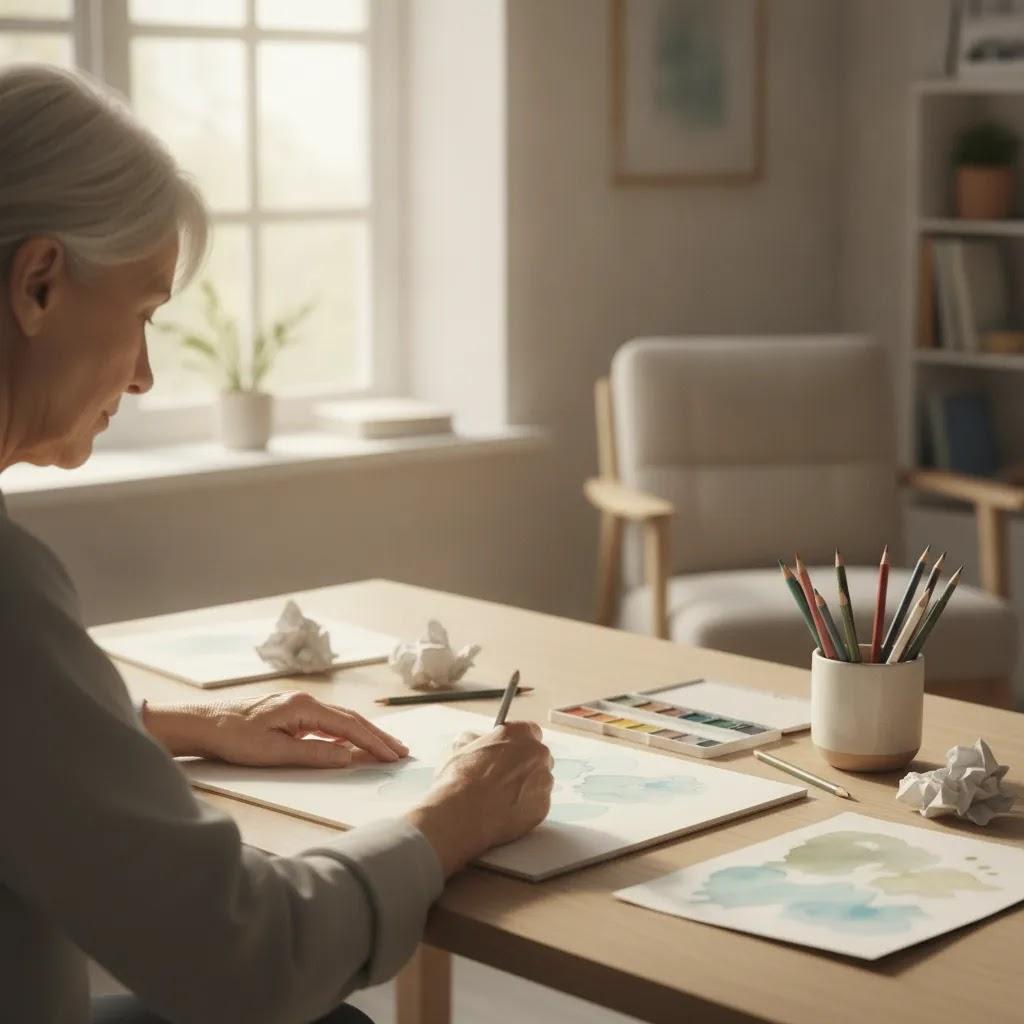
What can a drawing, collage, or pattern show that ordinary conversation may miss? Sometimes more than you expect. This hub brings together DailyLemons articles that help you understand art therapy fundamentals in a clear, grounded way, whether you are curious for yourself, supporting a child, or looking for a gentle starting point for creative emotional care.
You do not need to read everything in order. If you want the big picture, begin with the definition and approaches. If you are wondering who art therapy may help, head to the benefits and life-stage sections. If screens, tablets, or guided apps feel more accessible than paper and paint, the digital section may be the better fit.
Throughout this hub, you will find topics that may relate to stress, low mood, identity, communication, and emotional expression. Art therapy is typically offered by trained art therapists, and some creative activities may also be used outside formal sessions as supportive practices. The articles below can help you sort what belongs to professional care, what may work as personal exploration, and where you might want more informed support.
Foundations of Art Therapy
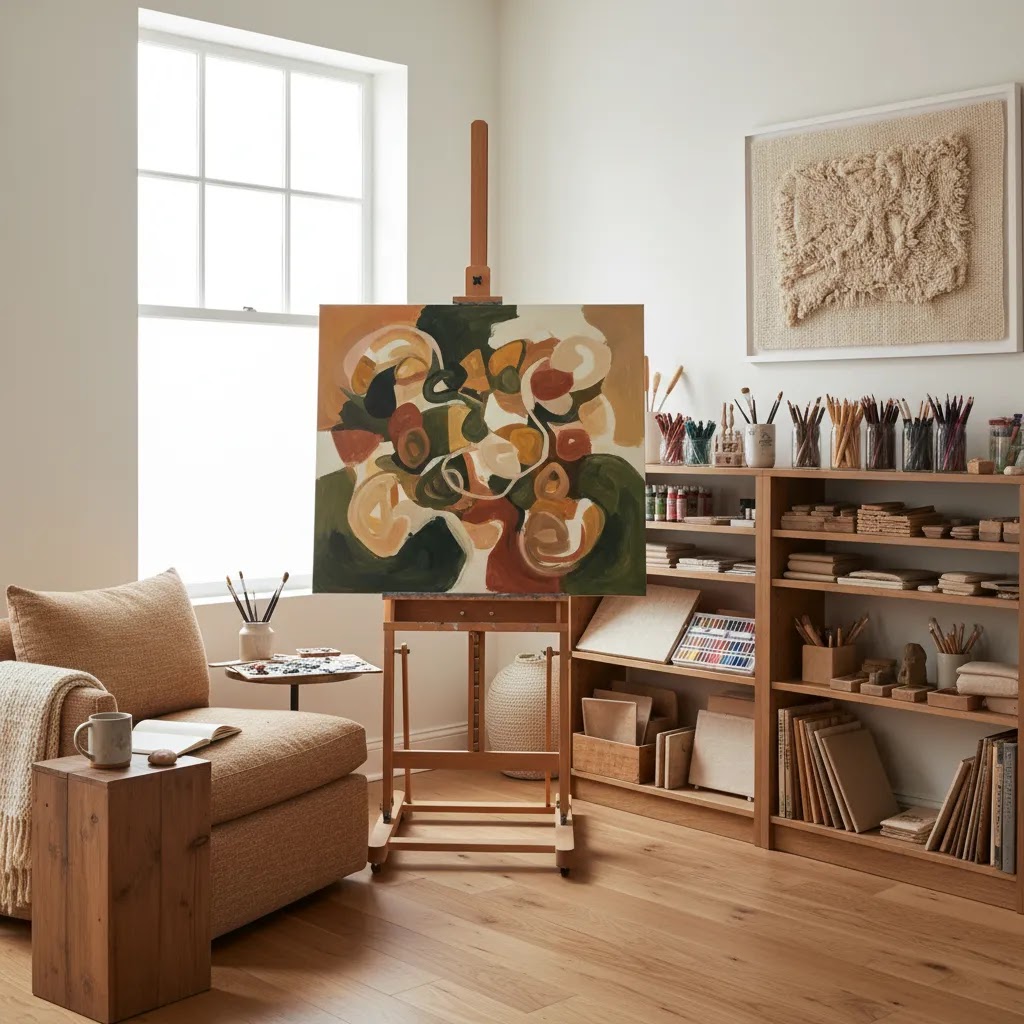
If you are new to this space, this is a steady place to begin. These articles cover what art therapy is, how it differs from casual art-making, what trained art therapists do, and how different approaches may be used in practice. This section is especially useful if you are trying to separate curiosity from confusion. You may not need all the theory at once. A simple definition, a clearer sense of professional roles, and a feel for common approaches are often enough to get oriented.
- Art Therapy Defined: Origins, Practice and Core Differences
- Art Therapists: Training Paths, Scope and Selection Criteria
- 6 Art Therapy Approaches and When Each One Applies Best
If you are comparing related modalities, you may also want an overview of expressive arts therapy and how it differs from art therapy.
Benefits and Uses of Art Therapy
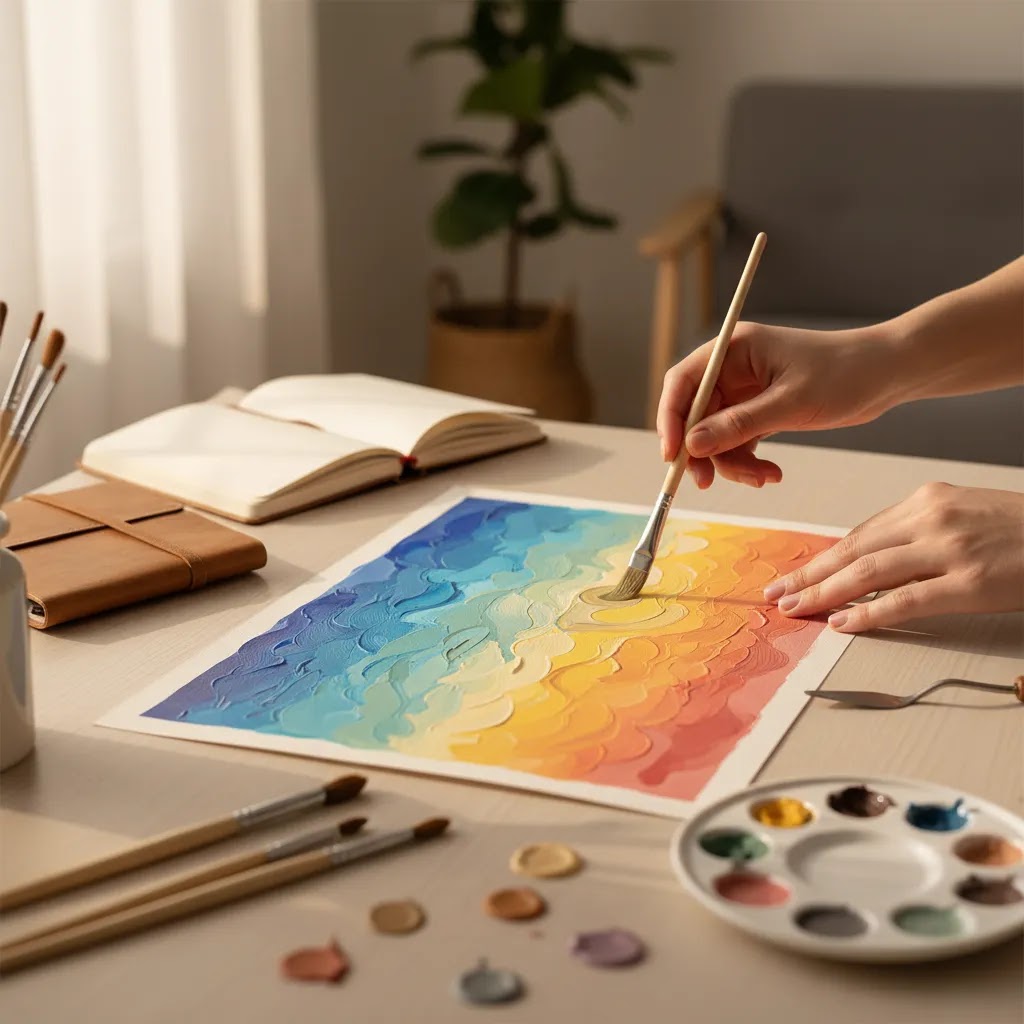
Some readers arrive here with one quiet question: could this actually help? These articles focus on broad benefits of art therapy, along with a few specific formats that may support reflection in different ways. You will find pieces on general outcomes across age groups, plus focused topics like collage, mandala art therapy benefits, and expressive arts. Benefits can vary by person, setting, and goal, so this section works best as a guide to possibilities rather than a promise of results.
- 9 Art Therapy Benefits Documented Across Ages and Conditions
- 5 Collage Art Therapy Effects Other Modalities Miss
- 7 Mandala Art Therapy Benefits Backed by Research
- 5 Types of Expressive Arts Therapy: Music to Visual Art
For a broader overview, see this guide to art therapy benefits and how they may show up in everyday life.
Art Therapy Across Ages and Life Stages

Art therapy may look different depending on age, communication style, school demands, sensory needs, and the kind of support a person already has around them. This section gathers articles for children, teens, students, seniors, and autistic children. If you are a parent, caregiver, educator, or simply trying to understand what changes across life stages, these pages can help you narrow the fit. They may also help you ask better questions before choosing a provider or activity.
- 6 Art Therapy Benefits for Kids Every Parent Should Know
- 5 Ways Art Therapy Helps Teens Build Identity and Resilience
- 4 Academic and Social-Emotional Gains From Student Art Therapy
- 5 Art Therapy Benefits for Seniors: Cognition and Social Life
- Art Therapy for Autistic Children: Which Interventions Work?
If you are looking for age-specific starting points, you can explore art therapy for children and art therapy for teens, along with a deeper dive into the benefits of art therapy for children.
Adults may also find targeted guidance helpful; you can read about the benefits of art therapy for adults if you are weighing whether it fits your needs.
Digital Art Therapy and App-Based Support
Creative support does not always begin with a sketchbook. For some people, a tablet, phone, or guided digital prompt feels more private, flexible, or sensory-friendly. This section covers digital art therapy activities, blended expressive arts ideas, and app-based tools for teens and kids. Digital options may be easier to start, but they are not always a substitute for professional support. If safety, privacy, or suitability for a young person is part of your concern, these articles can help you sort those questions more carefully.
- 10 Digital Art Therapy Activities for Your Next Session
- 8 Expressive Arts Activities Blending Movement and Music
- 5 Mental Health Apps Teens Actually Use and Why
- 5 Mental Health Apps for Kids: Safe Digital Therapy at Home
If you want more options, this roundup of digital art therapy apps can help you compare tools and prompts.
Frequently Asked Questions
What is included in art therapy fundamentals?
Art therapy fundamentals usually include the basic definition of art therapy, how it developed, how sessions may work, the role of a trained art therapist, common approaches, and the kinds of benefits people may experience. It can also include population-specific guidance for children, teens, students, seniors, or neurodivergent people. This hub is organized around those core areas so you can find the right article without reading a long overview first.
Is art therapy the same as making art on your own?
Not always. Personal art-making can be soothing, reflective, and meaningful, but formal art therapy is typically guided by a qualified professional with training in both creative process and emotional support. The difference often lies in the intention, the setting, and how the work is held and interpreted. You do not need artistic skill for either path. If you are unsure which kind of support you want, the foundation articles in this hub can help clarify that.
Who may benefit from art therapy?
Art therapy may support people across many ages and circumstances, especially when talking feels difficult or tiring. Some people use it to explore stress, grief, identity, burnout, low mood, anxiety, or life transitions. Others may find it helpful for communication, self-expression, or connection in school, caregiving, or aging contexts. Results vary, and art therapy is not a one-size-fits-all path, but it can offer another way to notice what is happening inside.
Do you have to be good at art for art therapy to help?
No. Skill is usually not the point. In art therapy, the process often matters more than the finished image. Simple marks, repeated shapes, color choices, or arrangement of materials may all carry meaning. Many people who avoid creative activities because they feel “not artistic” still find the experience accessible once the pressure to perform is removed. If that worry is holding you back, you may want to start with the definition or beginner-friendly digital articles here.
Can digital tools count as art therapy?
They can be part of the picture. A digital drawing activity, guided prompt, or app may support emotional reflection and creative expression, especially for people who prefer screens or need lower-friction ways to begin. Still, not every mental health or creativity app is the same as working with a trained art therapist. For children and teens, adult review of privacy, safety, and age fit is especially important. Digital support may complement, rather than replace, professional care.
How do I choose the right article in this hub?
Start with the question you already have. If you want a definition, go to the foundations section. If you are wondering whether art therapy may help, begin with benefits. If your question is about a child, teen, student, senior, or autistic child, use the life-stage section. If you prefer practical ideas or app-based support, head to digital. You do not need the whole map at once. One useful page is enough for a first step.
If you are seeking location-specific guidance, you can also explore art therapy in Singapore for practical context around finding support and local considerations.
If low mood is part of what you are navigating, this guide to art therapy for depression may help you decide what to read next.
Start Where Your Question Feels Smallest
You do not have to sort out the whole subject in one sitting. This hub is here to help you find a starting point that feels manageable, whether that is understanding what art therapy is, learning how approaches differ, or exploring support for a specific age group. If creative expression feels easier than explaining everything out loud, that matters. If you want a softer way to keep exploring emotional wellbeing, you can also browse more at DailyLemons in the Art Therapy Fundamentals section whenever it feels right.
This content is for educational purposes only and does not replace medical, mental health, or emergency care. Art therapy and app-based support may help some people, but outcomes vary by person, setting, and provider. If you are choosing an art therapist, check current credentials, scope of practice, and local requirements. In the United States, you may review relevant professional standards through bodies such as the American Art Therapy Association. If a child or adult may be at risk of harm, contact a licensed clinician, local emergency services, or an appropriate crisis resource right away.