Stress relief works fastest when you choose a simple method that matches what your stress feels like. For most people, controlled breathing, a quick temperature shift, grounding, or brief movement can lower intensity within seconds to minutes. This guide ranks seven stress relief methods by speed, so you can find a gentle starting point fast.
What helps first when stress spikes: changing your thoughts, changing your body, or changing your environment? Usually, the fastest methods ask the least of you in the moment. If your mind is racing or you feel wound tight, a simple physical or sensory action may work faster than a reflective exercise. You will see what each method is, how quickly it may help, what it is best for, and where it may fall short. If you want a broader foundation first, you can also read more about stress management before choosing which method to try.
How this ranking works
Stress relief means anything that helps reduce strain, settle activation, or make a hard moment feel more manageable. That does not always mean feeling calm right away. Sometimes the first win is smaller: your breathing slows, your shoulders drop, your thoughts become less chaotic, or you stop escalating.
This ranking focuses on how quickly a method may begin to help for the average beginner in an everyday stress moment. Speed is not the same as depth. A method that works in 30 seconds may not create lasting change on its own. A slower method may give more clarity or staying power.
That is why the best stress relief is often a match between your current state and the method's demands. If you want more depth on related stress management techniques, it can help to pair fast tools with longer-term habits.
Common stress signs (so you can catch it earlier)
Stress often becomes easier to work with when you catch it early, before it turns into a full-body spike or an all-day fog. These are common signals people notice. They are not a diagnosis, just possible cues that your system is carrying more than it can comfortably hold right now.
- Headaches or a heavy feeling in the forehead
- Tight shoulders, jaw clenching, or a “braced” posture
- Upset stomach, low appetite, or stress-eating
- Fatigue that does not match your actual day
- Irritability, snappiness, or feeling unusually sensitive
- Trouble focusing, forgetfulness, or starting and stopping tasks
- Restless sleep, waking up wired, or feeling unrefreshed
- Racing thoughts, rumination, or looping conversations in your head
Different signs can point to different first steps. If you feel agitated and buzzy, fast movement tends to match that energy. If you feel stuck in a spiral, a temperature shift can be a clean interrupt that is easier than “thinking your way out.” If you feel scattered or floaty, sensory grounding can help you land. If your body feels tense and tight, controlled breathing can help loosen the grip from the inside.
If sleep disruption keeps going, your ability to function is getting impaired, or the stress feels like it is steadily worsening, it may be time to step up support. Quick techniques can still help, but ongoing strain often needs more than a solo reset.
Stress relief speed comparison
| Rank | Method | Typical Time to First Effect | Best For | Main Benefit | Main Limitation |
|---|---|---|---|---|---|
| 1 | Controlled breathing | 30 to 90 seconds | Racing heart, tension, panic-like stress | May lower physical activation quickly | Can feel hard if breath focus increases anxiety |
| 2 | Cold water or temperature shift | 30 seconds to 2 minutes | Sudden overwhelm, spiraling, shutdown drift | Creates a strong physical interrupt | Relief may be brief without a follow-up step |
| 3 | Grounding through the senses | 1 to 3 minutes | Rumination, dissociation, overstimulation | Brings attention back to the present | May feel too subtle when stress is very intense |
| 4 | Fast physical movement | 2 to 5 minutes | Agitation, restlessness, built-up stress energy | Helps discharge some stress physically | Less practical in public or low-energy states |
| 5 | Guided drawing or visual expression | 5 to 10 minutes | Stress with emotion buildup or wordlessness | Combines regulation with expression | Needs a little space and willingness to engage |
| 6 | Brief social co-regulation | 5 to 15 minutes | Loneliness, fear, shame, emotional flooding | Nervous system may settle through safe connection | Depends on having the right person available |
| 7 | Structured writing or thought sorting | 10 to 20 minutes | Mental overload, decision stress, looping thoughts | Can create clarity and reduce mental clutter | Higher cognitive effort during stress |
Stress relief in 5 minutes: a quick pick one menu
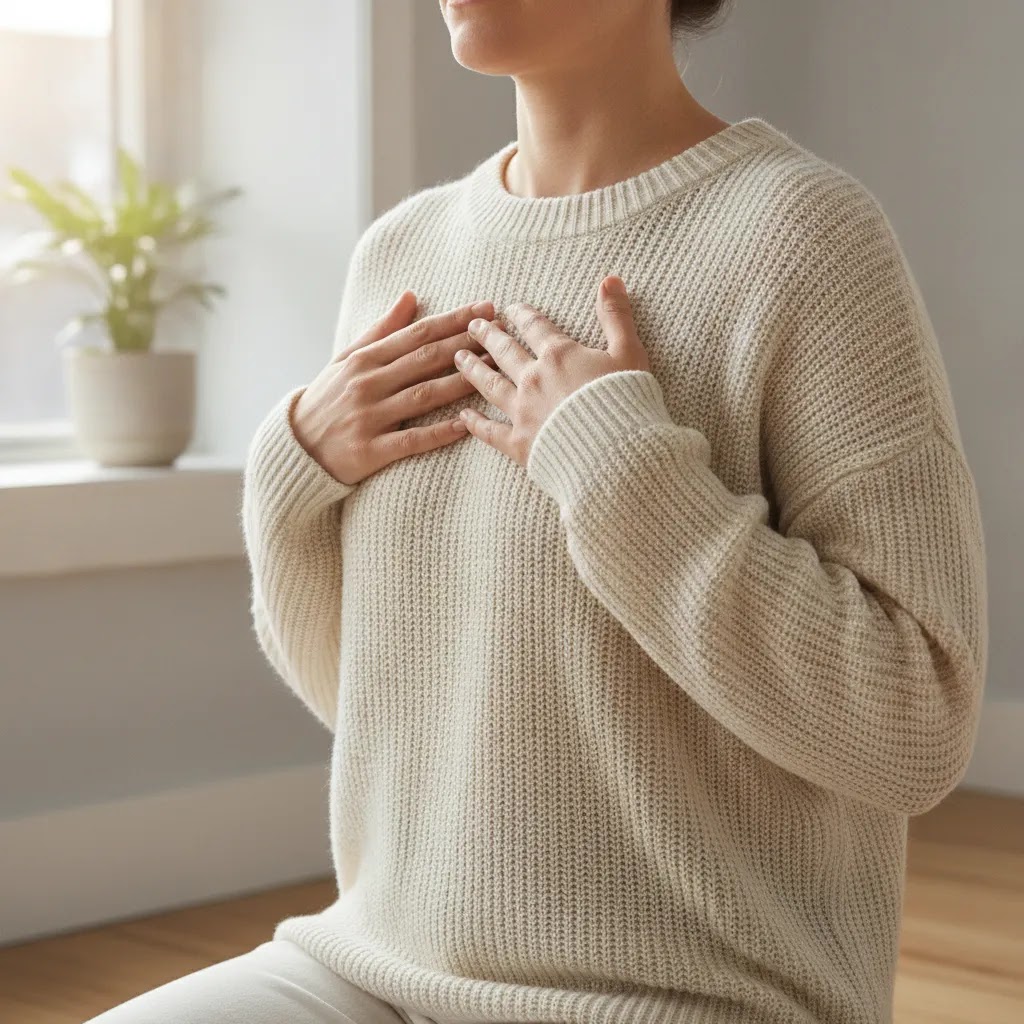
If you want stress relief quickly, choice overload can become its own kind of stress. Pick one action that fits your setting and repeat it for two to five minutes. Stacking five techniques at once often backfires because it turns into another problem to solve.
Low-visibility stress relief options for public or work
If you are in public or at work, these are usually low-visibility options:
- Controlled breathing: try 4-7-8 breathing (inhale 4, hold 7, exhale 8) for 3 to 5 rounds, or shorten it to inhale 4 and exhale 6 if breath-holding feels uncomfortable.
- Counting to interrupt rumination: count backward from 100 by 7s, or count 20 slow breaths. The point is gentle focus, not perfection.
- Sensory grounding: press both feet into the floor and name 5 things you see, 4 you feel, 3 you hear, 2 you smell, 1 you taste.
- Hand pressure or hand massage: squeeze each finger slowly from base to tip, or press your palm with your thumb in small circles.
- Music as regulation: play one steady song and let your attention follow the rhythm, even if your mind keeps trying to wander.
Stronger stress relief resets for home or private spaces
At home or somewhere private, you may have access to stronger interrupts:
- Temperature shift: cool water on your face for 20 to 30 seconds, or hold a cold drink against your cheeks and temples.
- Fast movement: a brisk 2 minute walk, stair laps, or shaking out your arms and legs for 60 seconds, then slowing down on purpose.
- Chewing gum or a strong mint: a simple taste cue can help bring you back into your body if you feel floaty or overstimulated.
- Guided drawing: set a 5 minute timer and draw the “shape” of your stress with lines or color blocks, then add a second layer that shows what relief would look like.
- Brief co-regulation: send a simple message like “Can you stay on the phone with me for five minutes?” and let it be that simple.
If you try one thing and nothing shifts, that does not mean you failed. It may just mean the method does not match your stress state. In that case, switch categories once, then repeat the new choice for a few minutes before you judge it.
1. Controlled breathing
Controlled breathing is often the fastest stress relief method because it works directly through the body. Slowing the exhale, counting breaths, or using a simple rhythm like inhale for four and exhale for six may help signal safety to your nervous system. You do not need perfect technique for it to be useful.
Why it ranks first: it is portable, free, private, and usually available within seconds. For beginners, that matters. There is no setup and no need to explain how you feel.
The caveat is that breath-based methods are not comfortable for everyone. If focusing on breathing makes you feel trapped or more alert, shorten the exercise or switch to a more external method like sensory grounding.
2. Cold water or temperature shift
A quick temperature change can interrupt stress fast. Splashing cool water on your face, holding a cold object, or stepping into cooler air may help break an escalating loop. The effect is physical first, mental second.
Why it ranks near the top: it creates a strong sensory cue that can cut through racing thoughts when softer methods do not. People who feel stuck in a spiral sometimes respond better to a clear body signal than to reflection.
This method is best used as a reset, not a complete plan. Once the first wave drops, you may still need another step such as breathing, movement, or a short grounding routine. Avoid anything extreme, and use care if you have health conditions affected by temperature exposure.
3. Grounding through the senses
Sensory grounding helps you reconnect with what is here right now. That could mean naming five things you see, pressing your feet into the floor, holding a textured object, or noticing sounds in the room. The goal is not to erase stress. It is to make the present moment more real than the stress loop.
Why it ranks third: it often works within a few minutes and does not require deep breathing, talking, or writing. It can be especially helpful if you feel floaty, scattered, or detached.
The trade-off is that grounding can feel too gentle for very intense activation. If you are highly agitated, you may need a stronger interrupt first. Still, for many beginners, this is one of the easiest ways to learn simple ways to cope without pressure.
4. Fast physical movement

Stress often builds as physical readiness: clenched muscles, pacing energy, jaw tension, a sense that your body is bracing. A short burst of movement, such as brisk walking, shaking out your arms, climbing stairs, or stretching with some force, may help complete part of that stress cycle.
Why it ranks fourth: it can work quickly, but it needs a little more access and energy than the methods above. If you are at your desk, in a meeting, or already exhausted, it may be harder to use right away.
This tends to work well for people whose stress feels buzzy or restless rather than numb or collapsed. If you want a broader look at nervous system and body healing, body-based tools like this can make more sense than purely mental strategies in the moment.
5. Guided drawing or visual expression
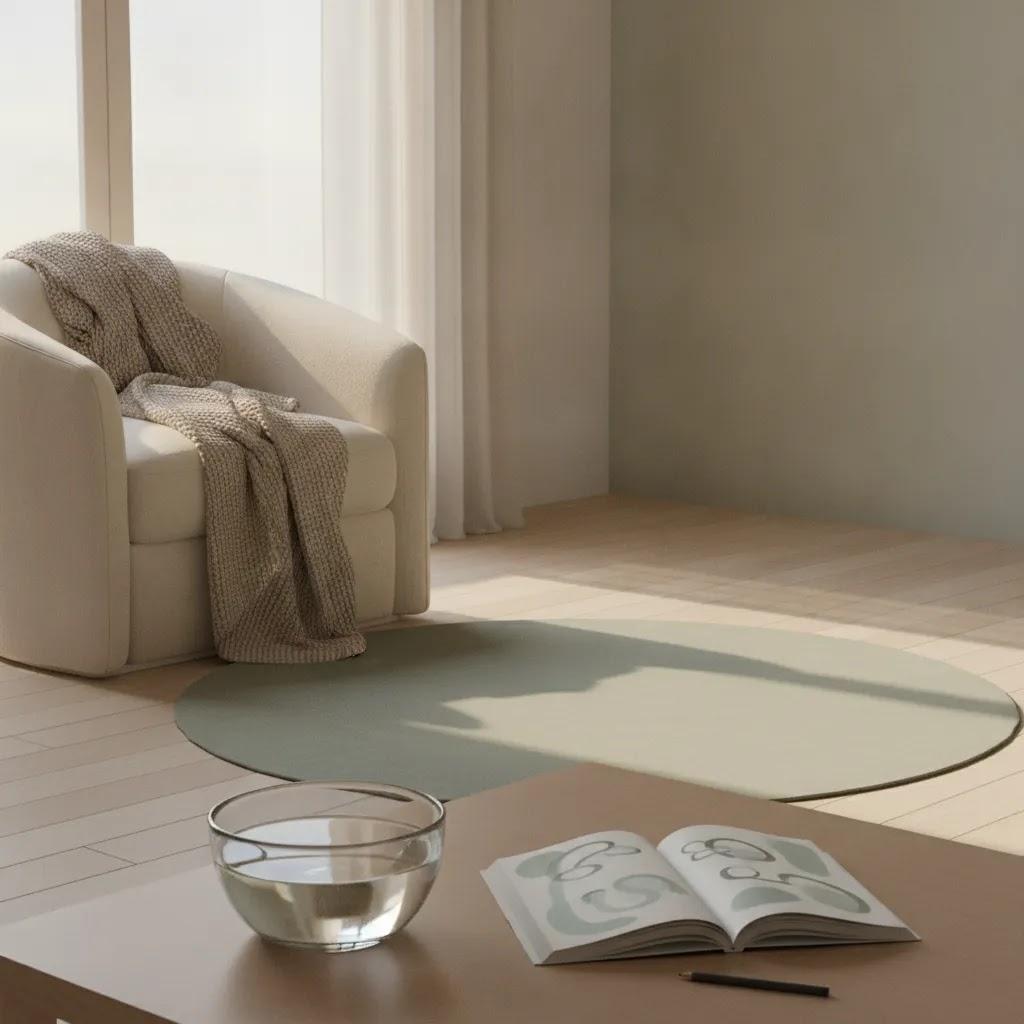
Guided drawing can help when words feel far away. Instead of trying to explain everything, you make simple marks, shapes, color blocks, or lines that match what the stress feels like. This may create relief through movement, rhythm, and externalizing what is sitting inside.
Why it ranks fifth: it is not as instant as breathing or cold water, but it can start helping within five to ten minutes while also giving more emotional clarity. That makes it a strong middle ground between quick regulation and deeper processing.
This kind of method may be especially helpful if journaling feels heavy or meditation feels too still. Daily Lemons is built around short, guided visual practices for exactly that kind of moment, and readers who want a local clinical context can also explore art therapy singapore resources. If you want more on the broader topic, the Digital Art Therapy & Apps and Art Therapy Fundamentals sections are useful starting points. You can also read more about art therapy if you want a fuller overview.
6. Brief social co-regulation
Sometimes stress drops fastest in the presence of a safe person. A short call, a calm voice note, sitting beside someone you trust, or hearing “you do not have to solve this all at once” may help your system settle. This is often called co-regulation: your body taking cues of safety from another steady person.
Why it ranks sixth: it can be powerful, but it is less reliable on demand because it depends on timing, privacy, and relationship quality. The wrong person can make stress worse.
This works best when the support is simple and non-fixing. You may not need advice. Instead, you may just need steadiness. If stress is tied to conflict with the person you would usually call, choose another method first.
7. Structured writing or thought sorting
Writing is lower on the speed ranking, but it can still be excellent stress relief for the right moment. A short brain dump, a two-column list of “what I can control” and “what I cannot,” or a three-line summary of what is actually happening may reduce mental clutter.
Why it ranks seventh: it usually needs more executive function. If your stress is highly physical or your thoughts are moving too fast, writing may feel like homework. That does not mean it is ineffective. It just tends to be slower to start working.
Once the first wave has eased, writing can become one of the best follow-up methods because it adds clarity. If you are building a fuller plan for how to manage stress, this is often where insight begins to stick.
Pros and Cons

Strengths
- Ranks methods by speed, which is often the most practical question during a stress spike.
- Includes both body-based and reflective options, so different stress patterns are represented.
- Helps beginners understand that fast relief and lasting relief are not always the same thing.
- Shows honest trade-offs instead of presenting one universal “best stress relief” answer.
- Includes options that are low-cost, private, and realistic in everyday life.
Considerations
- Speed can vary a lot depending on your stress level, environment, and personal history.
- A method that works quickly may wear off quickly if the stressor is ongoing.
- Some methods may not feel accessible in public, at work, or during very intense distress.
- Severe or persistent stress may need support beyond self-help techniques.
How to choose the right method for your kind of stress
If you are new to stress relief, start with one question: is your stress mostly in your body, your thoughts, or your emotions? The answer does not need to be exact. It just helps narrow the first step.
If your stress feels physical, such as chest tightness, jitteriness, shallow breathing, or muscle tension, try a body-first method. Controlled breathing, cold water, or quick movement usually fit best here.
If your stress feels mental, such as overthinking, looping, or trying to solve five things at once, begin with a short interrupt before moving to clarity tools. Sensory grounding can help you come back enough to use writing later.
If your stress feels emotional but hard to explain, guided drawing or another nonverbal practice may be easier than forcing words too early. Some people need to move the feeling or see it before they can name it.
Context matters too. In public, the best method may be the one nobody notices. At home, you may have more room for movement, drawing, or calling someone. Under chronic stress, quick methods are still useful, but they work best as bridges, not as the entire plan.
Daily Lemons can be one gentle option in that bridge period. Its short, guided drawing sessions are designed for moments when you want something more active than sitting still and less language-heavy than journaling. If that sounds like your style, you might explore it alongside other stress relief tools rather than expecting any one method to carry everything.
Stress relief vs stress management: what each is for (and why you may need both)
Stress relief is for the spike. It is the moment you notice you are getting pulled under and you want to lower intensity enough to breathe, speak, or make a clear next decision. Stress management is the longer arc. It is the set of habits, boundaries, and supports that can reduce how often those spikes happen, and how hard they hit when they do.
Many people need both because fast relief does not automatically change what is driving the stress. Relief can give you a steadier baseline, then management can help you work with the root causes, such as workload, conflict, money pressure, caregiving, or poor sleep. If you want a more structured next step, this guide on how to manage stress can help you build a plan.
Pairing methods can work well when you treat the first one as a bridge instead of a finish line. A few examples using the same tools from this list:
- Temperature shift, then controlled breathing, then two minutes of structured writing (what is happening, what is the next small step).
- Fast movement, then sensory grounding, then a brief social check-in with someone safe.
- Controlled breathing, then guided drawing, then a short list of what you can control today versus what you cannot.
One caution that comes up often is using risky substitutes as your default form of “relief.” Alcohol, nicotine, or other substances may feel like they lower stress quickly, but they can also create rebound anxiety, sleep disruption, and a stronger stress loop over time. If you notice you are leaning on something that might be harming you, it can help to add one lower-risk tool from this list first, then reach for extra support if the pattern feels hard to shift on your own. For example, the National Institute of Mental Health explains that stress can affect both mind and body, and the CDC shares practical ways to cope with stress.
Frequently Asked Questions
What is stress relief in simple terms?
Stress relief is anything that helps reduce the intensity of strain you are feeling in your body or mind. That may mean calming down, feeling more clearheaded, or becoming a little more able to cope. It does not always mean feeling happy or fully relaxed. Sometimes the first sign of relief is simply that things stop getting worse.
What is the fastest stress relief method for most people?
Controlled breathing is often the fastest place to start because it is immediate and requires no equipment. A temperature shift, such as cool water on the face, can also work very quickly. The better choice depends on what your stress feels like. If breath focus makes you more tense, use a sensory or movement-based option instead.
How do I know whether I need a body-based or thought-based method?
If stress shows up as restlessness, a pounding heart, muscle tightness, or a shaky feeling, start with the body. If it shows up as repetitive thoughts, indecision, or mental clutter, use a quick grounding method first and then move toward writing or sorting. Many people need both, just in a different order.
Are stress relief techniques supposed to work instantly?
No. Some methods may begin helping within seconds or minutes, but that is different from fully resolving stress. Fast tools are often meant to lower intensity, not erase the whole experience. If your stressor is ongoing, such as workload, caregiving, or relationship strain, you may need repeated support plus changes to the underlying situation.
Is stress relief the same as avoiding problems?
Not necessarily. Healthy stress relief can make it easier to face a problem with more steadiness. The difference is timing. If you are too activated to think clearly, calming your system first is often useful. Avoidance usually means never returning to the issue. Relief means creating enough space to respond with more care and less overwhelm.
What stress relief method is best for beginners?
Beginners often do best with methods that are simple, short, and low-pressure. Breathing, sensory grounding, and brief movement are common starting points because they are easy to try without much setup. If verbal tools feel frustrating, guided drawing may be more approachable. The best beginner method is usually the one you can actually use in a hard moment.
Can stress relief help if I do not know why I am stressed?
Yes. Relief does not depend on having a perfect explanation first. Body-based and sensory methods can still help reduce intensity even when the cause feels vague. Once you feel a little steadier, you may notice more clearly whether the stress is linked to sleep, workload, conflict, overstimulation, grief, or something else.
How do I relieve stress quickly?
Start with a method that is low-effort and body-based. For many people, that is controlled breathing for 30 to 90 seconds. If your thoughts feel stuck on a loop, a temperature shift can create a fast interrupt, then you can follow it with grounding or breathing. When you feel restless and keyed up, two to five minutes of movement can be more effective than sitting still. Quick relief is usually about picking one action, repeating it briefly, and then deciding what to do next.
How to relieve stress in 5 minutes?
Pick one technique that fits your setting and repeat it for the full five minutes. You could do 4-7-8 breathing for a few rounds, then switch to a slower exhale pattern. You could do sensory grounding (5-4-3-2-1) twice. Or you could take a brisk walk or do stair laps for two minutes, then slow down and notice your feet and breathing for three. The five minutes matters because it gives your nervous system time to register the cue, instead of switching methods every 20 seconds.
What is stress relief?
Stress relief is any practice that helps reduce how intense stress feels, at least temporarily. It can be physical, like breathing or movement, sensory, like grounding, relational, like a steady conversation, or reflective, like writing. It is often the first step that makes it easier to cope, think, and choose your next action.
Is it stress relieve or stress relief?
“Stress relief” is the correct noun phrase, as in “stress relief techniques” or “I need some stress relief.” “Relieve” is the verb, as in “These steps may relieve stress.”
When should stress stop being handled only with self-help?
When stress starts to feel unmanageable, lingering night after night, making it hard to get through ordinary tasks, or leaving you feeling unsafe, that's often a sign it's time to bring someone else in. The things you've been trying on your own, like breathing exercises or journaling, can still have real value, but they may not be quite enough on their own. A licensed therapist, doctor, or other qualified professional can help you figure out what kind of care would actually serve you best.
Quick recap
If speed is your main concern, start at the top of the list and move down only if the earlier methods do not fit your state. Fastest does not always mean best overall. It means easiest to access when stress is already happening.
| Rank | Method | Best For | Speed |
|---|---|---|---|
| 1 | Controlled breathing | Immediate physical stress spikes | 30 to 90 seconds |
| 2 | Cold water or temperature shift | Sudden overwhelm | 30 seconds to 2 minutes |
| 3 | Grounding through the senses | Rumination and disconnection | 1 to 3 minutes |
| 4 | Fast physical movement | Restless, agitated stress | 2 to 5 minutes |
| 5 | Guided drawing or visual expression | Wordless emotional stress | 5 to 10 minutes |
| 6 | Brief social co-regulation | Stress eased by safe connection | 5 to 15 minutes |
| 7 | Structured writing or thought sorting | Mental overload and clarity needs | 10 to 20 minutes |
Key Takeaways
- Stress relief is not one thing. Different methods work at different speeds.
- Body-first tools often work faster than reflection-heavy tools during acute stress.
- The best method depends on whether your stress feels physical, mental, or hard to put into words.
- Quick relief and lasting support are different goals, and both matter.
- If stress is severe, persistent, or affecting safety, self-help should not be the only support.
Conclusion
The fastest stress relief method is usually the one your nervous system can actually tolerate in the moment. For many people, that starts with breathing, temperature, or grounding. For others, especially when words feel far away, a short creative practice may be the first thing that feels possible. You do not need to pick the perfect method forever. You can begin with the easiest one, notice what shifts, and adjust from there. If you are curious about gentler, guided visual tools for stress, Daily Lemons offers a low-pressure way to explore that path alongside other practical methods. You can start small and see what helps.
This article is for educational purposes only and does not provide medical or mental health advice, diagnosis, or treatment. Stress relief methods may help some people more than others, and results can vary based on your situation, history, and current level of distress. If stress is severe, persistent, worsening, or affecting your safety or ability to function, seek support from a licensed clinician or appropriate local emergency services right away. If you experience urgent symptoms such as chest pain, trouble breathing, or thoughts of self-harm, seek immediate emergency help.