Anxiety, Stress & Emotional Wellness
How to Build a Self-Care Routine That Prevents Burnout
Build a simple self-care routine to prevent burnout with small, repeatable supports for sleep, food, boundaries, movement, and recovery.
17 min read
Build a simple self-care routine to prevent burnout with small, repeatable supports for sleep, food, boundaries, movement, and recovery.

Learn what emotional stress is, how it differs from physical stress, where they overlap, and gentle ways to cope with both.

Learn how to calm yourself down during panic or acute anxiety with a gentle, body-first plan you can use in 5–15 minutes.

Stress symptoms can show up as tension, poor sleep, brain fog, and irritability. Learn 9 early signs and when extra support may help.

Work stress can feel overwhelming. Learn practical, on-the-job ways to handle work stress with quick resets, small task steps, and clearer support.

Stress management gets easier when you sort pressure by life area. Learn simple ways to reduce overload, recover, and cope more steadily.

Stress relief ranked by speed of results. Discover 7 fast methods, a 5-minute menu, and gentle tips to choose what helps in the moment.

Stress meaning explained: learn the difference between everyday and clinical use, common types, signs, and why the definition matters.

How do you handle stress? Learn simple ways to name the pressure, regulate your body, and choose a calm next step in real situations.

Learn how stress shows up in your body, the 3 common types, and the quiet warning signs that suggest you may be carrying too much.

Stress management techniques ranked by impact and difficulty, with beginner-friendly options, fast resets, and gentle tips for daily stress.
Emotional healing, step by step: learn how to build safety, express pain, regulate emotions, and make small repairs at your own pace.
Find the best stress buster for fast relief with 10 quick options ranked by time and effectiveness, plus simple tips for choosing one.

Emotional regulation techniques from DBT and CBT that help you pause, ground, and respond with more steadiness in stressful moments.
Workplace stress can ease with clear boundaries. Learn simple ways to spot triggers, set limits, use scripts, and protect recovery time.
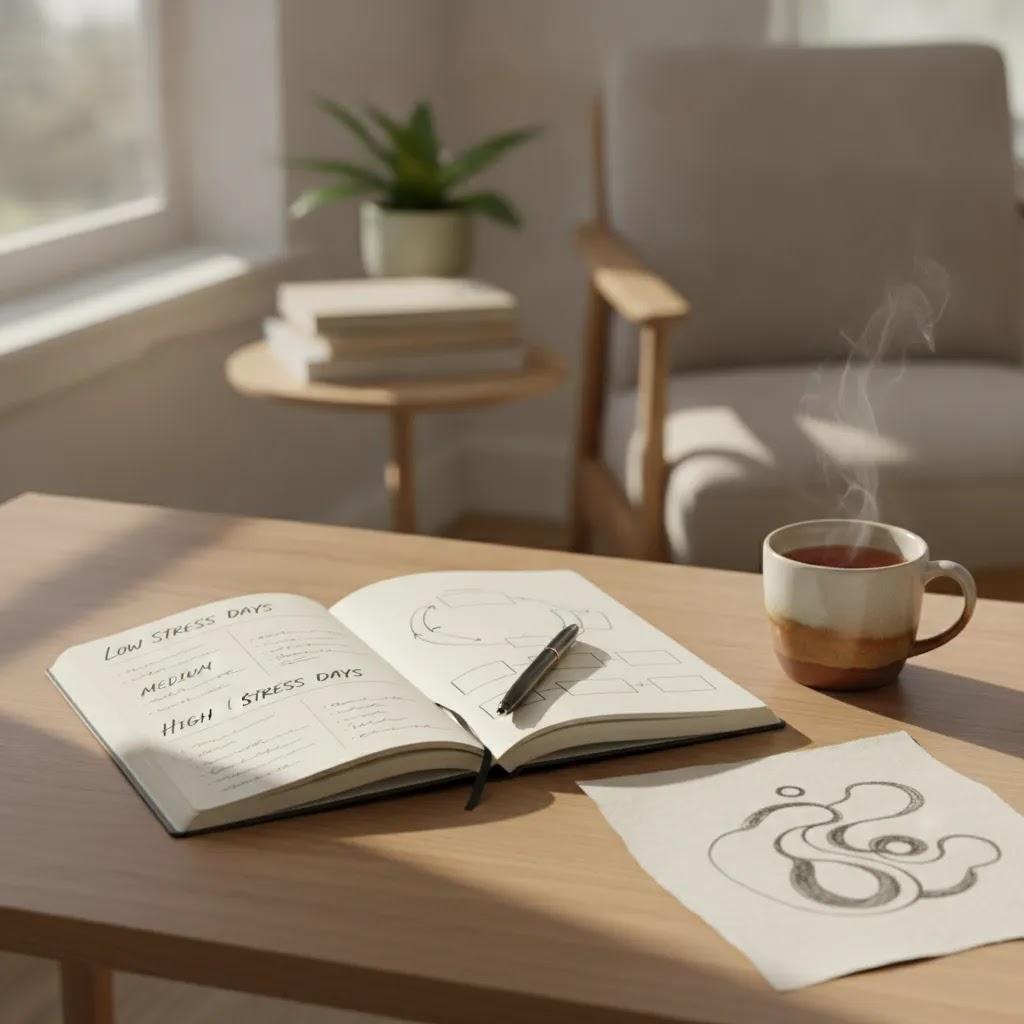
Learn how to manage stress with a simple personal action plan. Notice your signs, sort stress levels, choose coping tools, and adjust weekly.

Learn what your stress level means, how common tools measure it, and how to read scores calmly without turning one result into a verdict.

Am I stressed? Use this gentle self-assessment checklist to spot stress patterns in your body, mind, habits, and relationships.

Learn what causes stress, from poor sleep and pain to deadlines, conflict, and uncertainty. Map common triggers and warning signs gently.
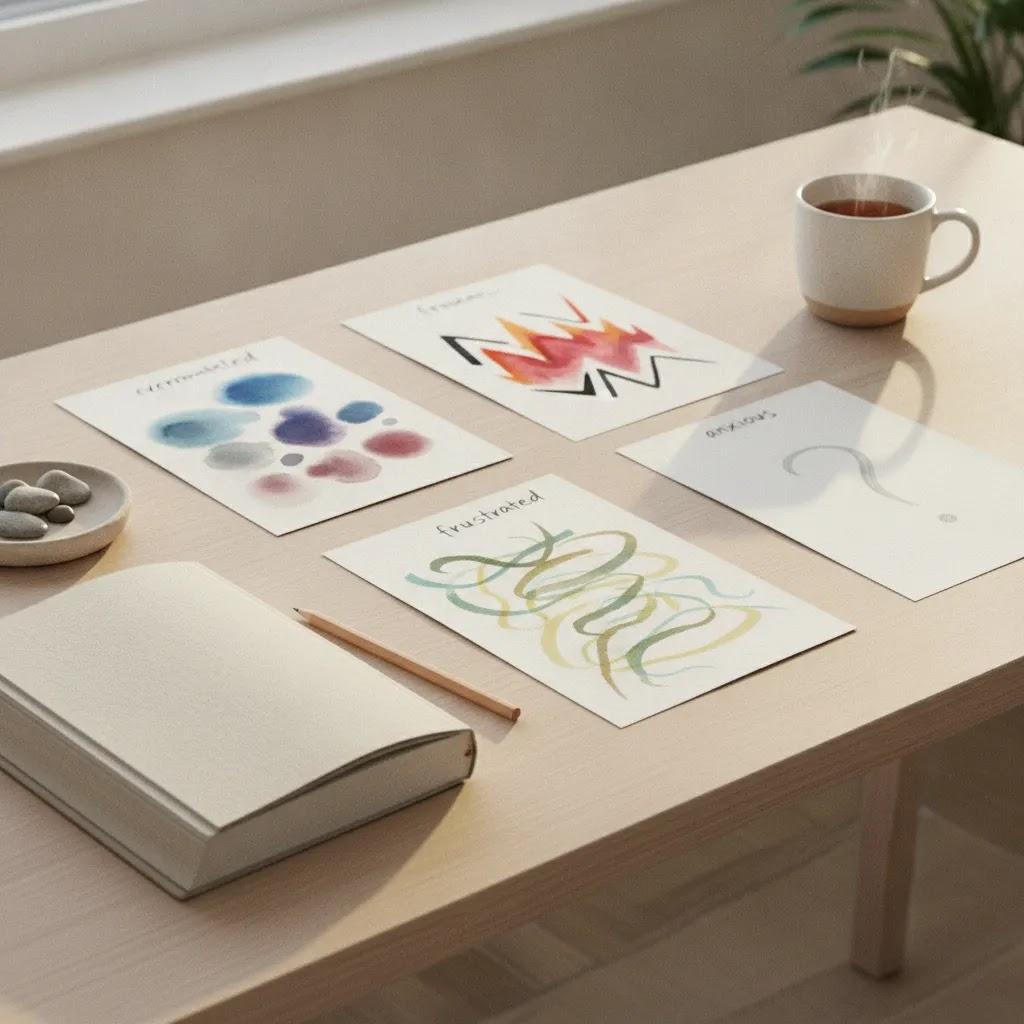
Learn coping by stress type with a gentle, practical guide to choosing coping techniques that fit overload, numbness, pressure, or emotional pain.

Emotional regulation skills help you notice feelings, pause, ground, express emotion safely, and recover after stress with simple practice exercises.
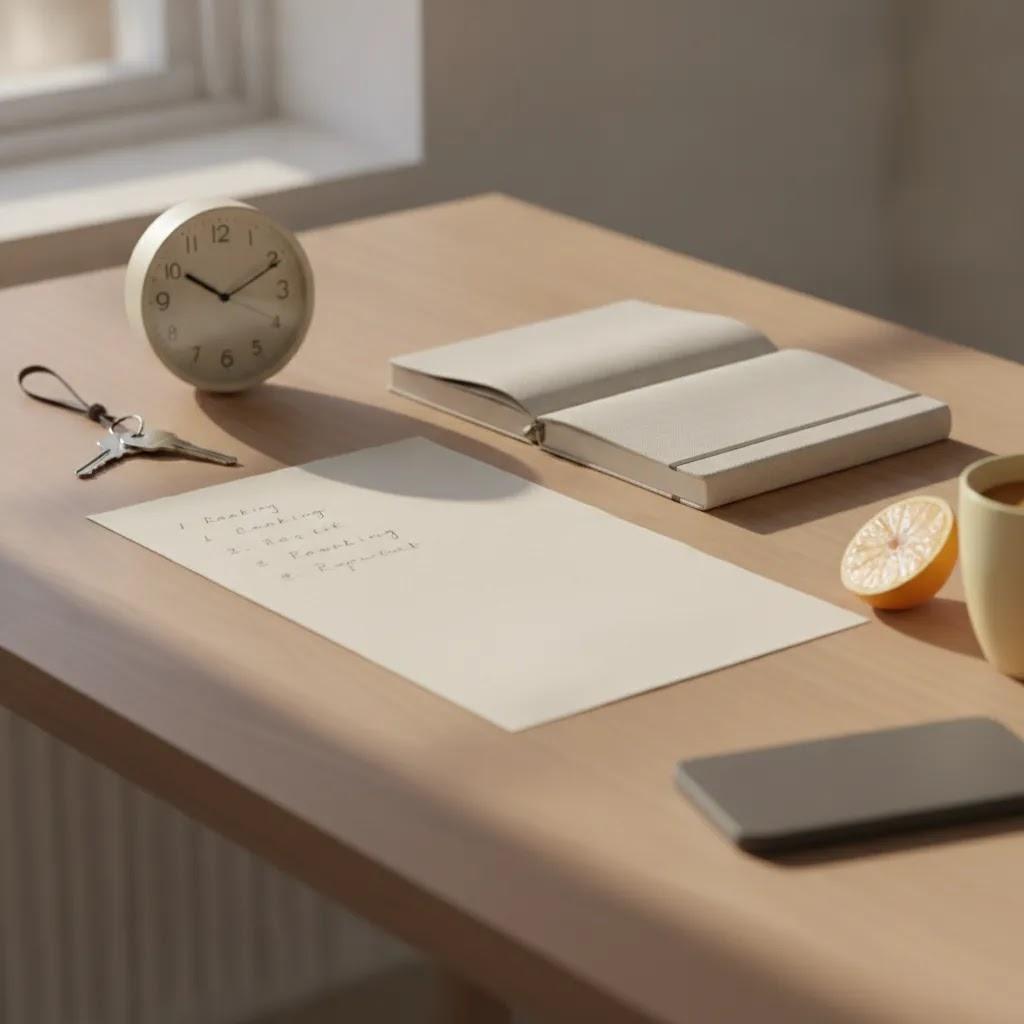
Learn what stressors are, the 4 main types, and how to rank your personal triggers with a simple method that makes stress feel less random.

Learn how to reduce anxiety with gentle, practical tools matched to mild, moderate, acute, and persistent anxiety levels.

Learn how to reduce stress with simple daily techniques, quick body resets, and gentle routines that help you feel steadier every day.