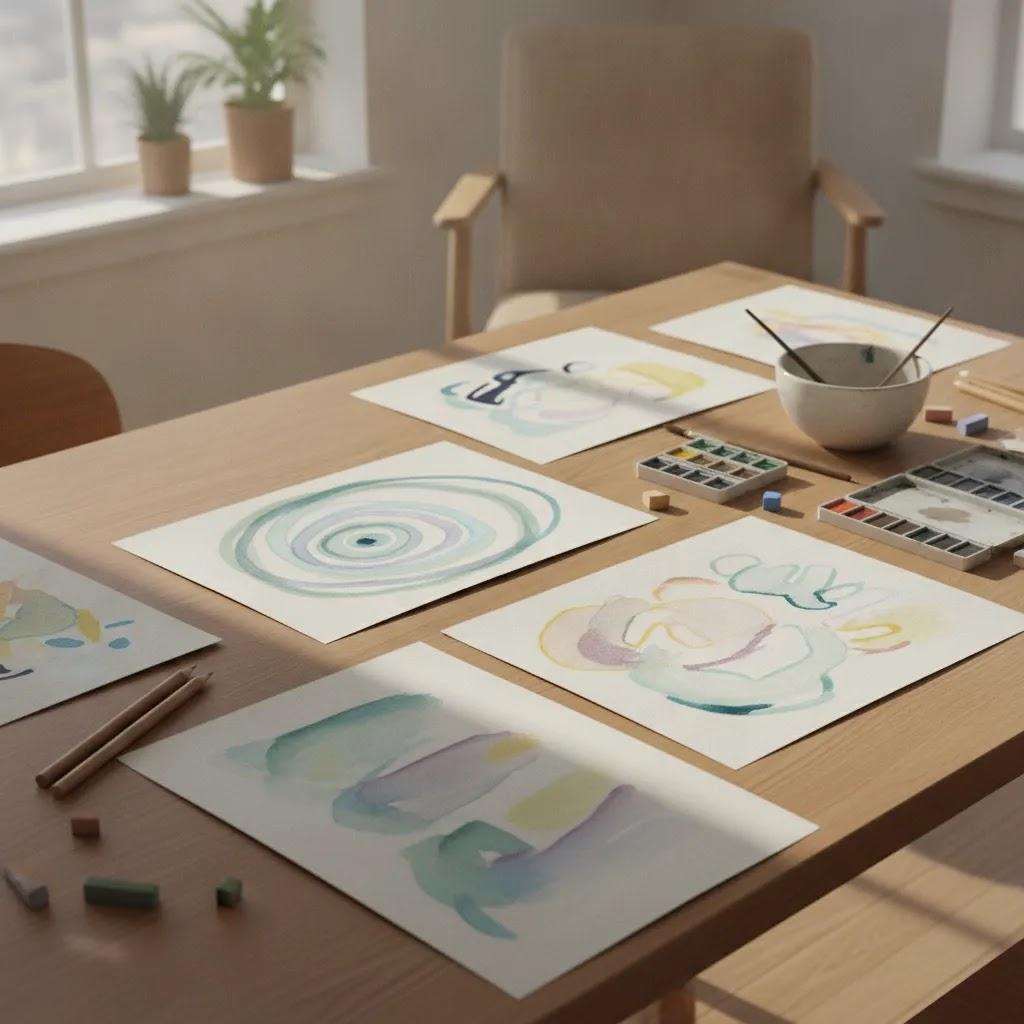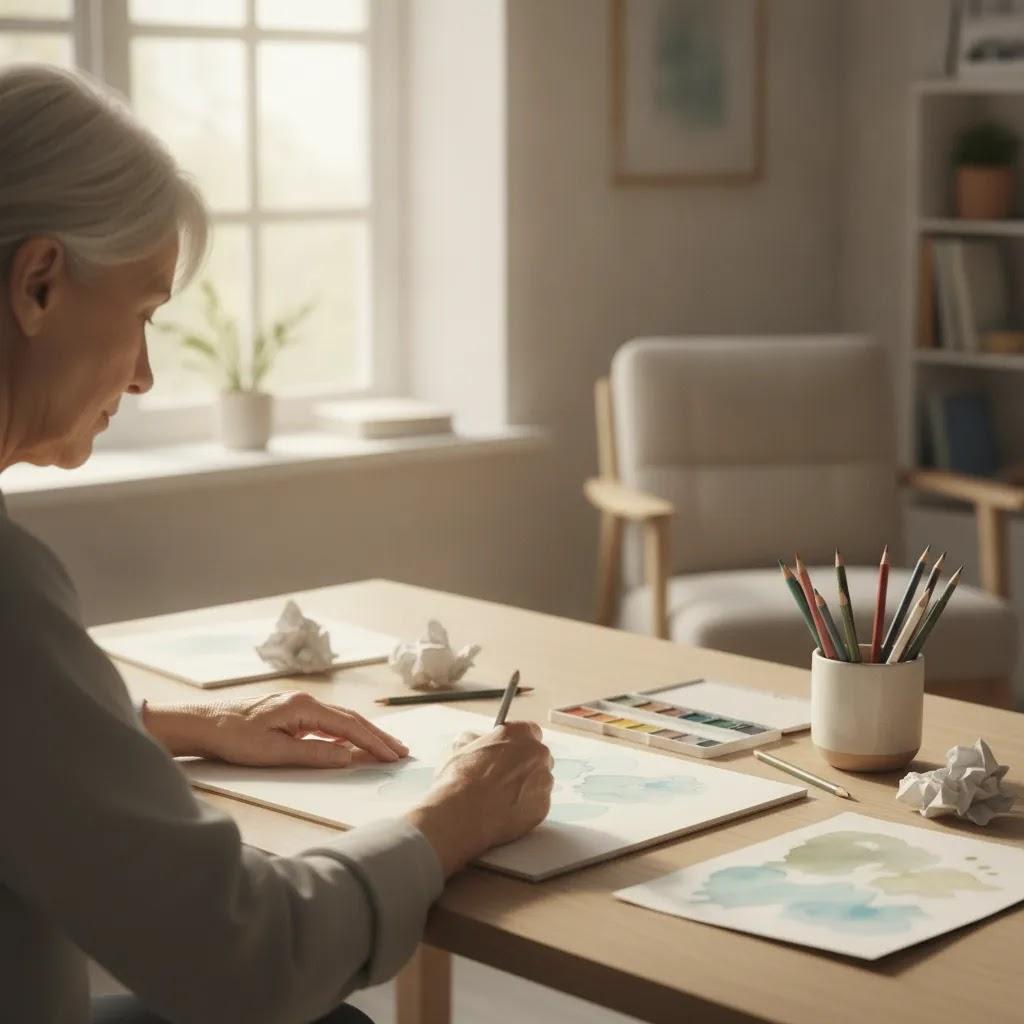
Art therapy benefits for seniors may include gentler focus, visual memory cues, easier communication, more social connection, and a stronger sense of purpose. For many older adults, creative work offers a calm way to stay engaged without the pressure of needing the right words or the right answer.
Later life can bring more free time, but it can also bring loss, isolation, health changes, and long quiet stretches that feel heavier than expected. In that setting, art therapy may offer something meaningful yet gentle. It can support mental engagement while also helping you feel more connected to other people.
Picture a grandmother rediscovering a paintbrush and, along with it, a little more steadiness in her thinking and a little more ease in her days. That's the quiet promise behind art therapy for older adults, it rarely stops at emotional release alone. Often it gently reaches into memory, focus, self-assurance, and the small social moments that make up daily life. Here, we sit with five of those benefits, the ones that tend to surface first when we think about how art can support both a senior's mind and their sense of connection to others.
How art therapy benefits for seniors compare across support options
Not every art-based resource serves the same role. Some are therapist-designed digital tools for everyday emotional regulation. Others are downloadable guides meant for institutions or special circumstances. The table below helps separate those use cases so you can judge fit more clearly.
| Product | Brand | Price | Rating | Best for | Key strength | Main drawback | Format |
|---|---|---|---|---|---|---|---|
| Daily Lemons | Daily Lemons | , | , | Older adults who want gentle, guided digital art therapy support in everyday life | Therapist-designed, nonverbal, structured exercises with a calm tone | Not a replacement for in-person clinical care when needs are complex or urgent | Digital art therapy app |
| The Guide of Art Therapy for Covid-19 patients | Digital Art Therapy | , | , | Institutions or caregivers supporting seniors, hospitalized patients, or people in quarantine | Directly aimed at psychological support for senior citizens and people in isolation | Appears to be a guide rather than an interactive, ongoing practice tool | Downloadable guide |
How art therapy benefits for seniors take shape in real life
It can help to separate three experiences that often get grouped together: a general art activity, a self-guided art therapy informed tool, and formal art therapy with a qualified professional. All three can be valuable. However, they support different needs.
In a formal setting, a qualified art therapist usually supports both the art-making and the meaning-making. They may offer a prompt that fits the person’s energy and comfort level. They may also help choose materials that feel manageable. After that, they create a non-judgmental pace and gently reflect on the process. The focus is often less about “What did you make?” and more about “What was it like to make it?”
That differs from a generic craft or open studio activity, where the main goal may be social time or a finished object. It also differs from a self-guided digital option. A digital tool can still be thoughtful, but it does not adapt in real time to mood, medical context, family dynamics, or safety concerns.
Common mediums with older adults are usually simple and flexible:
- Drawing and simple mark-making (lines, shapes, repeated patterns)
- Painting with larger brushes or easy-to-hold tools
- Collage using pre-cut images, soft papers, and familiar themes
- Simple sculpture or clay work, when hand strength and comfort allow
Prompts are often adjusted for attention span, fatigue, and emotional readiness. For example, a prompt might be as small as “Choose two colors that match your morning.” Or it may be more structured, such as “Create a page with three sections: what feels steady, what feels noisy, what feels unknown.” In care settings, prompts may also support orientation, reminiscence, and communication without putting someone on the spot.
What a session might look like in real life
One-on-one (with a therapist): It often begins with a brief check-in, then a short, clear prompt with materials chosen for comfort. The therapist may notice frustration, perfectionism, or withdrawal and adjust the task. Finally, the session often ends with a gentle review of what stood out, what felt easier or harder, and whether the person wants to keep the artwork private, share it, or return to it later.
Group (with a therapist or trained facilitator): It usually centers on one shared prompt, with an emphasis on participation rather than output. Some groups include optional sharing at the end. Participants may describe their piece, title it, or simply point to a part they like. In senior settings, groups may use themes that support cohesion, such as seasons, music memories, places lived, or “something that brings comfort.”
Self-guided at home (digital or offline): This often works best as a short routine: a prompt, a few minutes of making, and a brief moment of noticing afterward. The goal is consistency and ease, not depth every time. In practice, a structured, calm tool may help because it reduces planning and decision fatigue.
1. Art therapy benefits for seniors may include better attention
One of the clearest art therapy benefits for seniors may be better attention through a creative process that feels less demanding than formal exercises. A simple drawing prompt, color choice, or repeated pattern gives the mind something concrete to return to. That can help when concentration feels scattered or mental energy runs low.
This kind of focus is different from performance-based tasks. The point is not to get the right answer. Instead, the goal is to stay with a process for a few minutes at a time. For some older adults, that feels more welcoming than word-heavy activities or screen-based puzzles.
Daily Lemons stands out here because its guided structure is designed to lower cognitive load. Sessions are short, voice-guided, and built around simple mark-making rather than artistic skill. In addition, you can compare this broader topic with art therapy benefits across ages and settings. A downloadable guide can still be useful, but it may rely more on the caregiver or reader to turn ideas into practice.
- May encourage sustained attention without heavy verbal effort
- Can support calm repetition and visual tracking
- Often feels less pressuring than achievement-based brain games
- Can be adapted to different energy levels
2. Art therapy benefits for seniors can include stronger memory cues
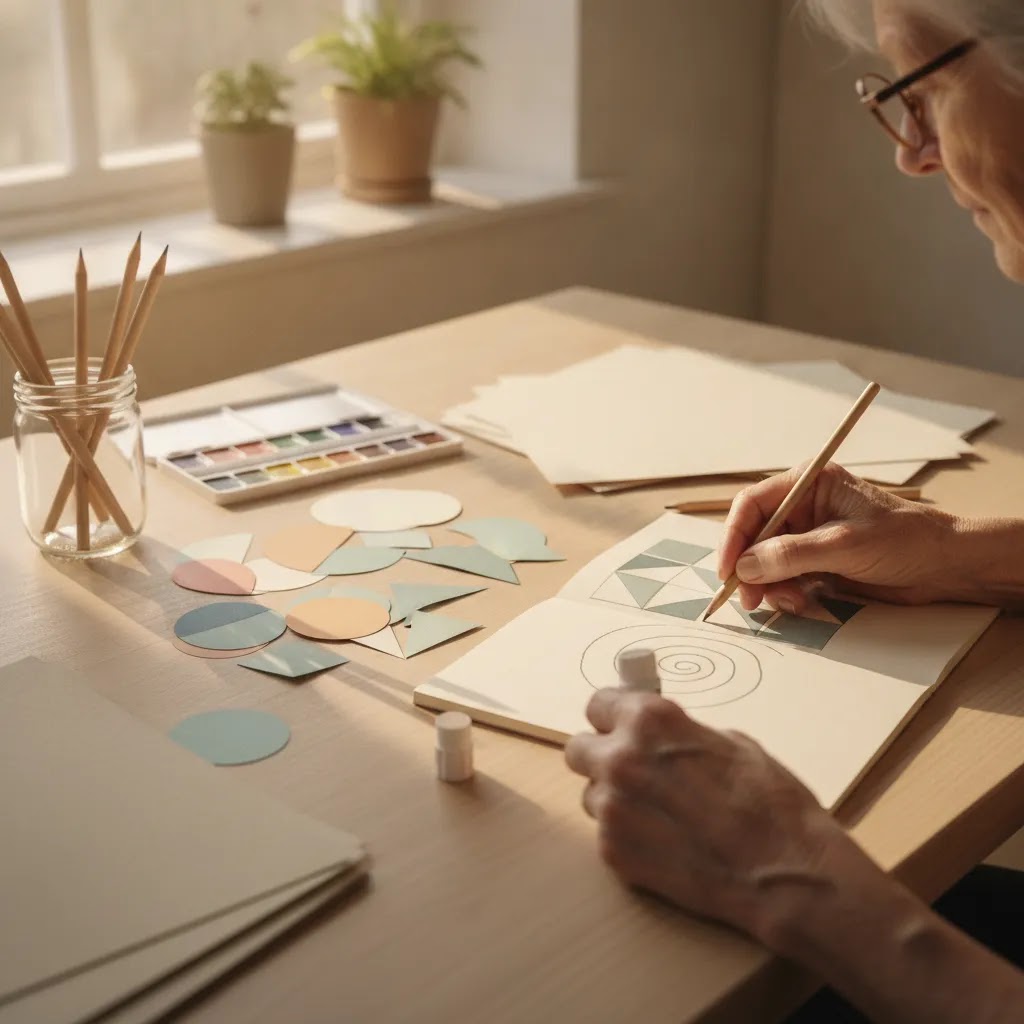
Images often stay with people differently than spoken explanations do. That matters in older age, where memory changes may affect names, timelines, or detailed verbal recall. Art therapy can create visual anchors: a color linked to a season of life, a symbol tied to family, or a page that captures a feeling from a particular day.
These anchors do not have to be complex. A few shapes, textures, or repeated themes may help a senior revisit a memory, tell a story, or notice patterns over time. In group settings, artwork can also spark conversation that would not start from a direct question alone.
This is one reason digital journaling with images may be appealing. Daily Lemons describes a private visual record that can be revisited later, which may help reflection feel more concrete. If you are also curious about age differences in creative support, the article on benefits of art therapy for children shows how developmental needs can shape the process very differently.
- Artwork may act as a cue for personal memories
- Symbolic expression can support storytelling
- Visual records may help people revisit themes over time
- Shared viewing can open gentle conversation
Art therapy benefits for seniors with dementia, grief, and chronic illness
People often search for art therapy benefits for seniors because they want support in a hard season, not because they want a new hobby. Three common contexts come up again and again: memory changes, including dementia, grief, and the emotional strain that can come with chronic illness.
In these situations, “benefit” usually means something modest but real. It may look like more engagement, a steadier sense of connection, or a way to express what cannot be easily said. It can also create moments of participation that feel like the person is still here with you. However, it should not be framed as a cure for dementia, a fix for grief, or a substitute for medical care.
Art therapy benefits for seniors with dementia and memory loss
For some seniors living with dementia or cognitive decline, art-making can offer a form of communication that relies less on perfect words. The activity can also support orientation through routine: same place, same time, familiar materials, gentle prompts. Even when short-term recall is limited, the sensory experience of color, texture, and rhythm can still be meaningful.
Reminiscence-based prompts are often used carefully here, especially in caregiving contexts. Familiar symbols, places, or objects may support conversation and emotional continuity, such as drawing a “kitchen table,” making a collage of favorite foods, or choosing colors that match a remembered season. The goal is not accuracy. The goal is connection.
For general information on dementia signs and support, the National Institute on Aging offers a clear overview.
Art therapy benefits for seniors during grief and life transitions
Grief in older age is sometimes layered. It may include loss of friends, partners, routines, roles, and health. Art therapy may help by giving mixed feelings a container when they do not fit neatly into sentences. Some people prefer direct prompts. Others need something more abstract, such as color fields, patterns, or a page that holds both “what I miss” and “what I still have.”
Chronic illness, pain, and ongoing treatment
Living with chronic illness can narrow a person’s world. Art therapy informed practices may support a sense of choice and agency inside that narrowing: choosing a prompt, choosing a color, choosing when to stop. In hospital or care settings, shorter sessions and low-effort materials often work best, so the process does not become physically taxing.
Clear boundaries: when art-based support is not enough
Art-based tools can be supportive, but they should not delay medical or licensed mental health care when it is needed. If an older adult shows sudden confusion, rapid cognitive decline, signs of stroke, major changes in behavior, or a steep drop in daily functioning, a medical evaluation matters. For memory concerns, a primary care clinician or specialist can guide dementia screening and next steps.
If grief becomes unbearable, or if distress includes suicidal thoughts, self-harm risk, or inability to stay safe, reach out to licensed clinical support and emergency resources right away. Art-making may still be part of care, but it should sit alongside appropriate evaluation, treatment, and safety planning. For crisis guidance and older adult mental health information, the National Institute of Mental Health is a reliable starting point.
3. Art therapy benefits for seniors may support social connection
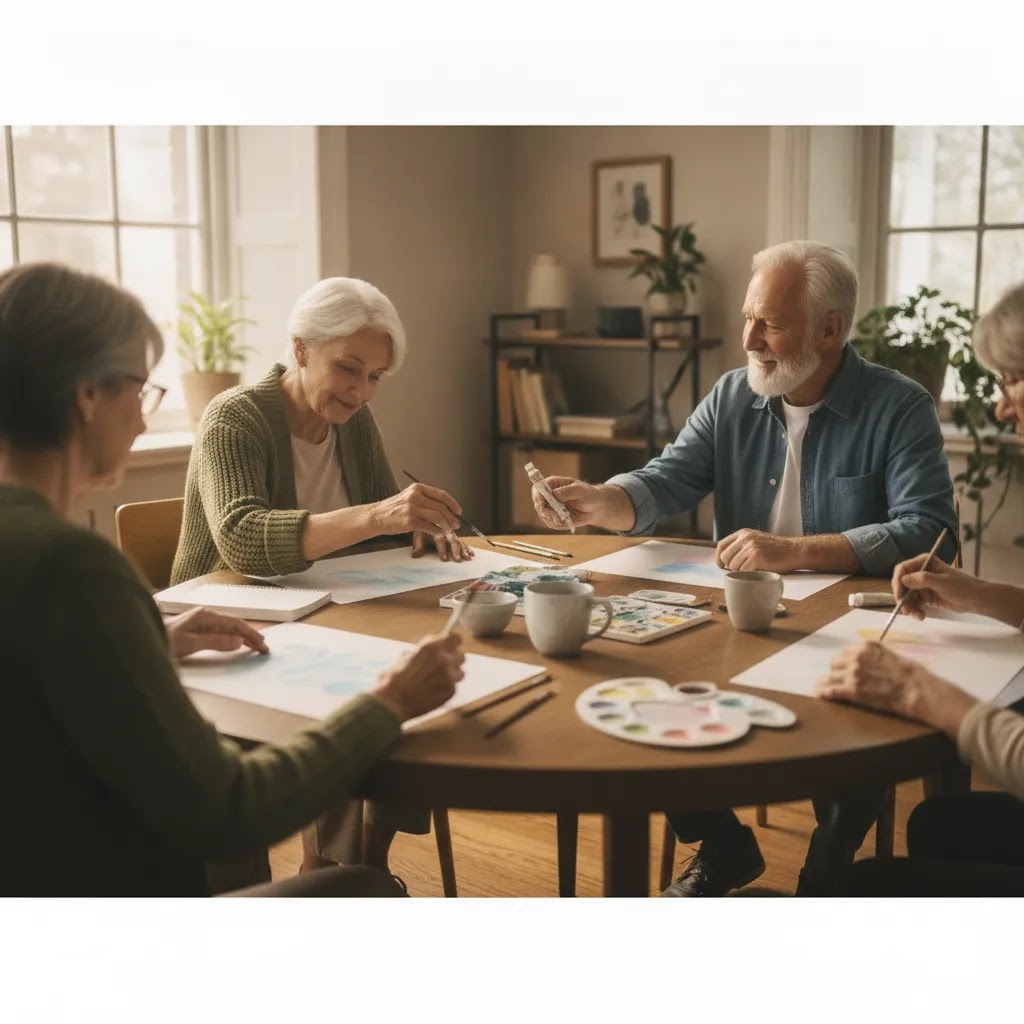
Loneliness is not only about being alone. It can also come from feeling unseen, under-stimulated, or unsure how to join in. Art therapy may help because it gives people something to do together, not just something to talk about. That shift matters. A table with paper, color, and simple prompts can create a softer social entry point than open-ended conversation.
For seniors in community centers, care homes, hospital settings, or family households, shared art-making may create moments of participation that feel natural rather than forced. People can observe, comment, copy ideas, laugh about color choices, or simply sit alongside each other while working.
The competitor guide in this article deserves credit for focusing explicitly on seniors, hospitalized patients, and people in quarantine. That makes it relevant where isolation is a major concern. Daily Lemons, though, may be a better fit for ongoing personal use because it is positioned as a repeatable practice instead of a static document.
- Can reduce pressure to maintain constant conversation
- May make group participation easier for quieter seniors
- Creates shared attention around a task
- Can support connection in homes, centers, or care settings
4. Art therapy benefits for seniors when words feel tiring
Some older adults want to share more than they can easily say. Fatigue, grief, hearing changes, language barriers, or cognitive strain can all make direct conversation harder. Art therapy may offer another route. A page, pattern, or image can carry meaning without asking for perfect wording.
This does not mean every drawing has a hidden message that needs decoding. In a careful setting, the image simply becomes a place to start. A person might point to what feels heavy, calm, distant, or unfinished. That can be enough.
Daily Lemons is built around a no-interpretation stance, which is a meaningful strength here. It keeps ownership of meaning with the user instead of forcing a fixed reading. If you are comparing formats, expressive arts therapy vs art therapy can help clarify how visual art work differs from broader creative modalities such as music, movement, or drama. You may also find expressive arts therapy helpful if you want a wider overview.
- May reduce pressure to explain feelings quickly
- Can support nonverbal or low-verbal expression
- Helps caregivers and family notice themes gently
- May feel more accessible during grief or overwhelm
5. Art therapy benefits for seniors may restore purpose
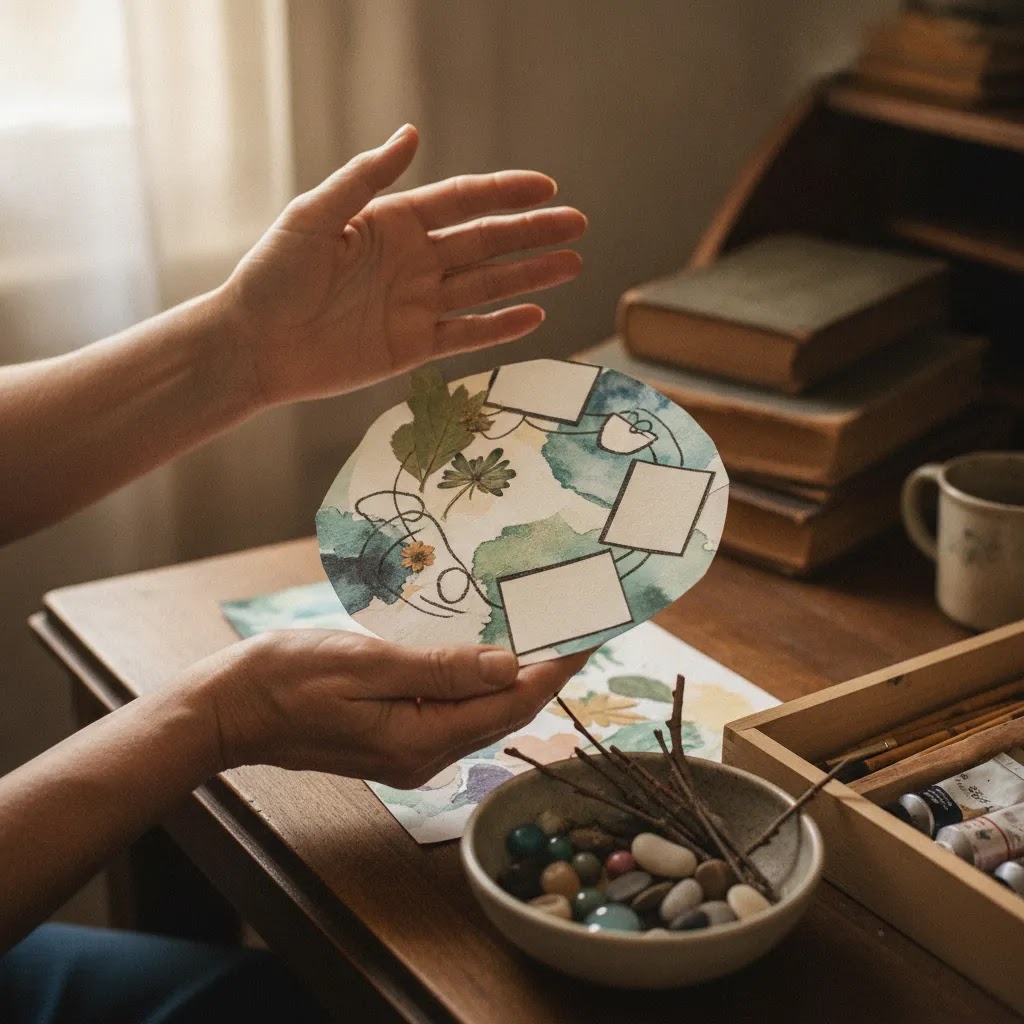
Creative activity can do more than fill time. For many seniors, it may restore a feeling of agency: I chose this, I made this, I stayed with this, I can return to it. That small sense of authorship matters, especially after retirement, illness, bereavement, or major routine changes.
Art therapy can also support participation without requiring high stamina. A short session may still feel meaningful. Over days or weeks, that kind of practice may help build rhythm and anticipation. As a result, it may support emotional steadiness and social engagement.
Structured visual forms can be especially approachable. Circular designs, for example, may feel easier to begin because the page already has a shape and boundary. If that interests you, mandala art therapy benefits offers a closer look at that style.
- May support confidence through manageable completion
- Can add rhythm to the day
- Offers a sense of choice and ownership
- May encourage re-engagement after periods of withdrawal
Pros and Cons
Strengths
- Art therapy may support both cognition and social life at the same time, which makes it especially relevant for seniors.
- It can offer a nonverbal path when conversation feels tiring or emotionally crowded.
- Short, structured creative tasks may be easier to begin than more abstract wellness practices.
- Group art-making can create connection without forcing constant social performance.
- Digital formats may extend access for homebound older adults or families at a distance.
Considerations
- Benefits vary widely depending on the person, setting, support level, and consistency of use.
- Some seniors may prefer in-person group work over digital tools, especially if technology feels frustrating.
- Art therapy may help with expression and engagement, but it is not the whole answer for severe distress or urgent safety concerns.
- Physical limitations such as vision changes, tremor, or pain may require adaptations in materials or device setup.
Practical adaptations for physical limitations and accessibility
Physical changes do not have to mean creative work is off the table. Small adjustments can reduce frustration and help a senior stay with the experience long enough for it to feel calming or meaningful. The goal is comfort and continuity, not pushing through pain.
Common barriers and simple workarounds
- Tremor or unsteady hands: Use thicker markers instead of fine pens, stabilize the paper with tape, and try larger motions on bigger surfaces. Repetitive patterns can feel easier than detailed drawing.
- Arthritis or grip pain: Choose chunky crayons, large-handled brushes, or add soft grip supports. Shorter sessions often work better than long stretches that increase strain.
- Low vision: High-contrast materials can help, such as dark markers on white paper, bold shapes, and larger pages. Good lighting matters more than “better instructions.”
- Hearing changes: In groups, face-to-face seating and a quieter room can reduce fatigue. For audio-guided digital sessions, check device volume, captions if available, and minimize background noise.
- Fatigue or limited stamina: Break the activity into small parts, such as two minutes of color, a pause, then two more minutes. Stopping early is still a complete session.
- Limited mobility: A stable seated setup can be enough. A lap desk, tray table, or wheelchair-accessible table may make the difference between “I can” and “I can’t.”
Home and care-setting setup that reduces friction
Many people quit not because the activity is wrong, but because the setup is irritating. A few care-friendly details can keep the experience gentle:
- Prioritize lighting and glare control, especially for glossy paper or screens.
- Set table height for relaxed shoulders and forearms supported on the surface.
- Keep supplies visible and simple, a small selection is often better than a large kit.
- Plan cleanup before starting, such as a tray for materials, wipes, and a clearly labeled place to store unfinished work.
- If using a device, consider accessibility settings such as larger text, higher contrast, and simplified navigation where possible.
Safety and comfort notes for materials
Older adults can have thinner skin, respiratory sensitivities, or balance risks, so materials matter. Non-toxic supplies and low-odor options are typically the safest starting place. If scissors, blades, or sharp tools are involved, consider pre-cut collage materials or tearable papers. Any pain, dizziness, or strain is a signal to pause, adjust, or switch to a lower-effort medium.
How to choose the right art therapy benefits for seniors support
If you are deciding what to try, start with fit rather than intensity. The best option is usually the one a person can comfortably return to.
First, look at energy and attention. Some seniors enjoy open-ended creativity. Others do better with short prompts and clear structure. If starting feels hard, a guided format may lower resistance.
Next, consider social setting. Is the goal private reflection, family connection, or group participation? A personal app may help someone who wants quiet, repeatable practice at home. A caregiver-oriented guide may work better in hospitals, centers, or organized support settings.
Then think about communication needs. For people who struggle to describe feelings, visual methods can be especially helpful. This is one area where art-based support may feel gentler than heavily verbal tools. Daily Lemons is designed around that lower-language entry point, and its broader resources in Art Therapy Fundamentals may help if you are still orienting yourself.
Another factor is accessibility. Vision, hearing, dexterity, and comfort with technology all matter. A beautiful concept is not useful if the person cannot easily engage with it. Check whether sessions are short, instructions are clear, and materials or screens feel manageable.
Finally, keep scope and safety in view. Art therapy-informed tools may support reflection, regulation, and connection. They do not replace medical care, dementia assessment, psychotherapy, or crisis support. If an older adult seems deeply withdrawn, confused, unsafe, or in acute distress, professional evaluation matters more than any app or guide.
If you want a softer digital starting point, Daily Lemons may be worth exploring because it focuses on brief, structured, nonverbal exercises rather than pressure-heavy self-analysis. You can also browse the Digital Art Therapy & Apps category to compare how app-based options differ from broader educational materials.
Frequently Asked Questions
What is art therapy benefits for seniors really asking?
Most people asking about art therapy benefits for seniors are trying to understand what older adults may gain from creative therapeutic practice beyond simple enjoyment. The strongest areas usually include attention, memory cues, emotional expression, social participation, and a sense of daily purpose. The exact benefit depends on the person, the format, and whether the activity is self-guided, group-based, or led by a qualified professional.
Can art therapy help seniors with loneliness?
It may. Art therapy can create a shared activity, which sometimes makes connection feel easier than direct conversation alone. In group settings, the artwork gives people a common focus. At home, a guided creative routine may also reduce some of the emptiness of unstructured time. Still, it usually works best as one part of broader social support rather than the only answer.
Does someone need to be artistic to benefit?
No. In many cases, art therapy works best when there is no pressure to make something impressive. The value often comes from choosing, noticing, repeating, and expressing, not from technical skill. Seniors who say they are “not creative” may still respond well if the activity is simple, structured, and low-pressure.
How to art therapy benefits for seniors in everyday life?
A practical way to approach art therapy benefits for seniors in everyday life is through routine. Short, repeatable sessions may support attention, communication, and emotional steadiness more than occasional long sessions that feel tiring. Many older adults do well with guided drawing, color-based prompts, collage, or simple pattern work. The most helpful format is usually the one that feels manageable enough to revisit.
Is digital art therapy realistic for older adults?
Sometimes, yes. It depends on comfort with screens, visual clarity, and hand mobility. For homebound seniors or families supporting someone from a distance, a digital option may be more accessible than travel-based services. The experience usually works best when navigation is simple, the session is short, and there is no pressure to “use technology correctly.”
What is the difference between art therapy and ordinary crafts?
Crafts can be enjoyable and socially valuable, but art therapy adds intentional emotional or reflective structure. The aim is not only to make an object. It may include guided prompts, attention to inner experience, and gentle reflection afterward. That said, there can be overlap, and some seniors may benefit from both depending on mood, ability, and setting.
Can art therapy support cognition?
It may support parts of cognition such as attention, sequencing, visual engagement, and recall through imagery. This should be framed carefully. Art therapy is not a cure for memory decline or neurological conditions. Still, it can offer mentally active, meaningful engagement that may feel more human and less test-like than traditional exercises.
What does an art therapist do, and what qualifications should they have?
An art therapist typically guides the creative process in a way that supports emotional expression, reflection, and safety. Sessions often include a prompt, support choosing materials that fit ability and comfort, and gentle discussion afterward that keeps meaning with the older adult rather than forcing interpretation.
Qualifications vary by location, so check what is recognized where you live. In many places, art therapists complete specialized graduate-level training and supervised clinical hours, and may hold professional credentials or licensure depending on local rules. If you are vetting someone, it is reasonable to ask about their training, experience with older adults, and how they handle cognitive impairment, grief, or medical complexity.
Is art therapy good for seniors with dementia or Alzheimer’s?
It may be supportive for some seniors, especially as a way to encourage engagement, reduce social pressure, and create a nonverbal channel for expression. In dementia contexts, benefit often looks like participation, comfort, and connection rather than improved memory.
Because dementia can involve medical and safety considerations, art-based support should not replace evaluation and care planning with appropriate clinicians. If symptoms are new or rapidly changing, medical assessment is the priority.
What are simple art therapy activities for seniors in nursing homes or assisted living?
Simple usually works best: clear prompts, familiar themes, and materials that are easy to hold and easy to clean up. Examples that are often manageable in care settings include collage with pre-cut images, coloring or pattern-making on larger paper, seasonal color pages, or “memory symbol” prompts like drawing a favorite place, a comforting object, or a meal that feels like home.
In group settings, it can help to offer one prompt with optional variations so residents can participate without feeling corrected. Short sessions are often more sustainable than long ones.
How do I facilitate art activities for older adults if I am a caregiver and not a therapist?
Start by focusing on comfort, choice, and low pressure. Offer two or three materials, a simple prompt, and permission to stop at any time. You do not need to interpret the artwork. If the person wants to talk, gentle questions like “What do you notice?” or “What part feels most like you today?” can be enough.
If distress escalates, confusion suddenly worsens, or safety becomes a concern, pause the activity and reach out to appropriate professional support. A caregiver-led activity can be meaningful, but it should not carry the weight of crisis care or medical decision-making.
When should a family seek more than an art-based wellness tool?
If an older adult shows sudden confusion, major functional decline, signs of self-harm risk, severe withdrawal, or distress that feels hard to contain, professional help is the next step. Art-based tools may complement support, but they are not enough for urgent or complex situations. A licensed clinician or relevant medical professional should guide care when safety or major impairment is involved.
How this article was evaluated
This ranking focused on one narrow question: which art therapy benefits matter most for seniors when cognition and social life are the priority. The criteria favored practical relevance over hype. That means attention support, memory cues, communication ease, shared participation, and sense of purpose ranked higher than broad claims about creativity in general.
The product comparison considered format, intended use, and how well each option may fit older adults in real life. Daily Lemons was evaluated as a therapist-designed digital app for guided, repeatable support. The comparison guide was evaluated as a downloadable resource aimed at seniors and people in isolation. Because these are different formats, the goal was not to force a winner in every context, but to show where each may fit best.
Quick recap
If you want the shortest version, these are the five benefits that tend to matter most.
| Rank | Benefit | Best for | Why it matters |
|---|---|---|---|
| 1 | Better attention through structured creative focus | Seniors who find long verbal tasks tiring | Supports engagement without heavy pressure |
| 2 | Stronger memory cues through images and symbols | Older adults who respond well to visual prompts | Helps anchor stories, themes, and reflection |
| 3 | More social connection through shared making | People facing isolation or reduced participation | Creates a softer way to connect with others |
| 4 | Gentler communication when words feel tiring | Seniors navigating grief, fatigue, or cognitive strain | Offers another path into expression |
| 5 | Greater sense of purpose and participation | Older adults adjusting to major life changes | Can restore rhythm, choice, and authorship |
Key Takeaways
- Art therapy benefits for seniors often extend beyond emotional expression into attention, memory, and social participation.
- Visual, structured activities may feel more accessible than word-heavy wellness tools.
- Shared art-making can support connection without forcing constant conversation.
- Digital and guide-based options serve different needs, so choosing by context matters.
- Art-based support may help, but it should not replace professional care when distress is severe or safety is a concern.
Conclusion
The most useful way to view art therapy for seniors is not as a hobby with lofty claims, but as a practical support that may help older adults stay engaged, expressive, and connected. The five benefits in this article rise to the top because they touch everyday life: paying attention, recalling meaning, joining in, communicating gently, and feeling part of something again.
If you are exploring next steps, Daily Lemons may offer a calm digital place to begin, especially for short, nonverbal practice at home. If your needs are broader, keep comparing formats carefully and choose the one that feels usable, not just impressive on paper.
Consider this a friendly heads-up rather than professional advice, nothing here is meant to replace medical, psychological, or legal counsel. Art and other creative outlets can be soothing, offering a quiet path toward calm, reflection, and connection, but they work alongside professional care, not in place of it. What helps one person may not help another, since so much depends on personal health, life circumstances, and the support system around them. If an older loved one suddenly seems disoriented, overwhelmed, or unable to keep up with everyday routines, don't hesitate: contact a licensed clinician, emergency services, or a crisis line without delay. And should you look into formal art therapy, take time first to verify the provider's credentials and understand the rules that govern practice where you live.